
Last updated November 25, 2026
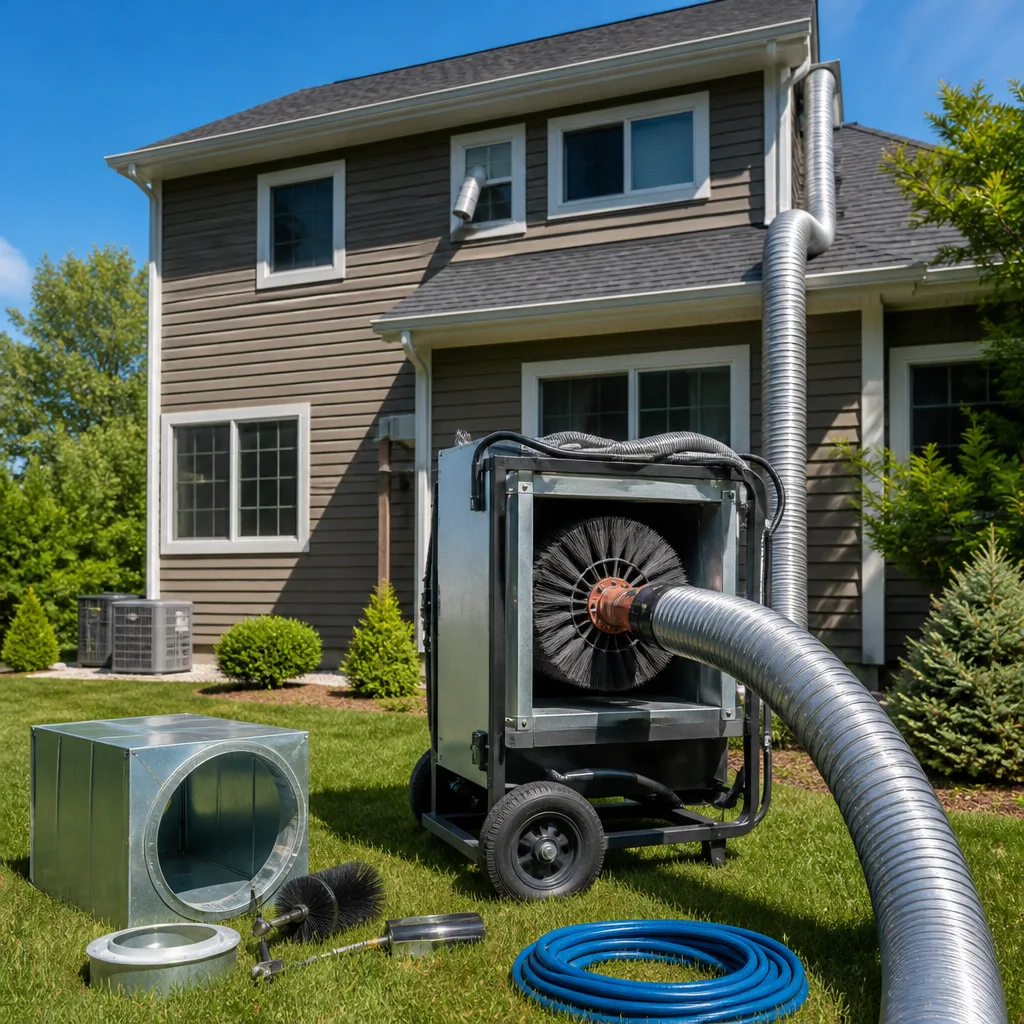 Whole-home duct cleaning
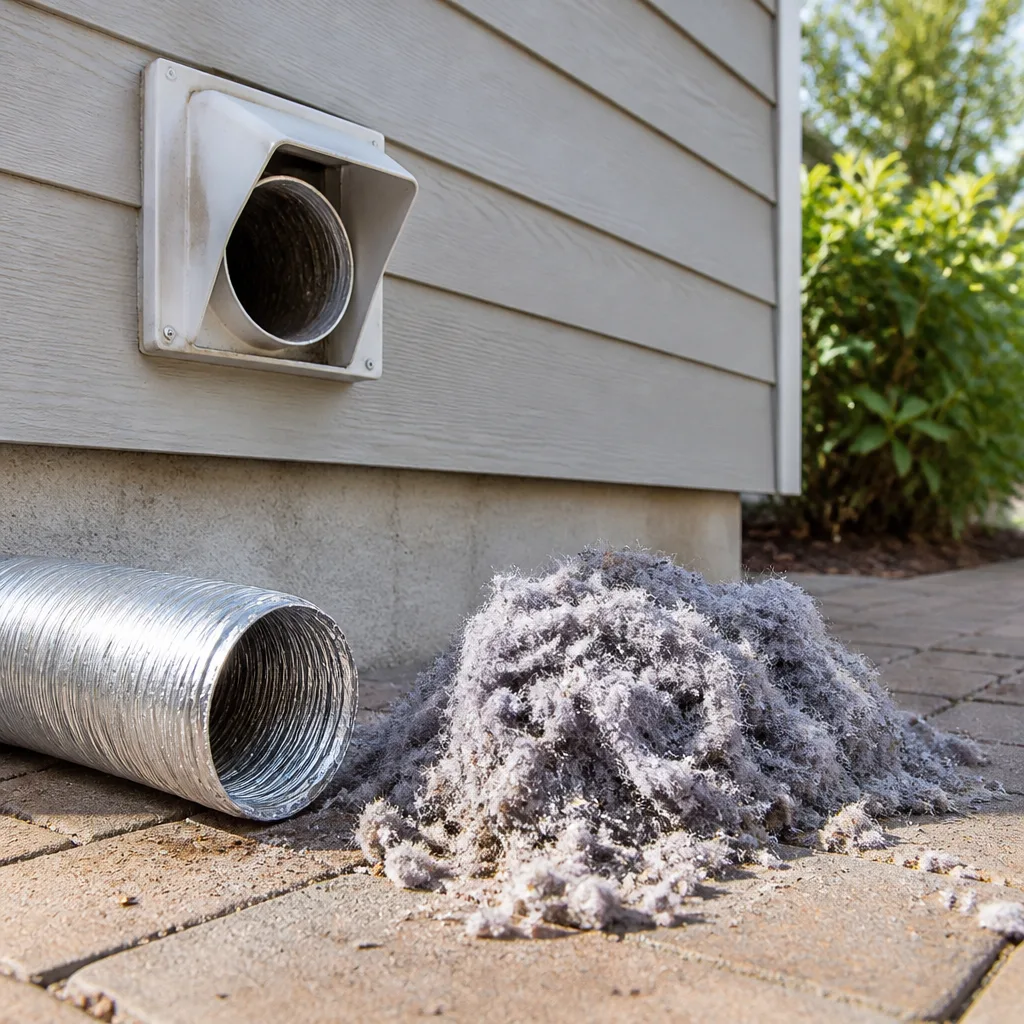 Dryer vent cleaning
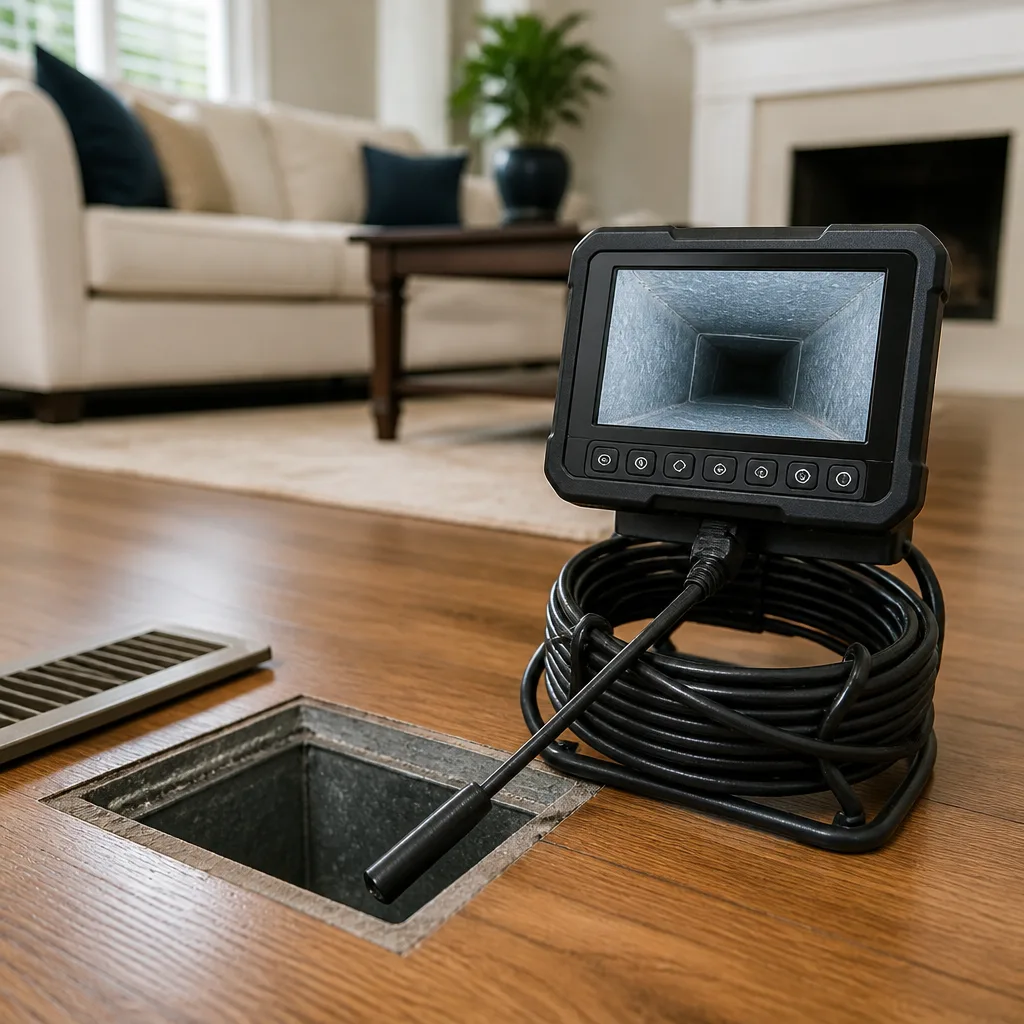 Camera inspection
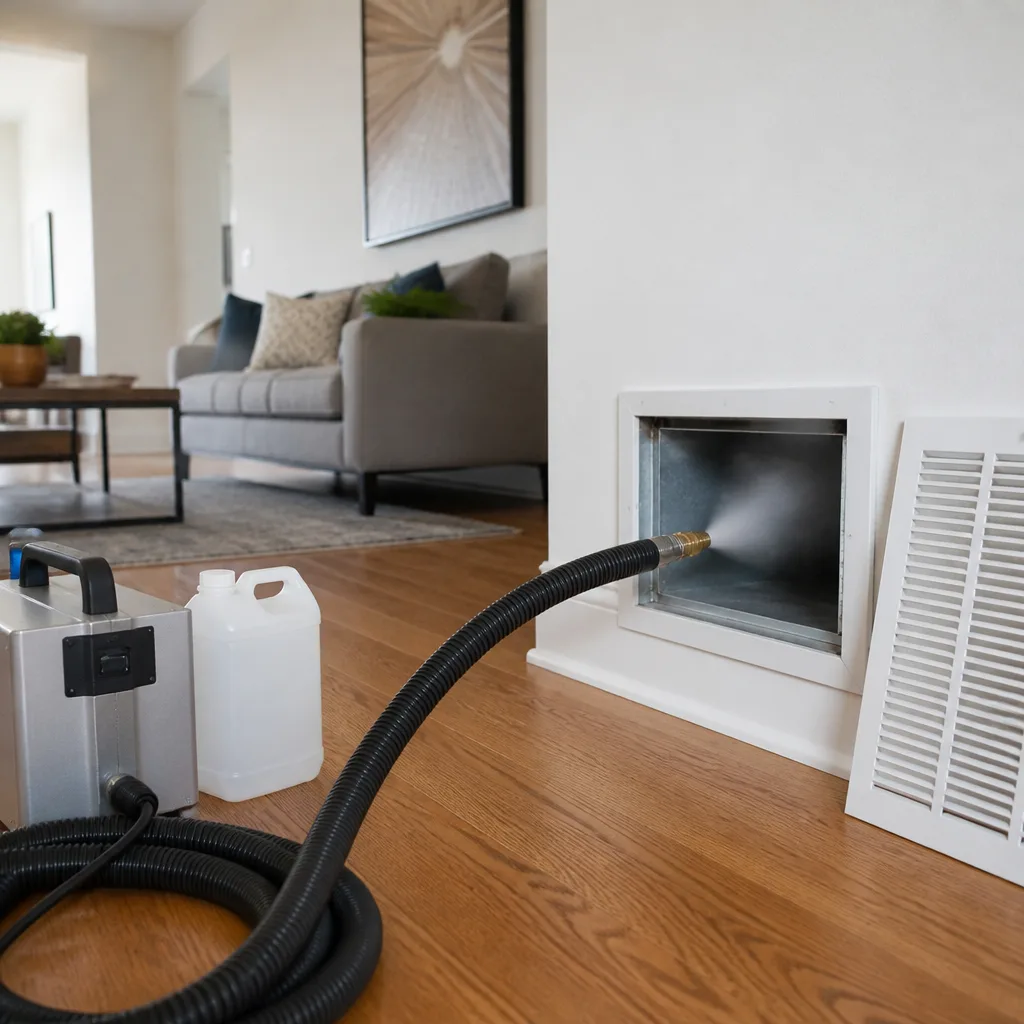 Sanitizing & deodorizing
Whole-system duct and dryer vent check with before-and-after photos - you see exactly what came out of your vents
That "$99 whole-house special" is a bait ad - the real number appears once they are in your hallway, or the "clean" is a shop-vac at the register. We photograph the inside of your ducts before and after instead.
Air Duct Cleaning Permits, Codes & Inspections in Washington Square, CA: What You Need to Know
Most homeowners assume the truck in the driveway settles the question of who’s allowed to do what. It doesn’t. In California, cleaning the inside of a duct system is not a licensed trade – but the instant a technician cuts out a crushed section of flex run, reconnects a boot to a register, or reseals a leaking trunk line, that person is doing mechanical work that falls under contractor licensing law. It’s a line few people in Washington Square know exists, and it’s the thing most likely to complicate a sale, a disclosure, or a permit record later. This guide walks through where the line sits, what triggers a permit, what to ask before anyone touches a duct, and how inspections actually work here.
Quick Answer
In California, routine air duct cleaning does not require a permit and does not require a contractor license. But repair, modification, replacement, or new duct installation is mechanical work that requires a licensed C-20 HVAC contractor (or C-38 refrigeration contractor) and typically a local mechanical permit with inspection. If your cleaner finds disconnected or damaged ductwork and offers to “fix it while we’re here,” that’s the moment to ask for a license number and a permit.
Styles & brands we work with
- Whole-home duct cleaning
- Dryer vent cleaning
- Camera inspection
- Sanitizing & deodorizing
Table of Contents
- Where California Draws the Line Between Cleaning and Contracting
- What Title 24 Says About Duct Sealing and Permits
- When Duct Repair Crosses Into Permitted Work
- How Unpermitted Duct Work Surfaces in a Washington Square Sale
- AQMD Rules and Pre-1980 Homes in Washington Square
- What to Ask Before Any Duct Repair Begins
- How a Duct Inspection Actually Goes
- Common Mistakes to Avoid
- When to Call a Professional
- Frequently Asked Questions
Where California Draws the Line Between Cleaning and Contracting
The Contractors State License Board (CSLB) regulates who can perform work that requires a building permit or that involves construction trades. Cleaning a duct system isn’t construction – it’s maintenance. There’s no “duct cleaning license” in California because the state doesn’t treat it as a licensed classification. That’s why a general handyman with a shop vacuum can legally offer a cleaning service.
The line moves the second the work changes the system. Specifically, these tasks count as contracting work under California law and require a licensed contractor:
- Cutting out and replacing a section of rigid or flex duct
- Reconnecting a boot to a register or floor can
- Sealing joints on the trunk line or plenum with mastic or tape as a permanent repair
- Adding, removing, or rerouting a run
- Replacing a plenum connector at the air handler
- Any work that requires opening a wall, ceiling, or floor cavity
The license class matters too. C-20 is warm-air heating, ventilation, and air-conditioning. C-38 is refrigeration. A general B license can sometimes pull mechanical permits, but for duct work specifically, C-20 is the correct classification. If the person quoting your repair can’t tell you which one they hold, that’s your answer.
The clean-and-sanitize portion of the visit, using something like a Rotobrush rotary-brush system to mechanically agitate debris and a Nikro negative-pressure unit to contain it, stays on the maintenance side of the line. Repair work moves to the contracting side.
What Title 24 Says About Duct Sealing and Permits
Title 24, Part 6 is California’s Building Energy Efficiency Standards. It governs duct insulation values, duct sealing requirements, and how duct systems must be tested and documented when they’re altered. For a homeowner, the practical takeaway is this: duct work isn’t treated as a casual repair in California. It’s treated as an energy system with measurable performance.
When Title 24 duct sealing requirements apply:
- New construction. All duct systems must meet sealing and insulation requirements and be verified by a HERS rater.
- Alterations to existing systems. Replacing more than a small portion of duct work – typically defined by length thresholds in the code – pulls the alteration into the standards, which can require duct leakage testing.
- Additions and major remodels. Duct extensions to serve new conditioned space fall under the standards.
- HVAC changeouts. Replacing an air handler or furnace often triggers duct sealing requirements on the connecting plenum and accessible duct runs.
Simple maintenance – cleaning, sanitizing, minor re-taping of a joint – does not trigger Title 24. That’s the gap most homeowners in Washington Square fall into without realizing it. A cleaner who “fixes” a few disconnected sections with mastic and calls it done has performed alteration work that may have required a permit and, in some cases, HERS verification.
We’ve seen this come up most often after a renovation. A general contractor opens a ceiling, duct work gets shifted, and someone seals it back up with tape. Whether that triggered a mechanical permit depends on scope, but nobody in the chain checked. If you’re planning work that touches the system, it’s worth a quick read of our guide on air duct cleaning first, because clean-and-inspect work often reveals exactly these improvised repairs.
When Duct Repair Crosses Into Permitted Work
Here’s where the practical answer matters most. Cleaning is not permitted work. Repair usually is. The difference hangs on three variables: what’s being changed, how much of it, and whether the change affects the system’s rated performance.
Repairs that almost always require a permit:
- Removing and replacing a section of trunk line
- Replacing or reconfiguring more than a short length of branch duct
- Adding a new supply or return run
- Opening a wall, ceiling, or floor to access duct work
- Any repair made in conjunction with an equipment changeout
Repairs that typically do not require a permit:
- Resealing an accessible joint with approved mastic or UL-listed tape
- Tightening or re-hanging a duct support
- Cleaning and sanitizing the interior of the system
- Replacing a register grille or diffuser (cosmetic, not mechanical)
- Sealing an accessible plenum connection at the air handler
The tricky ones are in between. A disconnected flex run tucked above a soffit might be resealed without a permit – or it might require opening the drywall, which shifts it into permitted territory. Local building departments in the Bay Area read the code differently depending on the jurisdiction and the inspector. There’s no single statewide answer for the gray zone. The safe move is to have the contractor confirm with the local building department before work starts, in writing.
One more thing to understand: the permit-pulling obligation belongs to the licensed contractor, not the homeowner. If your technician hands you a permit application and tells you to file it, that’s a red flag. Licensed contractors pull their own permits.
How Unpermitted Duct Work Surfaces in a Washington Square Sale
Washington Square is a neighborhood where a lot of homes change hands, and California’s transfer disclosure requirements are stricter than most states. Sellers must disclose known material defects and any work done without required permits. That makes duct repairs a real estate issue, not just an HVAC one.
Where unpermitted duct work typically surfaces during a sale:
- Home inspection. A general inspector will note visible duct damage, disconnected flex, improper tape (like old cloth duct tape), and any evidence of unpermitted wall openings.
- HVAC specialist inspection. If the buyer orders a specialized inspection, the technician will document duct leakage, insulation condition, and any non-standard modifications.
- Permit history search. Buyers and their agents routinely pull permit records from the city. Any HVAC work less than a certain age that isn’t on record raises questions.
- Title and disclosure review. The seller’s Transfer Disclosure Statement must note unpermitted work the seller is aware of. Omission can create liability after closing.
- Appraisal and lender review. FHA and VA appraisals flag health-and-safety items, and duct work in poor condition can delay or affect the loan.
In our experience, the seller usually didn’t know. They hired someone years ago, the person “fixed” a disconnected run, and nobody mentioned permits because nobody realized a permit was needed. That’s the honest answer: the problem isn’t that people in Washington Square are cutting corners. It’s that the line between maintenance and construction isn’t obvious, and nobody tells them where it is.
If you’re preparing to list a home and unsure whether past duct work has a permit trail, the fix is straightforward. Call the local building department with the address and ask for the permit history. Then have a licensed contractor assess the duct system and document its current condition. A clean, well-documented system tells a much better story than a missing record.
AQMD Rules and Pre-1980 Homes in Washington Square
Older homes – and Washington Square has plenty of them – may contain asbestos-containing building materials. Duct systems from that era sometimes used asbestos-containing tape, insulation wrap, or duct board. Disturbing those materials during cleaning or repair is a regulated activity, and the Bay Area Air Quality Management District (BAAQMD) has rules governing how it’s handled.
Key points for homeowners:
- Asbestos is presumed present in many materials in pre-1980 buildings unless testing proves otherwise. That presumption is written into Cal/OSHA and AQMD rules.
- Friable asbestos – material that crumbles when touched – must be handled by a certified abatement contractor under a separate scope of work, not by a duct cleaning company.
- Notification requirements apply when regulated asbestos work exceeds certain thresholds. Your contractor should know these.
- AQMD regulations also restrict visible emissions during building demolition and renovation, which is why containment and negative-pressure equipment matter.
This is where the equipment matters. Purpose-built negative-pressure units from a manufacturer like Abatement Technologies are designed to contain debris and particulate during cleaning, which is exactly what you want when a system might contain asbestos fibers or post-renovation dust. Repurposed shop vacuums do not contain particulate the same way. That distinction matters more in a pre-1980 Washington Square home than most people realize.
If a home was built before 1980 and has never been tested for asbestos in the duct system, the responsible move is to have a sample tested before cleaning begins. That’s a small cost compared to the alternative. If the material comes back positive, the cleaning stops and the abatement contractor takes over.
What to Ask Before Any Duct Repair Begins
Five questions, and don’t skip any. The answers will tell you whether the person holding the clipboard is allowed to do what they just proposed.
- “What’s your CSLB license number, and what class is it?” C-20 for HVAC work, C-38 for refrigeration. Verify the number at the CSLB website before work starts – it takes 30 seconds and the state keeps the record public.
- “Will this repair require a permit, and who’s pulling it?” The licensed contractor pulls the permit. If they say you can file it yourself, the answer is no.
- “Is the inspection included in this price?” A permit isn’t just a piece of paper – it schedules a building inspection. That coordination should be part of the contracted scope, not your project.
- “Will the work trigger Title 24 duct leakage testing?” If the scope changes enough duct length, it might. A confident contractor knows the threshold and can explain whether HERS verification is required.
- “What happens if the inspection fails?” A real answer here tells you whether they’ve been through the process. Contractors who do permitted work regularly will explain how they handle corrections.
For work that stays on the cleaning side, the questions change but don’t disappear. Ask what equipment is being used, whether the system will be photographed before and after, and whether sanitizing products are applied after cleaning. A HVAC cleaning visit that’s done correctly should leave you with documentation of what the system looked like at the start.
One more: ask whether the contractor carries general liability insurance. California requires licensed contractors to be bonded and to carry workers’ compensation for employees, but general liability is separate. It matters if something damages during the visit.
How a Duct Inspection Actually Goes
Whether the trigger is a permit, a home sale, or a post-renovation concern, a duct inspection follows a similar arc. Here’s what to expect.
- Scheduling and scope. The inspector reviews the permit scope or the buyer’s inspection request, then schedules the visit. In Washington Square, permit inspections are coordinated with the city’s building department.
- Visual verification of the work. The inspector confirms that what’s installed matches what was permitted – materials, routing, and connections.
- Access checks. Duct work that’s behind drywall needs to have been made accessible before the inspection. If the contractor closed up the wall without the inspector signing off, that’s a problem the contractor has to solve.
- Duct leakage testing. For scopes that trigger Title 24, a HERS rater performs the test. The rater is a separate third party, not the installing contractor, and is registered with the state.
- Sign-off or correction. If everything passes, the permit is signed off and the record closes. If not, the contractor corrects the issues and a reinspection is scheduled.
For a real estate transaction, the inspection flow is different. A buyer’s inspector creates a written report with photographs, notes system condition, and flags anything that suggests unpermitted work. That report becomes part of the negotiation. Sellers who’ve called for a pre-listing inspection on their own terms usually have a smoother process.
Common Mistakes to Avoid
- Accepting “we’ll fix that while we’re here” from a cleaner without a license. Repairs require a C-20 or C-38 license. A cleaning company that offers to reseal disconnected duct work without one is performing unlicensed contracting, no matter how small the repair looks.
- Skipping the CSLB check. Verifying a license number takes half a minute on the state website. People skip it because the contractor seems trustworthy, and the CSLB publishes the record for a reason.
- Letting a contractor tell you to pull your own permit. Licensed contractors pull their own permits in California. If you’re handed a permit application, walk.
- Assuming cleaning work needs a permit. It doesn’t, and a cleaner who says it does is either confused or padding the bill. Cleaning is maintenance under California law.
- Not testing for asbestos before cleaning a pre-1980 system. Washington Square has a lot of older housing stock. Asbestos-containing tape and insulation wrap were standard in that era, and disturbing them during cleaning is regulated work.
- Sealing duct work yourself to “tighten up” the system before a Title 24 inspection. DIY sealing before a HERS test can create a situation where the inspector can’t determine baseline leakage, and the system has to be retested anyway.
- Assuming a home sale will surface past work before it’s a problem. Permit history searches happen before closing, not after. If the seller hasn’t checked, the buyer will.
When to Call a Professional
Call a professional before any duct repair that involves cutting, replacing, or reconnecting components. Call before cleaning a pre-1980 duct system without asbestos testing on record. Call if a home inspection flagged duct work and you need a condition assessment for a sale. Call if a cleaner told you a “loose joint” needs fixing and you don’t want to find out later that the work was unpermitted. And call if a permit inspection is scheduled and you need the system clean and documented before it happens – removing debris before an inspector visits is good practice, and a dryer vent cleaning alongside it is a valuable safety check on its own.
Air Duct Cleaning Washington Square offers free estimates in Washington Square – call (877) 792-6053 to talk through the scope. Our technicians have up to 8 years of experience, and we work with professional equipment from manufacturers like Rotobrush, Nikro, and Abatement Technologies. We answer 24/7 and offer fast dispatch from 7am to 7pm, Sunday through Friday.
Frequently Asked Questions
No. Routine air duct cleaning is maintenance work in California and does not require a permit or a contractor license. A permit is only triggered when the scope changes into repair, modification, or replacement of duct components, which is licensed mechanical work.
Yes. Any duct repair that replaces, modifies, or reconnects duct components requires a licensed C-20 HVAC contractor or C-38 refrigeration contractor. A cleaning company without one of those licenses cannot legally perform the repair, even if they’re already on site. Call (877) 792-6053 for an estimate on cleaning or assessment work.
C-20, which covers warm-air heating, ventilation, and air-conditioning, is the standard class for duct installation and repair. C-38 covers refrigeration systems. A general B license can sometimes pull mechanical permits, but for duct work specifically, C-20 is the correct classification.
Title 24 Part 6 is California’s Building Energy Efficiency Standards, and it governs duct insulation, sealing, and testing requirements. It applies to new construction, significant alterations to existing duct systems, additions, and often HVAC changeouts. Simple maintenance and cleaning do not trigger it.
Yes. California requires sellers to disclose known unpermitted work on the Transfer Disclosure Statement. A permit history search or home inspection will typically surface duct repairs that lack a permit trail, which can affect the buyer’s offer or the loan. If you’re unsure about past work, request the permit history from the city before listing.
Pre-1980 homes in Washington Square may contain asbestos in duct tape, insulation wrap, or duct board. Have the material tested before any cleaning begins. If asbestos is present, an abatement contractor handles removal before duct cleaning can proceed. Call (877) 792-6053 to talk through scope before scheduling.
See the difference
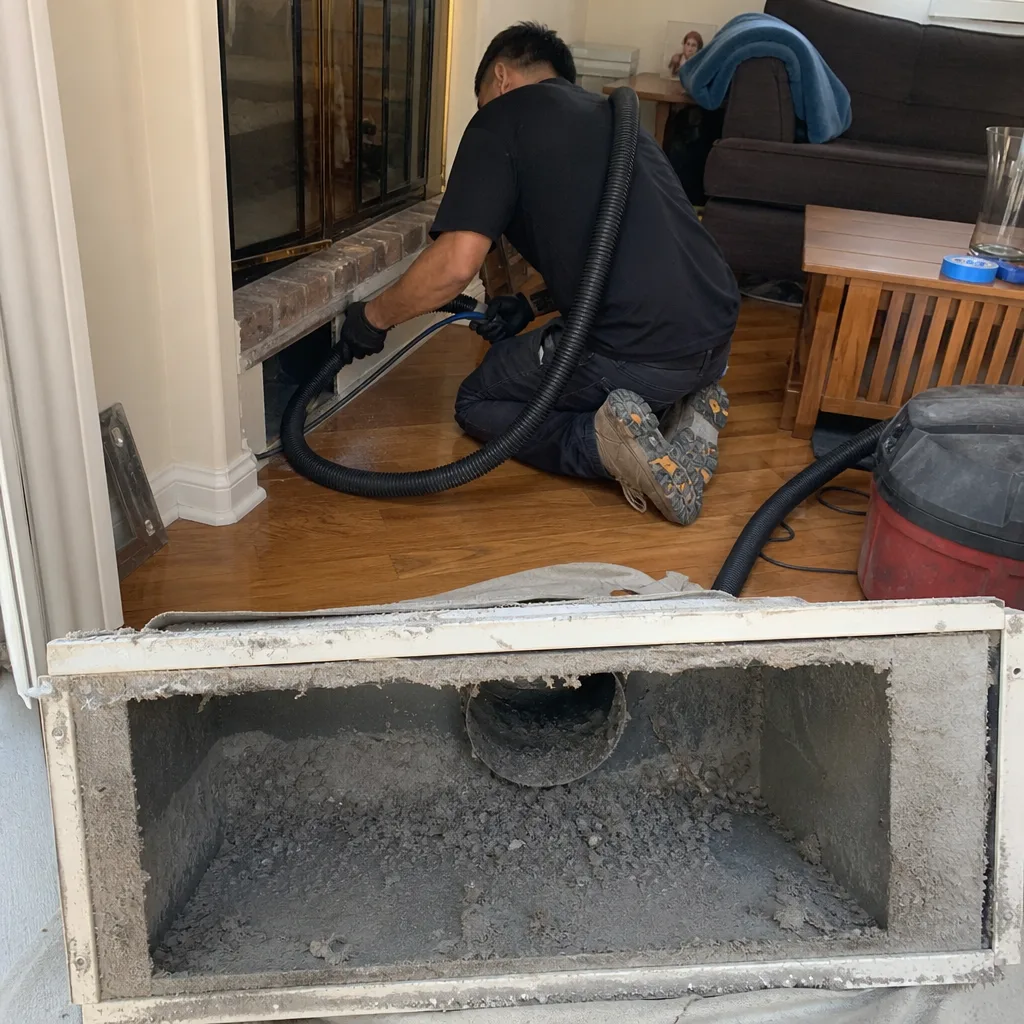 Before
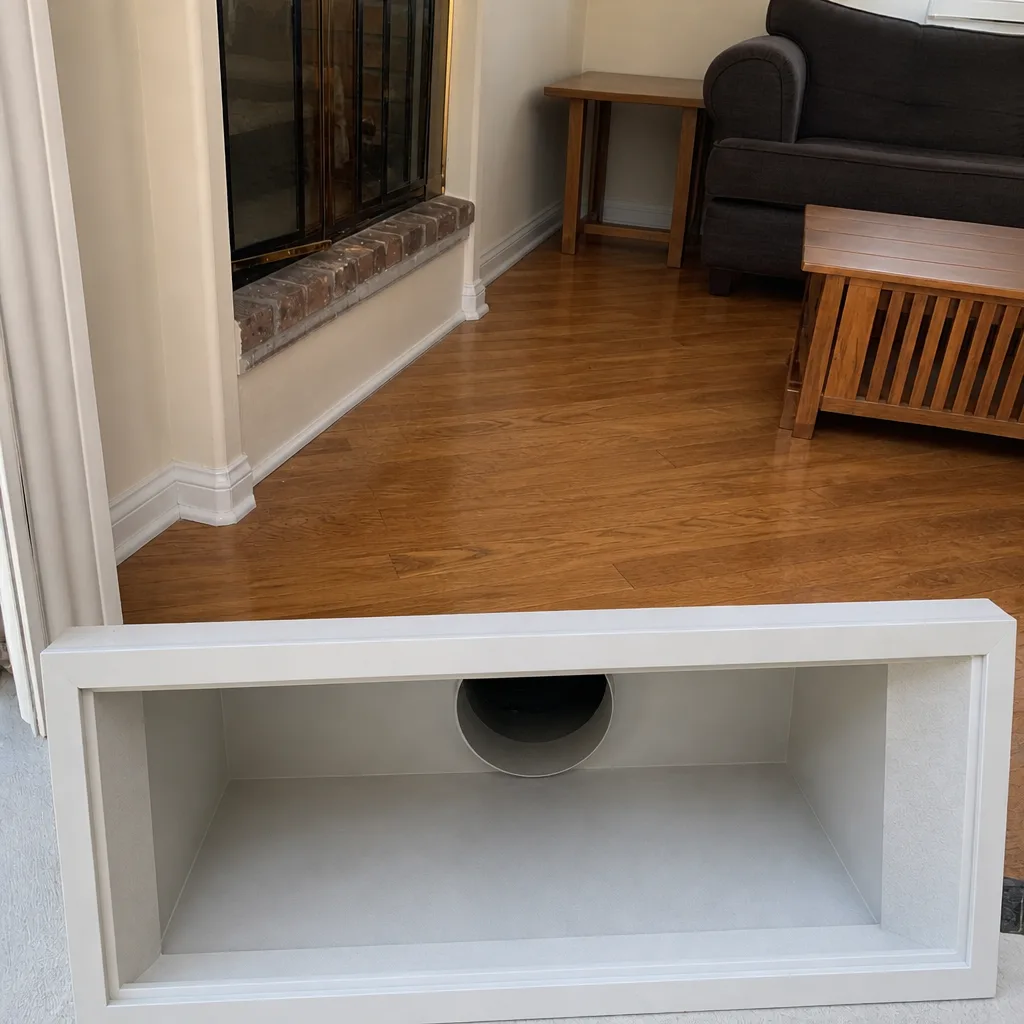 After
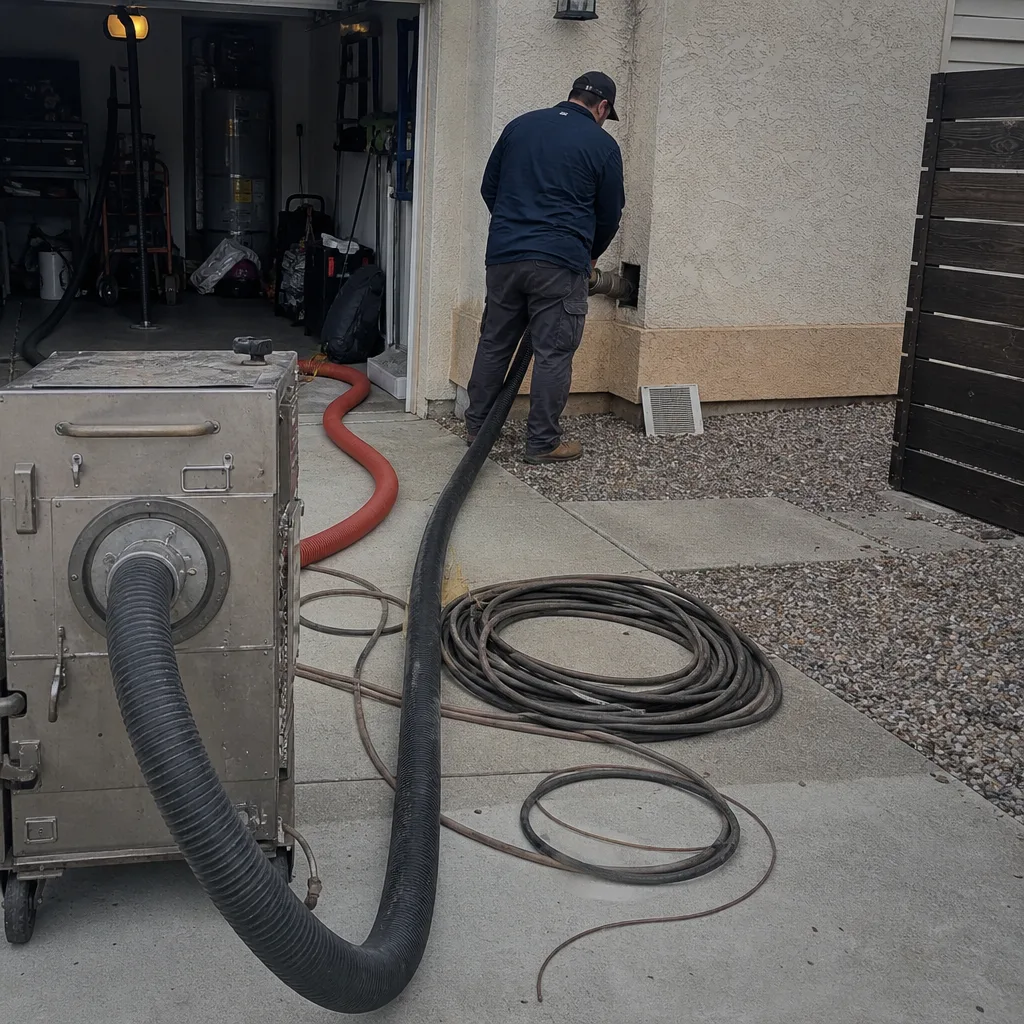 Before
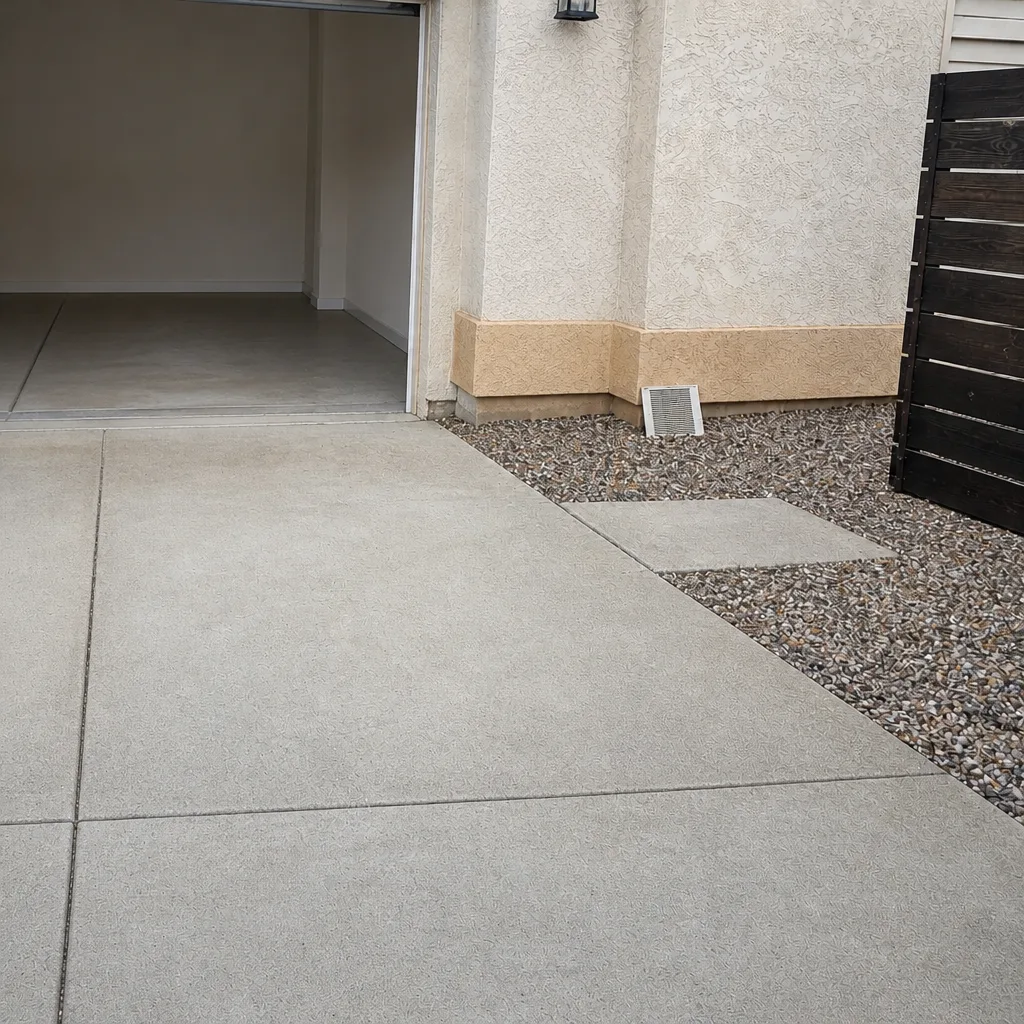 After
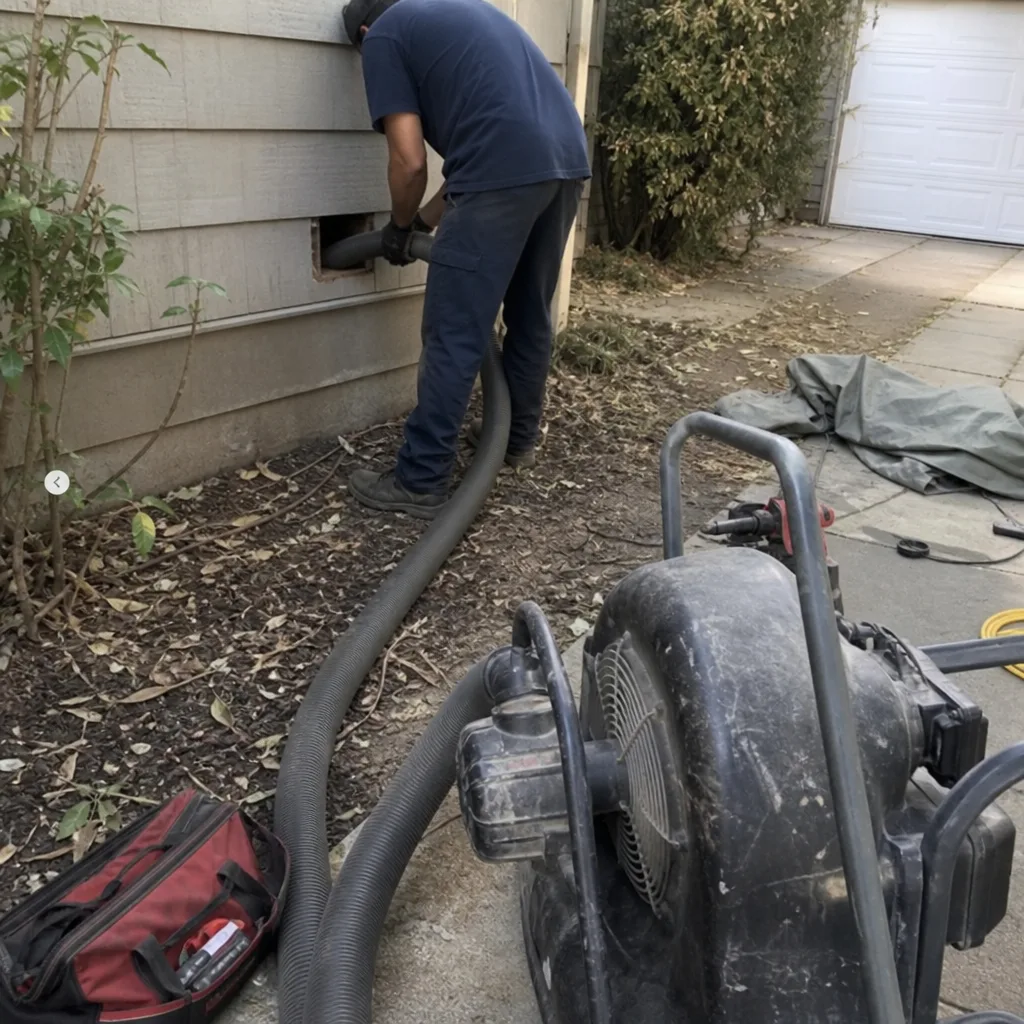 Before
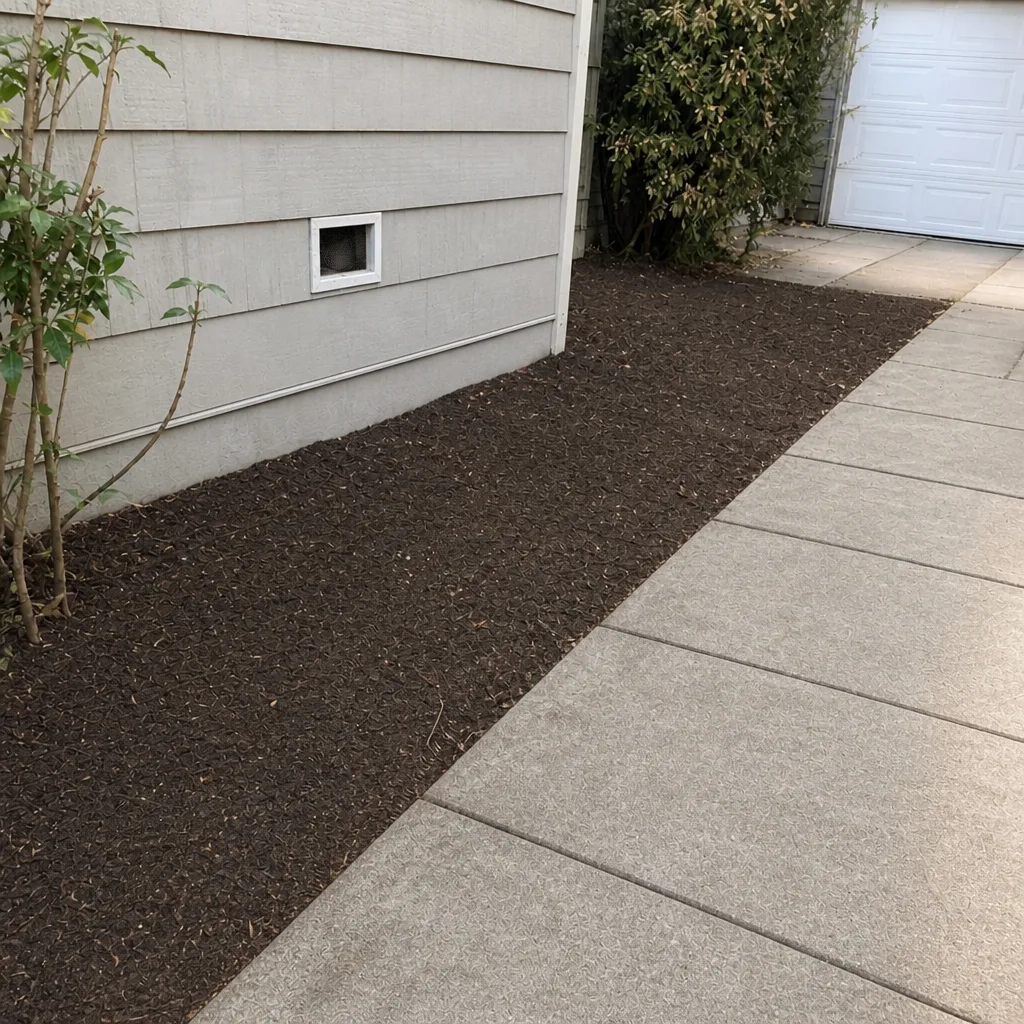 After
The Bottom Line
The rule is simple once you see it. Cleaning the inside of a duct system is maintenance and needs no permit. Repairing, modifying, or replacing any part of the system is construction work that requires a licensed C-20 contractor and, in most cases, a permit with inspection. In Washington Square, the homes most likely to have a hidden problem are also the ones where a low-bid cleaner offered to “fix a loose section” without mentioning a license. Ask for the CSLB number, confirm who’s pulling the permit, and test for asbestos before disturbing a pre-1980 system. That’s the whole playbook.
Call (877) 792-6053 for a free estimate. We’ll document what’s in the system, tell you what falls on the maintenance side of the line, and hand off repair work to a licensed contractor if it’s needed.
Related Services
If you’re getting a clearer picture of your duct system and want to know what a full visit looks like, our guides cover the specifics. Start with air duct cleaning for the cleaning process, HVAC cleaning for system-wide work, and dryer vent cleaning for the safety service that pairs naturally with any duct work. For the full picture of what we do, see the main page at Air Duct Cleaning Washington Square.
Written by the team at Air Duct Cleaning Washington Square.
What happens when you call
- 1
A real person answersNo phone trees – you reach a local pro.
- 2
You get an upfront price rangeHonest numbers before anyone is dispatched.
- 3
A background-checked tech heads outLicensed & insured, dispatched right away.
- 4
You approve before work beginsNothing starts until you say go.