
Last updated November 25, 2026
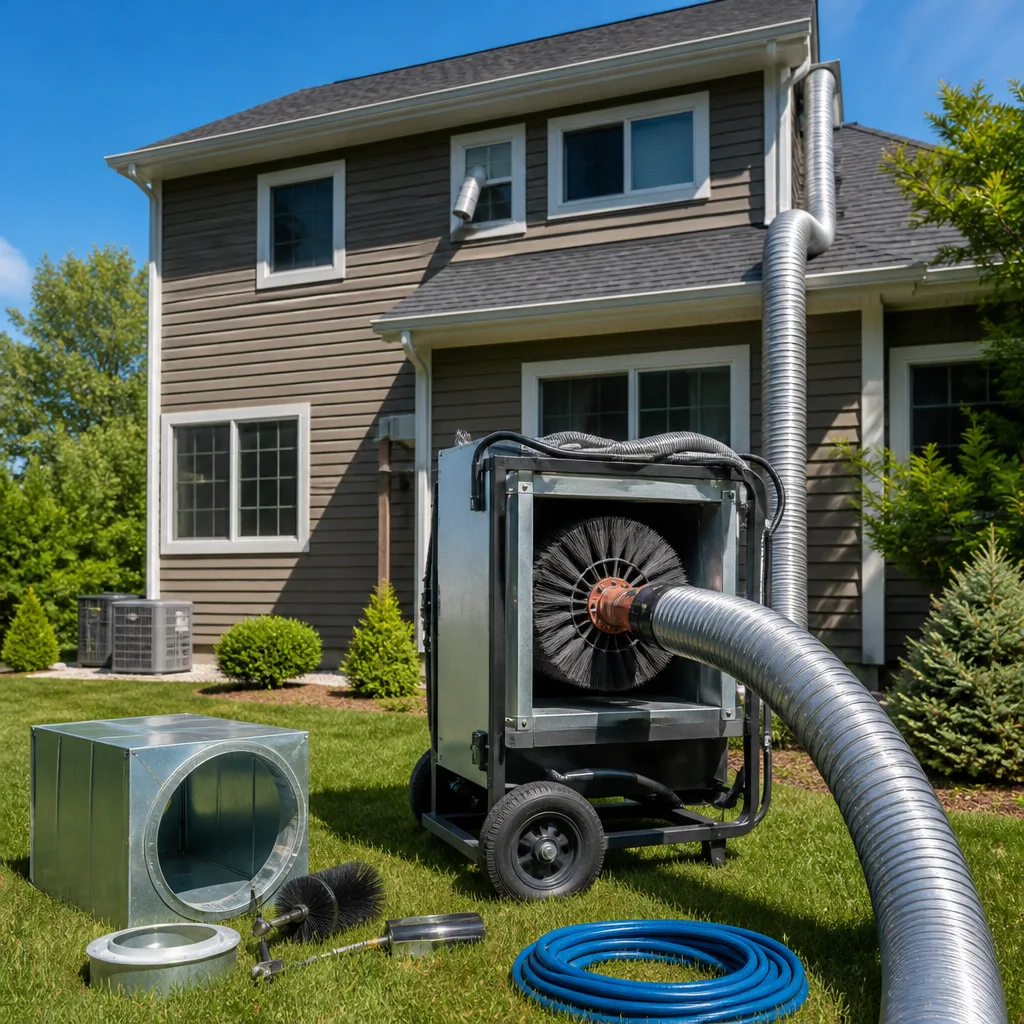 Whole-home duct cleaning
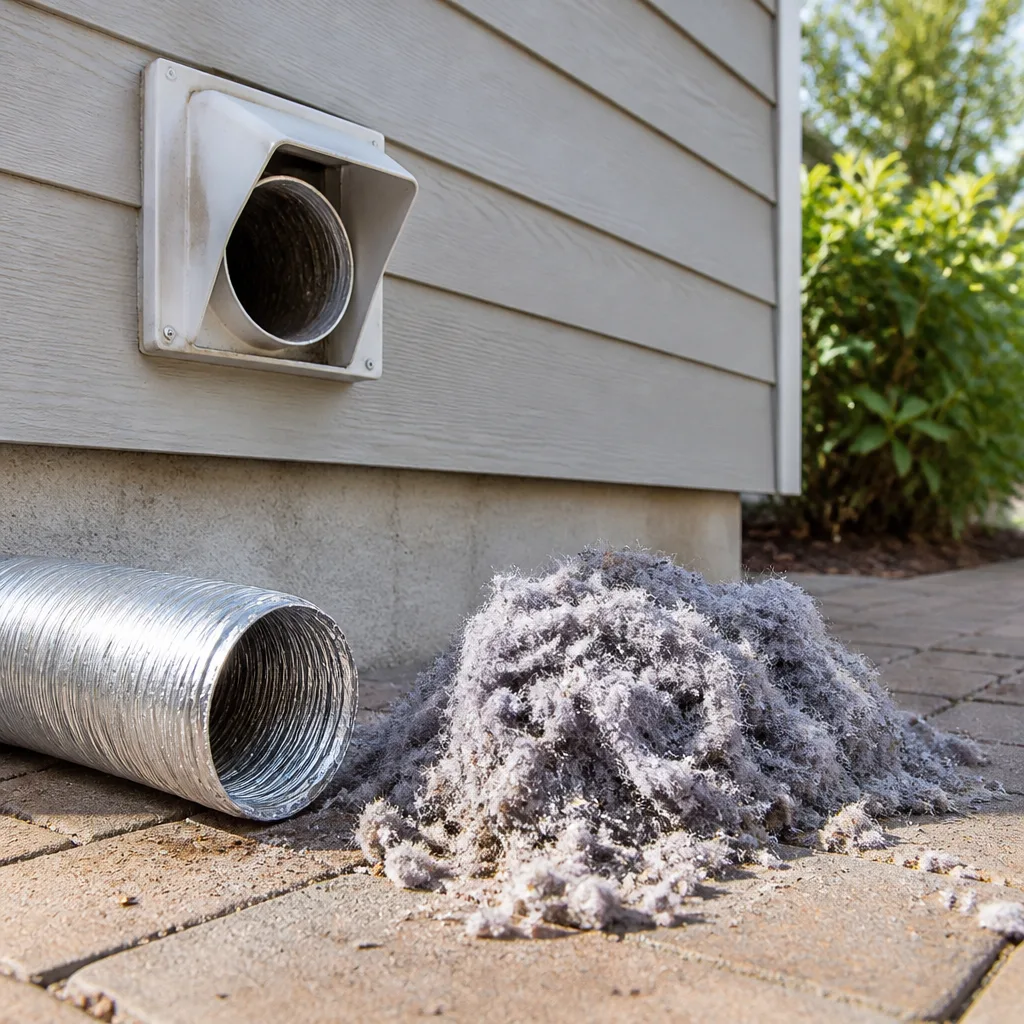 Dryer vent cleaning
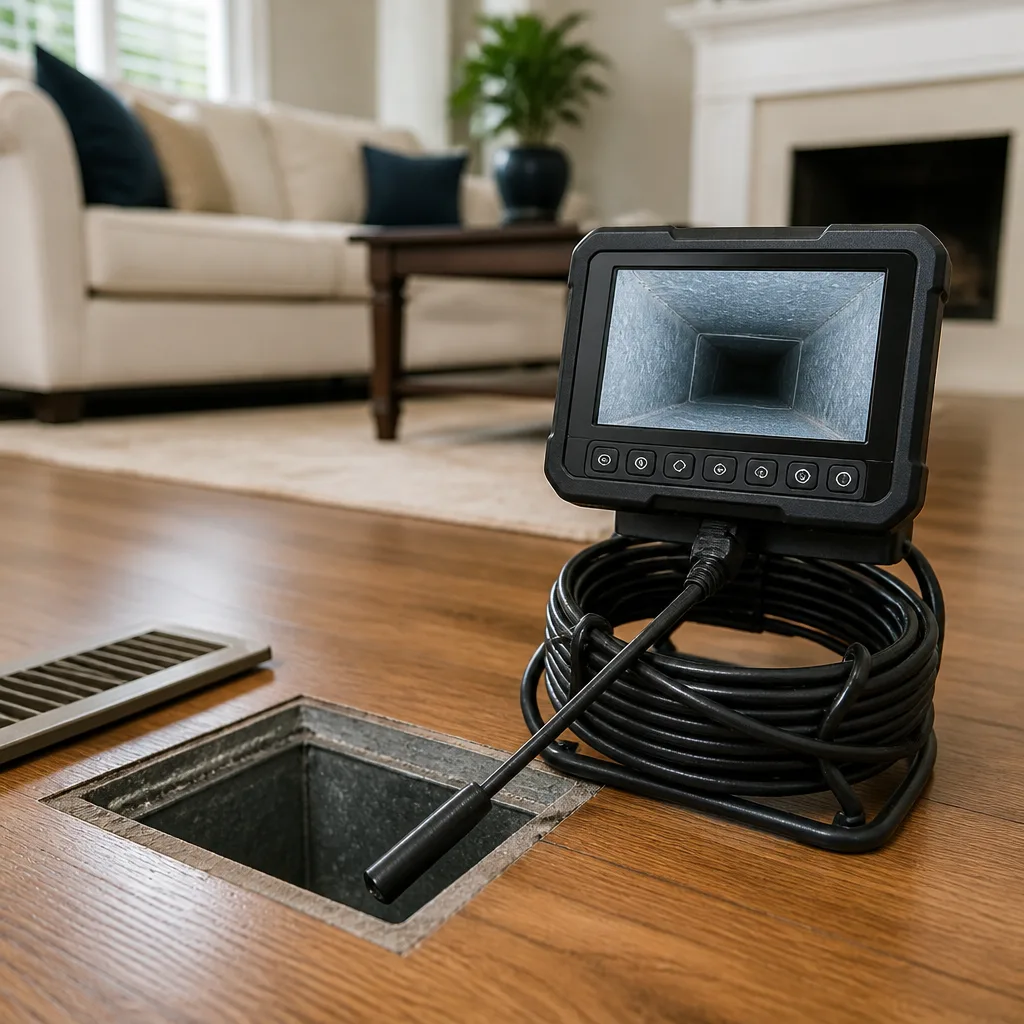 Camera inspection
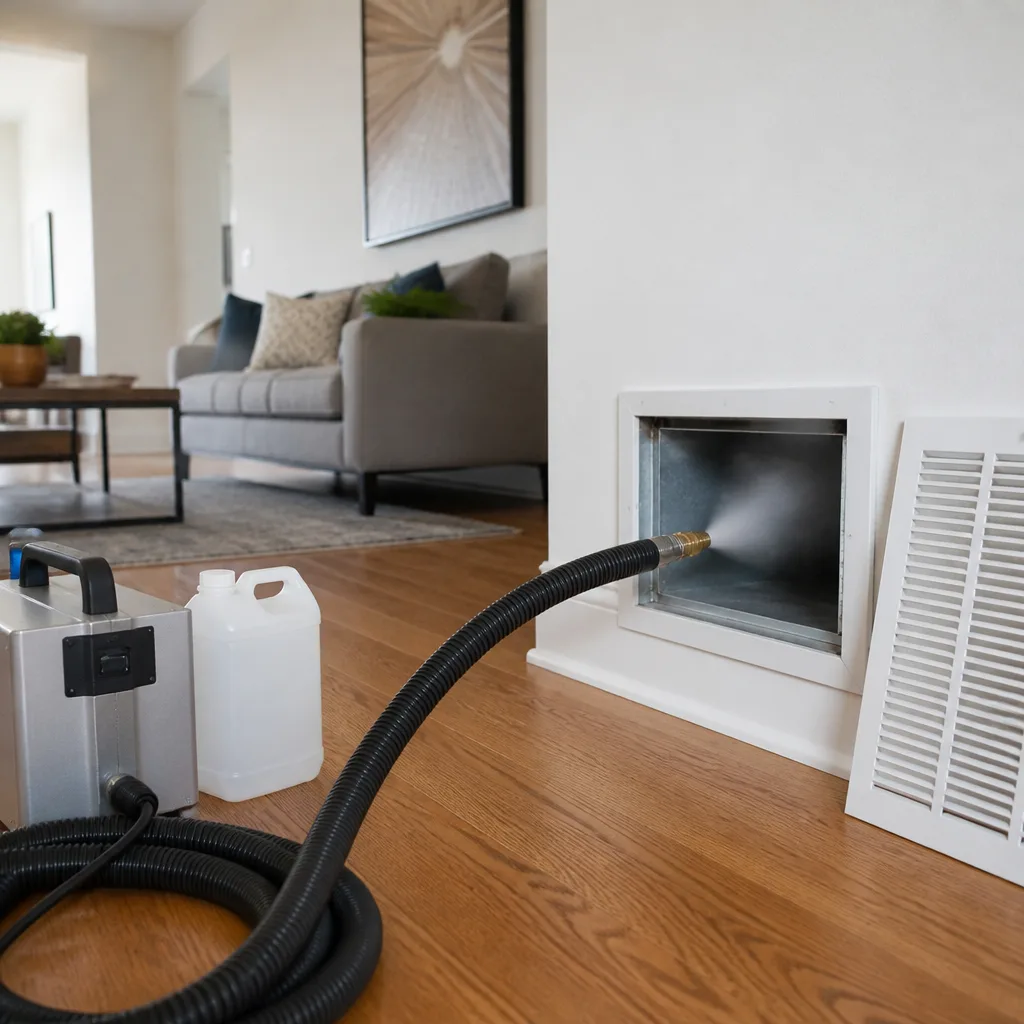 Sanitizing & deodorizing
Whole-system duct and dryer vent check with before-and-after photos - you see exactly what came out of your vents
That "$99 whole-house special" is a bait ad - the real number appears once they are in your hallway, or the "clean" is a shop-vac at the register. We photograph the inside of your ducts before and after instead.
Air Duct Cleaning Troubleshooting in Washington Square: Common Problems and How to Fix Them
A homeowner who replaces air filters every 30 days instead of every 90 isn’t fighting a dirty house. They’re fighting a duct system that’s pulling debris in from somewhere it shouldn’t be. That distinction matters, because most of what people try to diagnose online comes down to three root causes: airflow restriction, breach contamination, or mechanical failure. Knowing which one you’re dealing with tells you whether cleaning actually fixes the problem or just buys you another month of clean filters. This guide walks through the symptoms Washington Square homeowners describe most often, what each one usually points to, and the checks you can do yourself before anyone shows up at the door.
Quick Answer
Air duct problems in Washington Square almost always trace back to one of three causes: restricted airflow (blocked returns, crushed flex runs, clogged coils), contamination entering through a breach (a disconnected joint, torn flex duct, or unsealed register boot), or a mechanical failure in the system itself (a failing blower, damper stuck shut, or collapsed liner). Cleaning solves the first and helps the second only after the breach is sealed. The third needs repair, not cleaning. Anyone who diagnoses your system as “just dirty” without ruling out the other two is guessing.
Styles & brands we work with
- Whole-home duct cleaning
- Dryer vent cleaning
- Camera inspection
- Sanitizing & deodorizing
Table of Contents
- The Three Root Causes Behind Every Duct Symptom
- The Tissue-and-Register Test: Dirty Ducts vs. Leaky Ducts
- What Uneven Room Temperatures Actually Tell You
- Why a Musty Smell After Cleaning Usually Isn’t the Ducts
- Pressure Imbalance Signs That Cleaning Can’t Fix
- How to Document Symptoms Before the Technician Arrives
- Dryer Vent Troubleshooting: A Separate Problem Entirely
- Common Mistakes to Avoid
- When to Call a Professional
- Frequently Asked Questions
The Three Root Causes Behind Every Duct Symptom
Every complaint we hear in Washington Square maps onto one of three categories, and the category determines the treatment. Get the category wrong and you’ll pay for a cleaning that doesn’t hold.
Airflow restriction means the system can’t move the volume of air it was designed to move. Common sources include a return grille blocked by furniture, a flex duct with a crushed or kinked run, a filter that’s too restrictive for the blower, or a coil packed with dust on the indoor unit. Symptoms show up as weak airflow at distant registers, a system that runs long cycles, or rooms that never quite reach the thermostat setting.
Breach contamination means unfiltered air is entering the duct system after the filter. A disconnected joint in an attic run, a torn section of flex duct, or a register boot that was never sealed to the drywall will pull air from wherever it sits – a crawlspace, a wall cavity, an attic. That air carries dust, insulation fibers, and whatever else lives in that space straight into your supply ducts. This is the classic case of a homeowner changing filters constantly because the system is ingesting debris downstream.
Mechanical failure is a component problem: a blower motor losing speed, a zone damper stuck closed, a variable-speed system with a failed control board, or a collapsed duct liner blocking a run. Cleaning changes none of these. Repair does.
We use Rotobrush rotary-brush equipment and Nikro negative-pressure units because they address the first category properly – mechanical agitation plus contained extraction – and we can identify the other two before the work starts.
The Tissue-and-Register Test: Dirty Ducts vs. Leaky Ducts
Before you call anyone, you can narrow the diagnosis down at home with a tissue and five minutes. It won’t tell you everything, but it separates two problems that get confused constantly.
- Turn the system fan to “on” at the thermostat, so air moves without heating or cooling.
- Hold a single-ply tissue against a supply register – the grilles that blow air into the room. It should flutter steadily outward. Weak or intermittent flutter points to restriction upstream.
- Hold the tissue near the edges of the register frame, not the center. If the tissue gets pulled toward the gap between the grille and the drywall, you likely have a leak at the boot. That gap is drawing air from the wall cavity.
- Repeat at a return grille. Strong suction is normal. Weak suction at a return while supplies feel strong suggests a return-side restriction.
- Note which rooms fail the test. A pattern – all rooms on one side of the house, or every second-floor register – tells a technician more than any single reading.
The distinction matters because a leaky boot test means cleaning alone won’t hold. We seal the system after cleaning so the dust you remove doesn’t get pulled right back in through the same gap. In Washington Square’s older housing stock, where ductwork has often been modified by several different contractors over the years, unsealed boots and disconnected joints are common. Purpose-built equipment, not repurposed shop vacuums, is what agitates debris loose in the first place. But sealing is what keeps it gone.
What Uneven Room Temperatures Actually Tell You
A room that runs five degrees warmer than the rest of the house is not automatically a duct contamination problem. In our experience, uneven temperatures split roughly into layout issues and contamination issues, and they get fixed very differently.
Layout-related causes include duct runs that are too long for the blower to push air through effectively, undersized supply trunks feeding a distant room, missing or closed balancing dampers, and registers placed under furniture or behind curtains. These are design and balancing problems. Cleaning won’t move a single degree in a room that never got enough airflow to begin with.
Contamination-related causes include a supply run partly blocked by debris buildup at a bend, a boot packed with construction dust after a renovation, or a return that’s pulling air from a dirty space and distributing it. These respond well to cleaning.
Here’s a useful check: run the system for 15 minutes, then feel the supply register in the problem room and the register in a room that works well. If both feel similar in force but the problem room is still warmer, the issue is likely layout and insulation, not dirt. If the problem room’s register feels noticeably weaker, restriction is the likely cause and cleaning or duct repair may help.
For a broader look at what the process involves when restriction is confirmed, see our page on air duct cleaning.
Why a Musty Smell After Cleaning Usually Isn’t the Ducts
If the ducts were cleaned and the musty smell came back within a few weeks, the mold is almost certainly at the air handler, not inside the duct runs. This is the single most common callback pattern in the trade, and it’s avoidable.
Here’s why. The air handler sits in a dark, damp, often unsealed closet. The evaporator coil stays wet for hours after the system shuts off. That coil, the drain pan underneath it, and the insulation lining the interior of the air handler cabinet are prime mold habitat. Cleaning the ducts removes what’s in the ducts. It does nothing to the source growing twenty-four inches upstream.
What a proper cleaning should include:
- The interior surfaces of the air handler cabinet, cleaned and treated, not just the ducts downstream.
- The evaporator coil and drain pan, cleaned of biofilm and standing water.
- A sanitizing application inside the duct system after mechanical cleaning – we use Guardsman-grade sanitizing products for surface treatment.
- Identification of the moisture source. If the coil pan isn’t draining, mold returns no matter how clean the ducts are.
For contamination-level scenarios like this, we bring in Abatement Technologies equipment rated for air-quality remediation work. Most basic duct cleaners carry a vacuum and a brush and stop there. If a company tells you the smell will clear up on its own after cleaning, ask them where the moisture is coming from. If they can’t answer, that’s your answer.
Pressure Imbalance Signs That Cleaning Can’t Fix
Some systems have a pressure problem that no amount of cleaning will resolve. These need a duct sealing technician, and it’s worth knowing the signs so you don’t pay twice.
Signs of a pressure imbalance:
- Doors that pull themselves shut or resist closing when the system runs.
- Whistling at registers or at the return grille, especially right after the blower starts.
- Dust settling on horizontal surfaces within days of cleaning.
- A return grille in a hallway that feels far stronger than the supplies can match.
- Combustion appliances in the same space as a return – a backdrafting risk that needs attention before anything else. This is a safety issue, not a comfort issue.
What’s happening is that the supply and return sides of the system are out of balance, or the duct system is leaking so heavily on the return side that it’s depressurizing the house. Cleaning removes debris. It doesn’t close a gap. Sealing does.
We clean the system, then we seal it, so it stays clean. That sequence matters – sealing a dirty duct just locks the debris in. If your system shows two or more of the signs above, ask for sealing to be scoped alongside the cleaning, and ask specifically how the technician will verify the seal afterward.
How to Document Symptoms Before the Technician Arrives
The best protection against an upsell is a paper trail you built yourself. Ten minutes of documentation before the visit gets you an accurate diagnosis instead of a sales pitch.
- Photograph every register – supply and return, in every room. Get one wide shot showing the register in context of the room and one close-up of the grille and surrounding drywall.
- Photograph the air handler and filter slot. Note the filter’s condition and write the date you last changed it on the filter frame with a marker.
- Record airflow readings. A cheap handheld anemometer held at the center of each register gives you a number in feet per minute. You don’t need to interpret it – just write it down per room.
- Log the symptoms with dates. “Dust on the TV stand within four days of wiping” is useful. “Dusty house” is not.
- Note the smell and where you notice it. At a specific register, only when the heat runs, only in the morning – that detail narrows the diagnosis considerably.
- Keep any prior invoices. If the system was cleaned before, the date and scope on that invoice tells a technician whether you’re looking at a new problem or a recurring one.
When you have photos and per-room readings in hand, the conversation shifts. A technician can compare their own readings against yours and explain the difference. That’s a diagnosis. Without it, you get whatever the person at the door decides to sell.
If your documentation points to a full system clean rather than ductwork alone, our HVAC cleaning page covers what that scope includes.
Dryer Vent Troubleshooting: A Separate Problem Entirely
Dryer vent problems produce symptoms that homeowners often mistake for duct issues, and they carry a fire risk that air ducts don’t. Keep the two separate.
Signs your dryer vent is restricted:
- Clothes take two cycles to dry when one used to do it.
- The dryer body gets noticeably hot to the touch during a cycle.
- The exterior vent flap barely moves, or lint is visible around it.
- A burning or scorched smell during operation.
- Lint accumulating behind the dryer faster than usual.
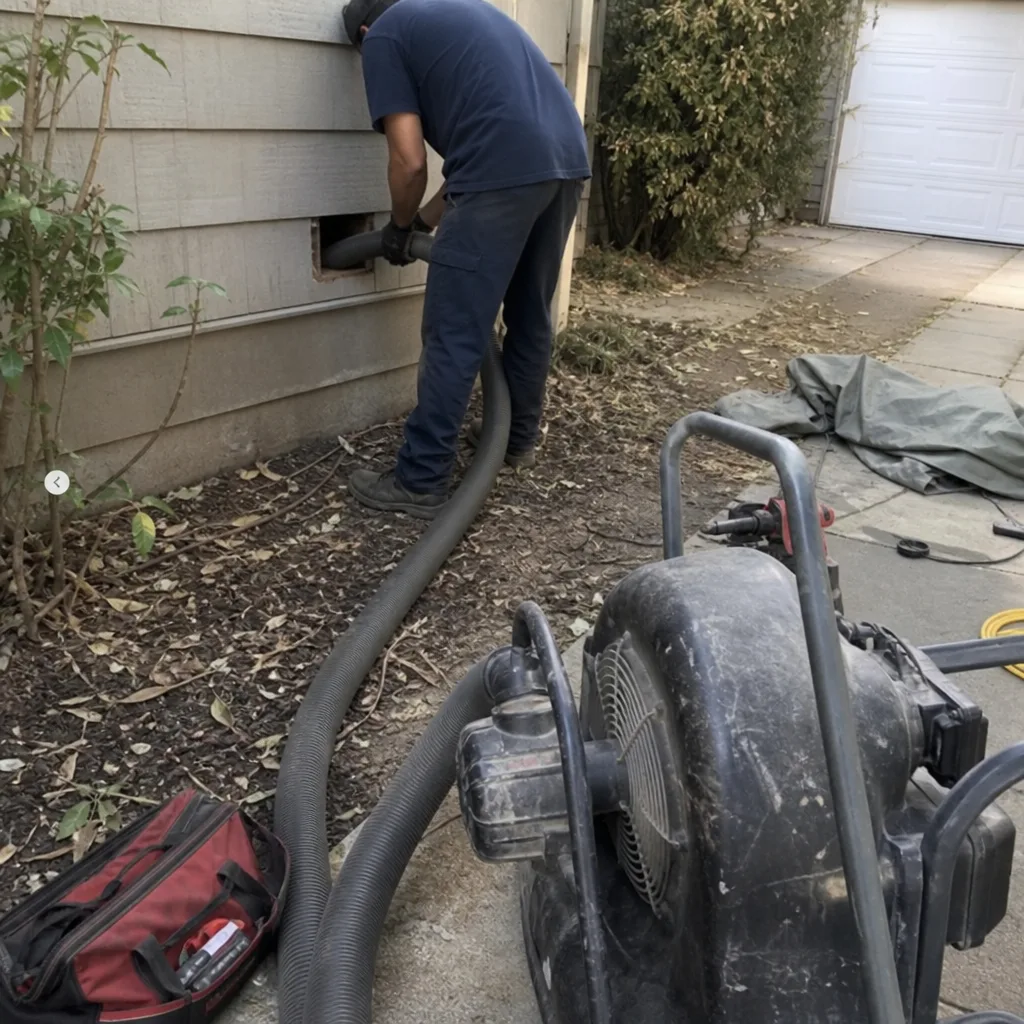
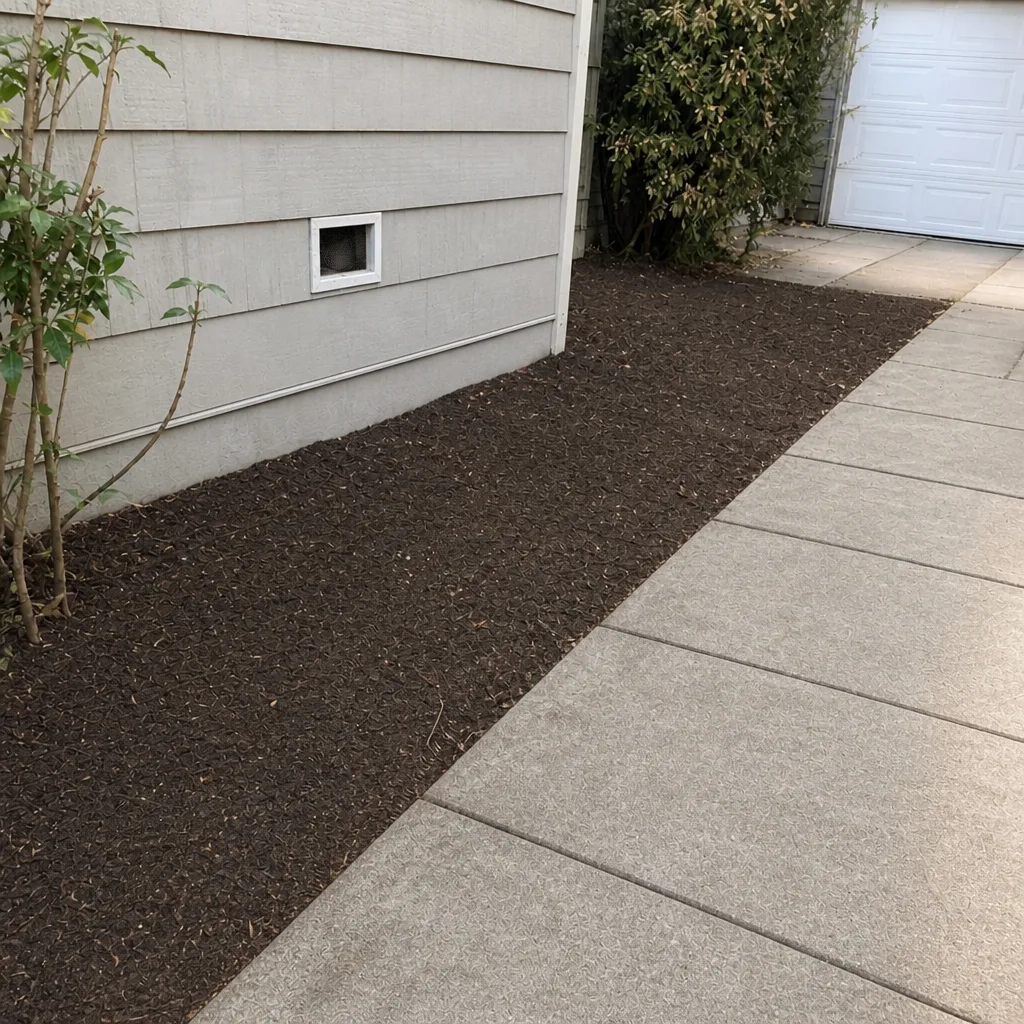
Any of these warrant attention before the next load runs. Dryer vent cleaning isn’t an add-on. It’s a fire-prevention appointment, and we schedule it as a standalone service for exactly that reason. A long run, a crushed flexible section behind the dryer, or a vent that terminates into a wall cavity rather than outdoors all create the conditions for lint to pack and heat to build.
It’s also a different service from what most people think of when they search for duct work. If you want the full picture of that scope, our dryer vent cleaning page lays it out.
Common Mistakes to Avoid
- Buying a cleaning before a diagnosis. If a company quotes you a price over the phone without asking a single question about your symptoms, the price isn’t for your system. It’s for a template.
- Accepting per-vent pricing. Per-vent pricing rewards the contractor for counting and punishes you for having a larger house. Ask for one flat price per system, agreed before work starts, in writing.
- Skipping the seal after the clean. In Washington Square’s older homes, unsealed joints pull debris back in within weeks. Cleaning without sealing is a subscription, not a fix.
- Assuming a new filter solves a dust problem. Changing a filter early is a symptom of breach contamination, not a cure. Find the gap.
- Hiring a generalist for a contamination job. Mold, post-renovation particulate, and allergen work need remediation-grade equipment. A shop vacuum with a brush attachment isn’t that.
- Ignoring a musty smell that returns. A smell that comes back after cleaning is a moisture source upstream. It won’t resolve on its own.
- Letting anyone work without before-and-after photos. Photos of your own ducts, taken before and after, are the simplest way to know the work was actually done.
When to Call a Professional
Call a professional when you’re seeing symptoms you can’t trace to a filter change or a closed damper. Visible mold growth anywhere in the system, a musty smell that returns after cleaning, a renovation that filled the ducts with drywall dust, persistent dust settling within days of wiping, or a dryer vent that’s clearly restricted all warrant a proper inspection. Rodent activity in the ductwork is another – droppings and nesting material need remediation-grade handling, not a homeowner with gloves and a vacuum. If anyone in the home has respiratory sensitivity and the symptoms track with the HVAC running, that’s a reason to get the system looked at sooner.
Air Duct Cleaning Washington Square offers free estimates in Washington Square. Call (877) 792-6053. We answer 24/7. Fast dispatch from 7am to 7pm, Sunday through Friday. The estimate is free and the price is set per job by the written estimate, so you know the number before any work begins.
Frequently Asked Questions
Most residential systems here fall somewhere in a typical range, and the written estimate after an inspection sets the final price. What matters more than the number is what the number covers: one flat price per system, not per vent, and it should include sanitizing and before-and-after photos. Call (877) 792-6053 for an exact quote – estimates are free.
Cheap quotes usually price a single vent and then expand once the technician is inside, or they skip equipment that actually agitates and extracts debris. A low teaser figure on a flyer tells you nothing about the final invoice. Ask for one flat price per system in writing and a copy of the before-and-after photos. Call (877) 792-6053 for an exact quote – estimates are free.
Before-and-after photos of your own ducts, taken at the same registers you photographed yourself. A company that won’t provide them is asking you to take the work on faith. Our technicians photograph the registers and the air handler as a standard part of the visit, and we walk you through the images. Call (877) 792-6053 for an exact quote – estimates are free.
Most homes don’t need a set schedule – they need it when a symptom appears: visible dust buildup, a musty smell, a renovation, or a new-to-you home with unknown service history. A home with pets, ongoing construction nearby, or a prior mold issue usually needs it sooner. Call (877) 792-6053 for an exact quote – estimates are free.
Sometimes, sometimes not. If the register in that room has weak airflow because of debris buildup at a bend or boot, cleaning can restore the flow. If the room never got enough airflow by design, cleaning won’t move the needle. Sealing and balancing are the fixes there. Call (877) 792-6053 for an exact quote – estimates are free.
Yes, and it’s a category most basic duct cleaners aren’t equipped for. We use Abatement Technologies equipment rated for contamination and air-quality remediation, apply Guardsman-grade sanitizing after mechanical cleaning, and we address the air handler and coil – which is usually where the mold actually lives. Call (877) 792-6053 for an exact quote – estimates are free.
The Bottom Line
Nearly every duct complaint in Washington Square traces to airflow restriction, breach contamination, or mechanical failure. Run the tissue test before you call anyone. Photograph your registers and log per-room airflow readings. That documentation is what turns a sales visit into a diagnosis. If the problem is contamination, a proper clean with equipment that actually agitates and extracts – then a seal so it stays clean – is the fix. If it’s a pressure imbalance or mechanical failure, cleaning alone wastes your money. Better air starts with knowing what’s actually in your ducts, and why. From the first pass to the final seal, one team handles the whole job.
Call (877) 792-6053 for a free estimate. We answer 24/7. Fast dispatch from 7am to 7pm, Sunday through Friday. Our technicians have up to 8 years of experience, the local pro is licensed and insured as their state requires, and every job ends with your own before-and-after photos.
For the full picture of what we do across the neighborhood, start at Air Duct Cleaning Washington Square.
Written by the team at Air Duct Cleaning Washington Square.
See the difference
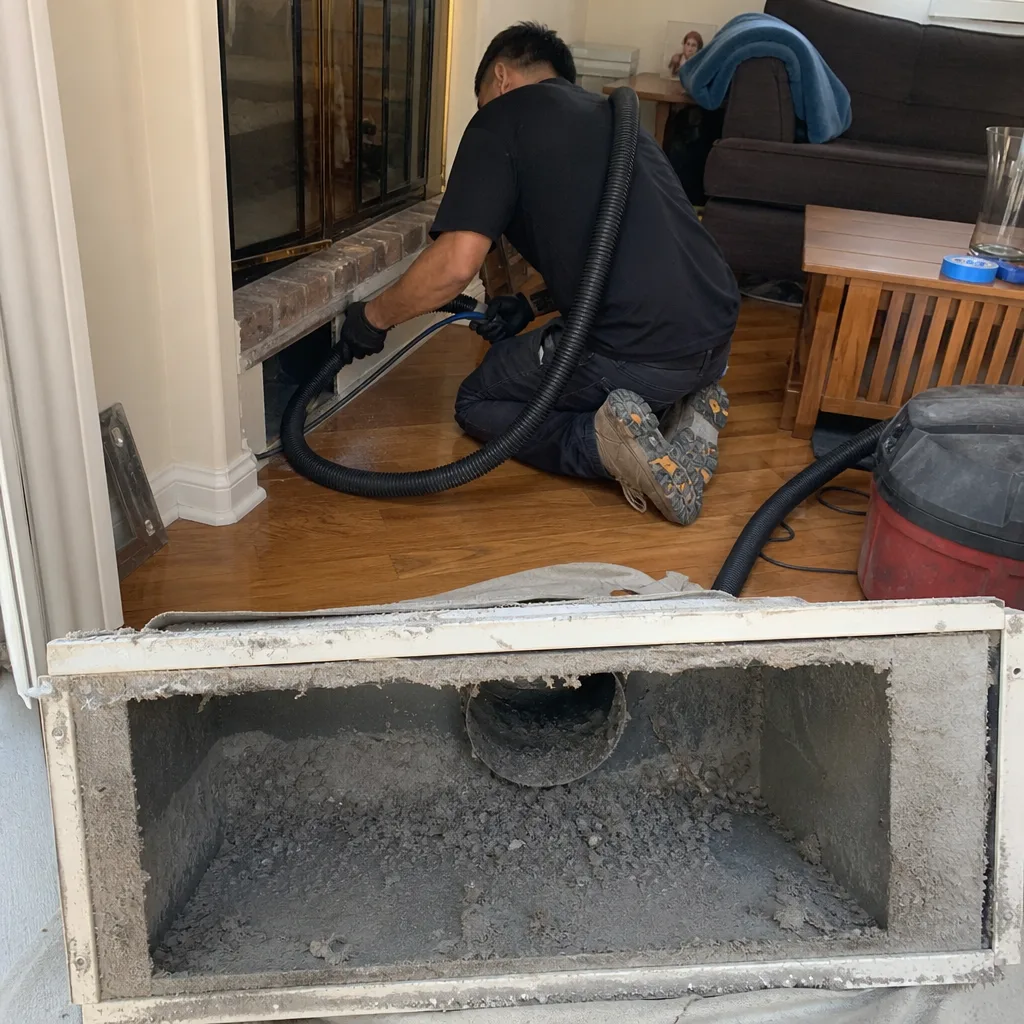 Before
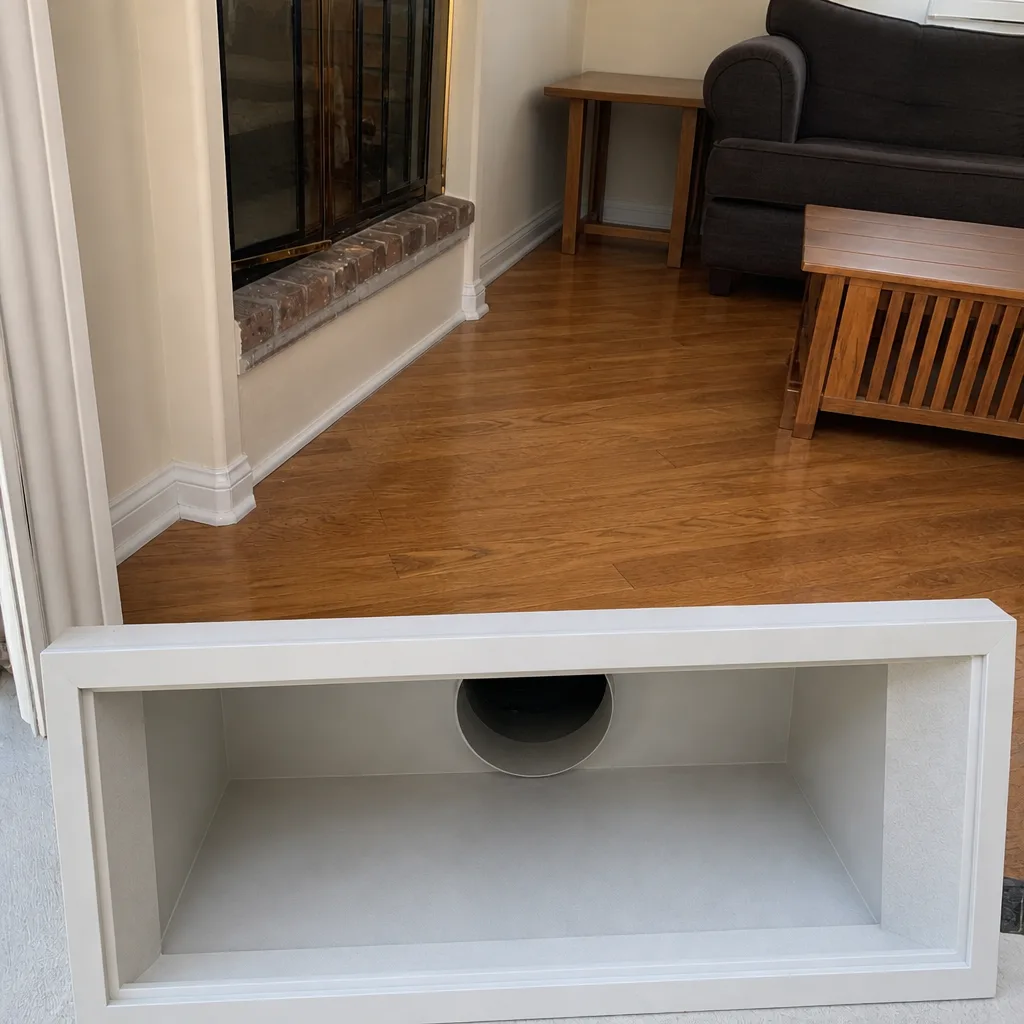 After
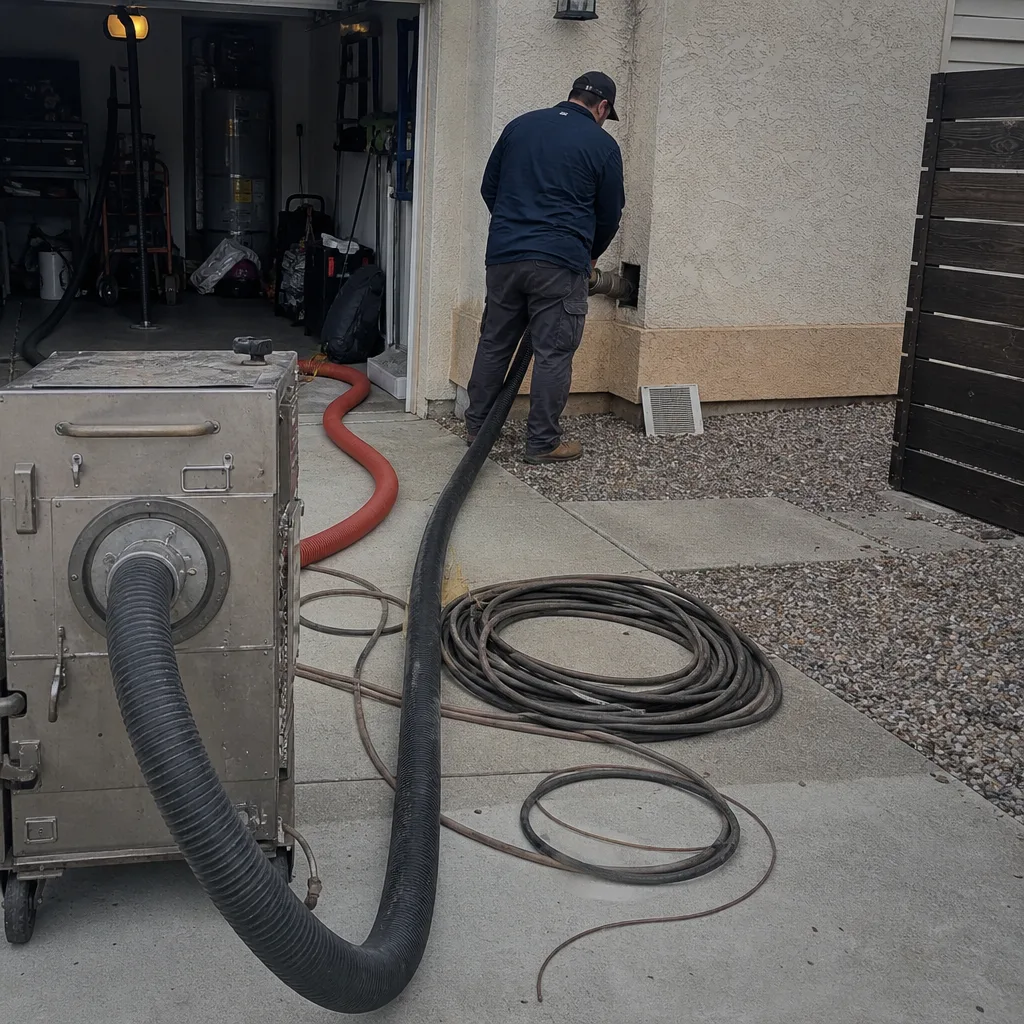 Before
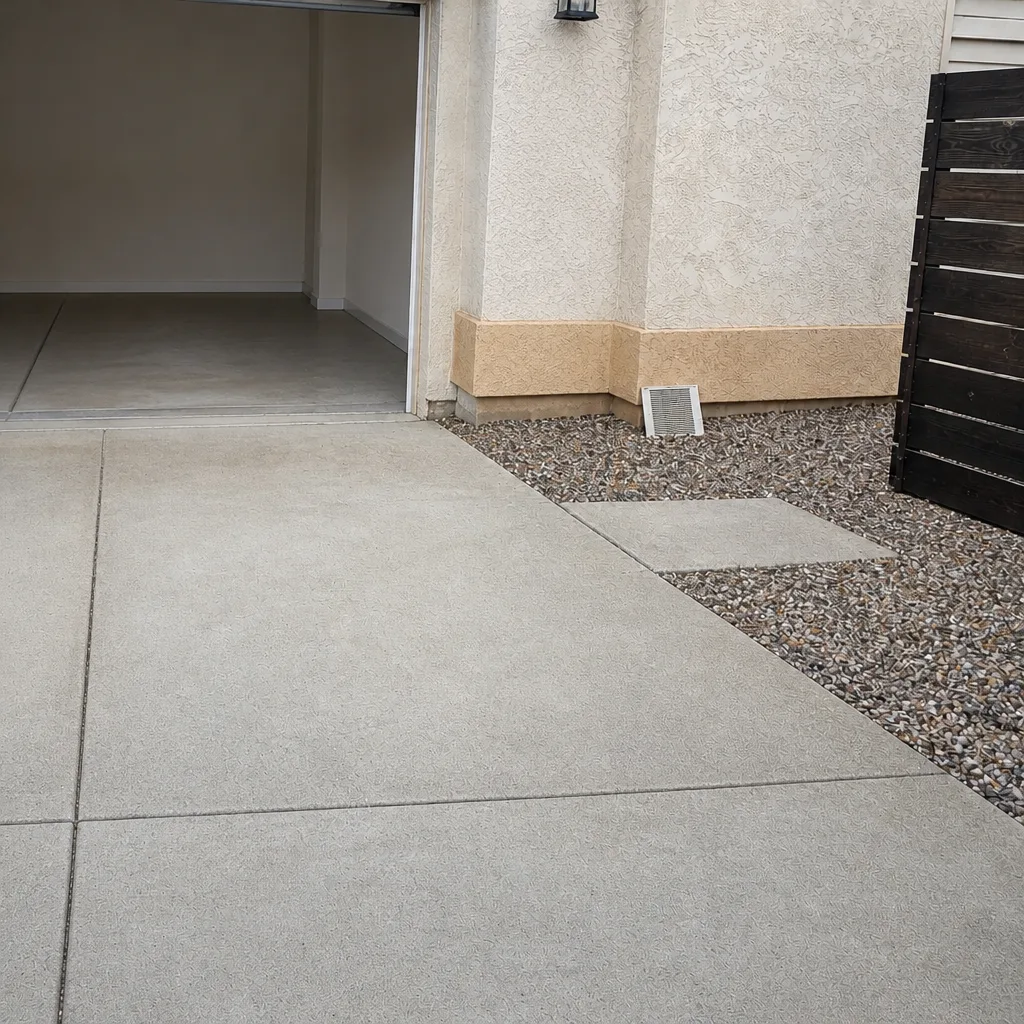 After
 Before
 After