
Last updated November 25, 2026
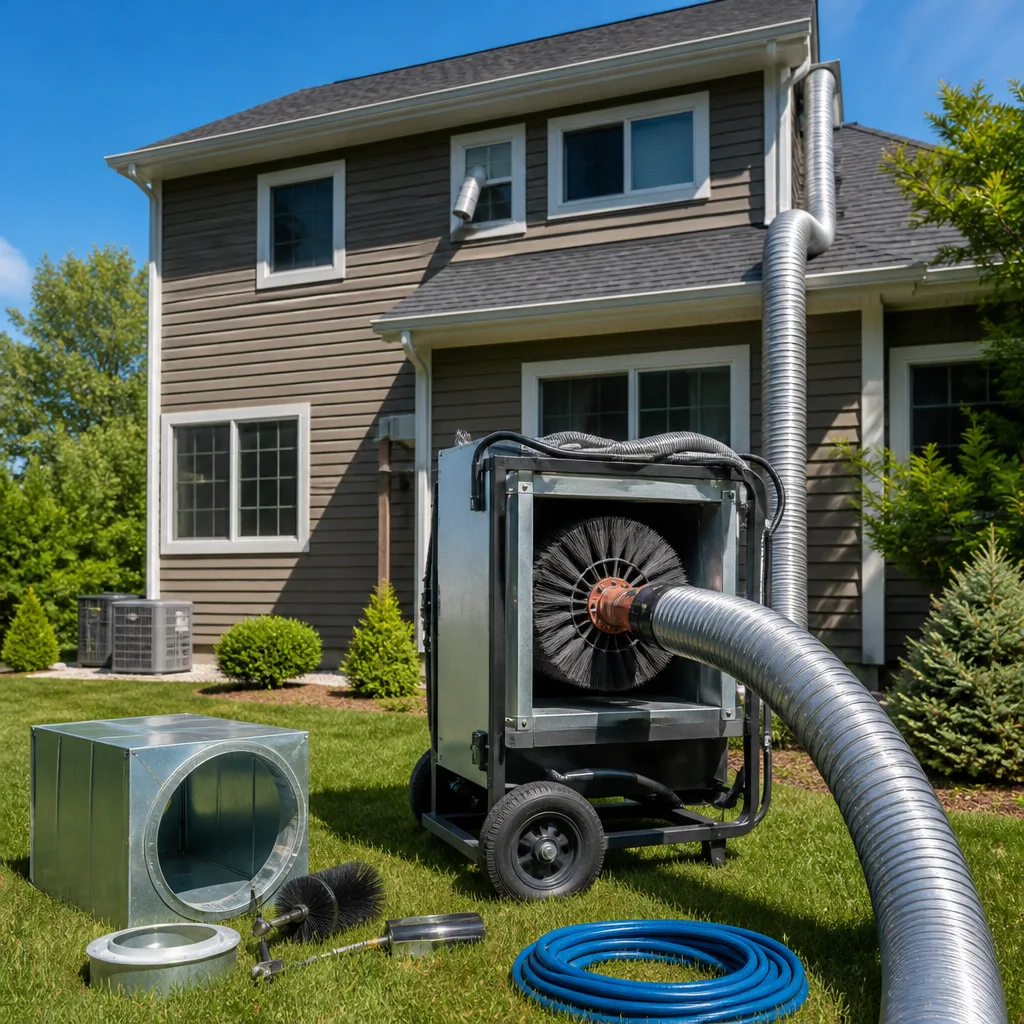 Whole-home duct cleaning
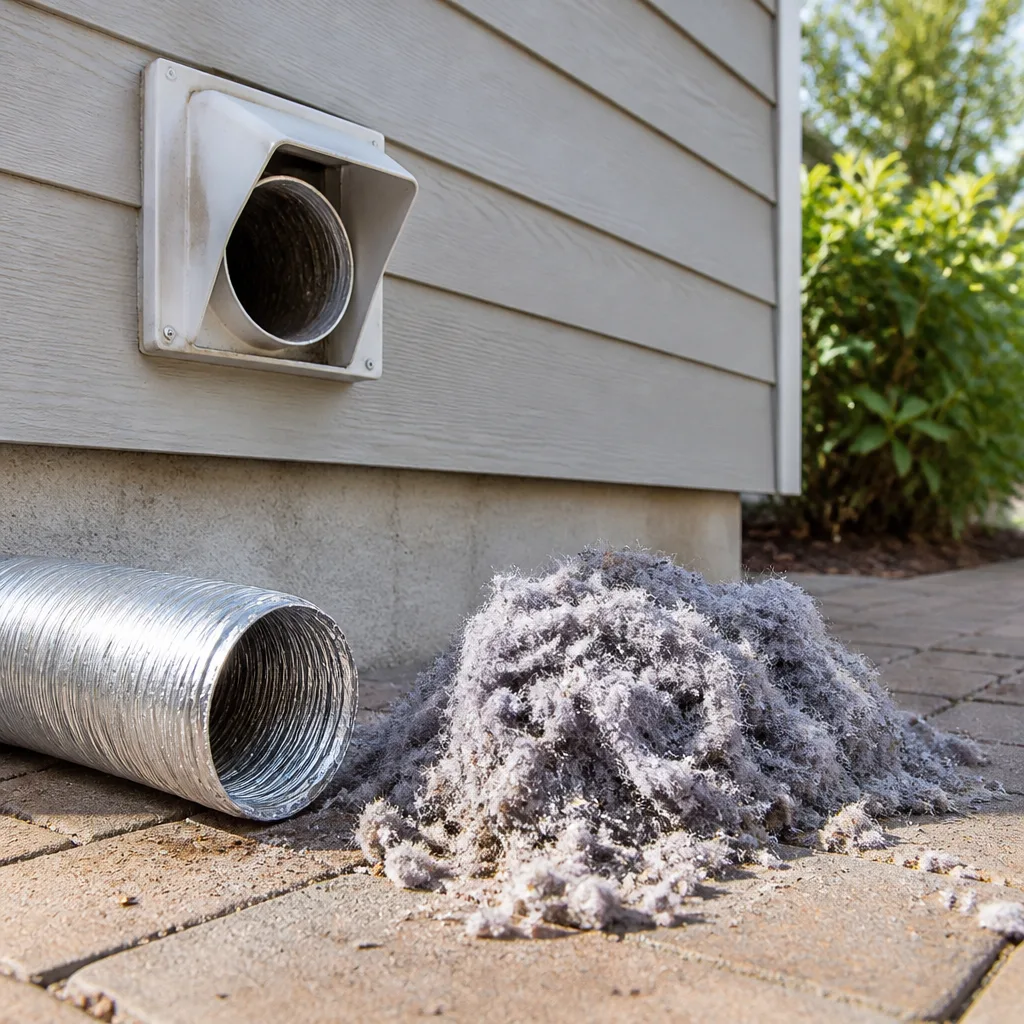 Dryer vent cleaning
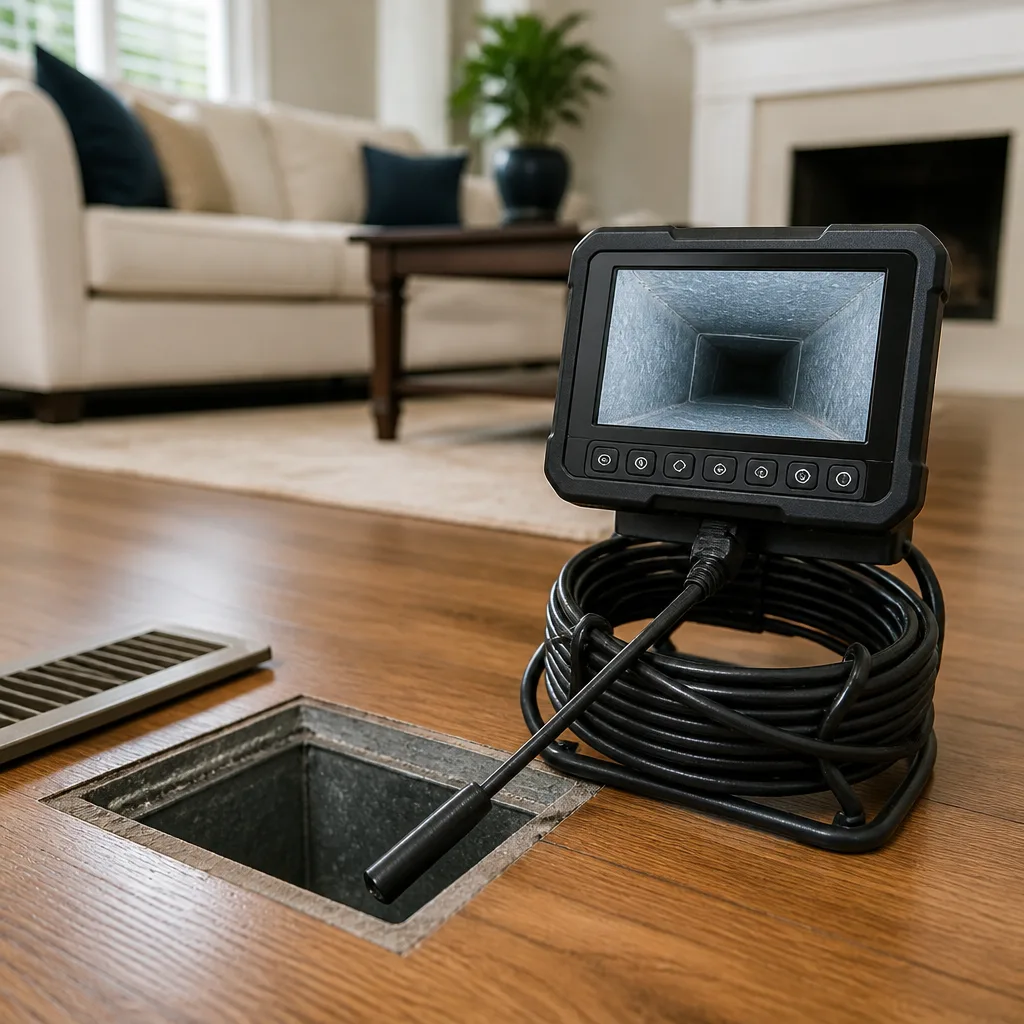 Camera inspection
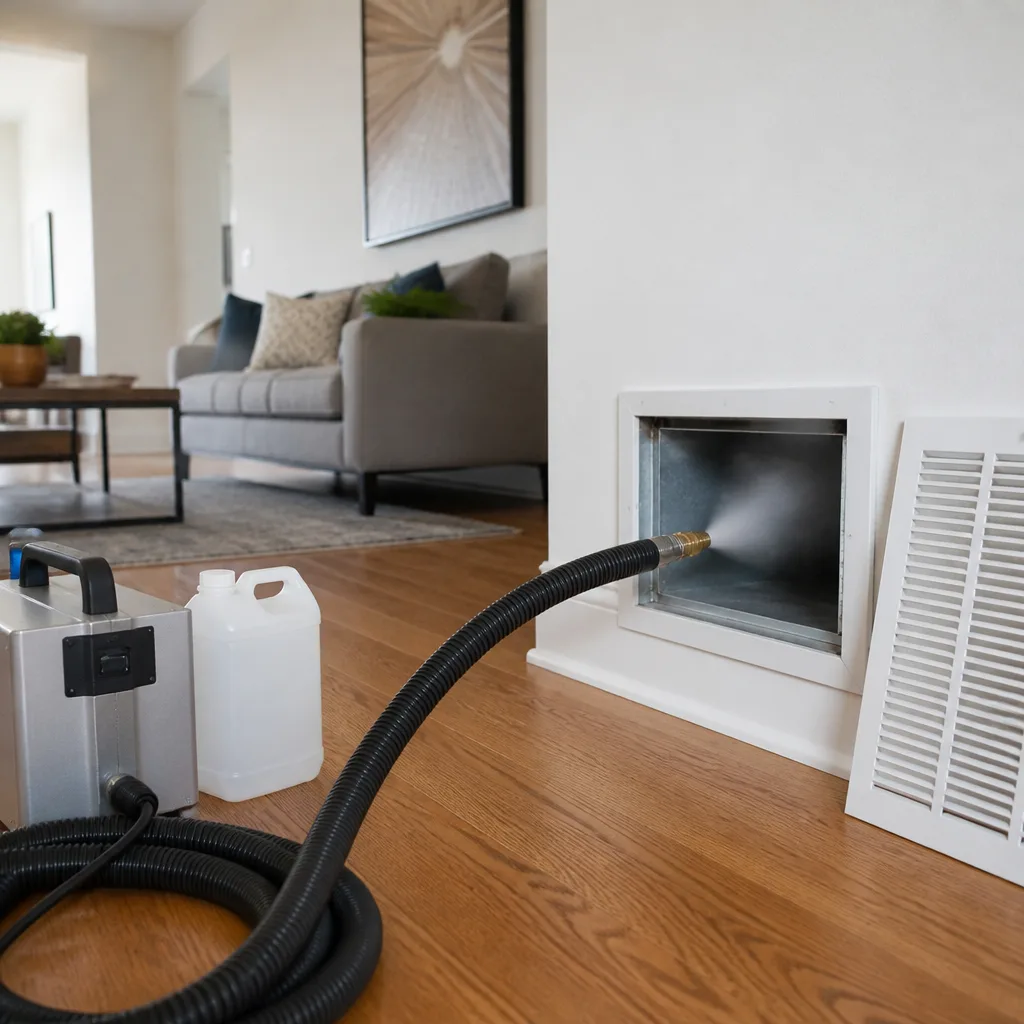 Sanitizing & deodorizing
Whole-system duct and dryer vent check with before-and-after photos - you see exactly what came out of your vents
That "$99 whole-house special" is a bait ad - the real number appears once they are in your hallway, or the "clean" is a shop-vac at the register. We photograph the inside of your ducts before and after instead.
Choosing the Right Air Duct Cleaning Brand: A Buyer’s Guide for Washington Square
Here’s a thing worth knowing before you start comparing duct cleaning companies in Washington Square: the name on the truck tells you almost nothing about what happens inside your house. National franchise brands and local independents both claim to follow NADCA standards, and some of them actually do. The franchise fee pays for marketing, a logo, and a phone bank. It does not pay for better rotary brushes or a technician who knows how to read static pressure. What actually separates a good duct cleaning company from a bad one is equipment class, documented method, and whether the people doing the work are certified to a real standard. This guide walks you through how to check all three before you book.
Quick Answer
The right air duct cleaning brand in Washington Square is the one that can prove its equipment class (Rotobrush rotary-brush and Nikro negative-pressure extraction, for example), documents its cleaning method against NADCA’s ACR standard, and staffs ASCS-certified technicians you can verify. Franchise name recognition, review count, and coupon pricing are not reliable signals. Ask about equipment, method, and certification before you ask about price.
Styles & brands we work with
- Whole-home duct cleaning
- Dryer vent cleaning
- Camera inspection
- Sanitizing & deodorizing
Table of Contents
- Why Franchise vs. Independent Is the Wrong Axis
- What to Look For on a Company’s Website: Real Signals vs. Facade
- How to Verify NADCA Membership and What ASCS Certification Actually Requires
- The Local Accountability Factor: Why Washington Square Independents Often Win
- Three Questions That Reveal Whether You’re Talking to a Technician or a Call Center
- Full-Scope vs. Single-Service Companies: Why It Matters After Cleaning
- Dryer Vent Cleaning as a Separate Safety Category
- How Pricing Structure Reveals the Type of Company You’re Talking To
Why Franchise vs. Independent Is the Wrong Axis
Most homeowners in Washington Square start their search by comparing recognizable franchise names to local independents. That comparison is comfortable because it feels like it maps onto something real, but it doesn’t. A national franchise and a properly equipped independent both use the same NADCA ACR standard (Assessment, Cleaning, and Restoration) as the technical reference point for what “cleaned” actually means. One of them follows it and one of them doesn’t. The franchise fee has nothing to do with which is which.
The right axis to compare on is equipment class and method documentation. A rotary-brush system like the Rotobrush agitates debris off duct walls mechanically, then a negative-pressure system like Nikro pulls the loosened material into a HEPA-filtered collection unit. That’s the engineering definition of duct cleaning. A shop vac and a blower do not qualify. When you start asking “what equipment will be in my home?” instead of “which brand should I trust?”, the search gets much sharper.
The second axis is documentation. A serious Washington Square duct cleaning company can show you what a cleaning actually looks like: before-and-after photographs of duct interiors, a written scope that names each component being cleaned (supply trunks, return trunks, plenum, registers, the air handler), and a description of how the collector stays under negative pressure throughout the job. If a company can’t produce any of that, the logo on their shirt doesn’t matter.
What to Look For on a Company’s Website: Real Signals vs. Facade
A website that actually reflects technical capability looks different from one that’s built to convert clicks. The difference is not subtle once you know which features to check. Here’s what to scan for on any Washington Square duct cleaning company’s site before you call.
Signals of real technical depth
- Named equipment with photos. Rotobrush, Nikro, Abatement Technologies, and similar industry-benchmark names appear with product photos that show real equipment, not stock illustrations. You should see the actual machine heads, hoses, and collection units.
- A written method description. A page that walks through the sequence (source removal, mechanical agitation, negative-pressure extraction, sanitizing with a product like Guardsman, and any sealing or repair) is a page written by someone who actually runs the equipment.
- Before-and-after documentation examples. Not stylized marketing photos, but actual duct interiors – showing both a filthy return trunk and a clean one – with an explanation that this is what customers in Washington Square receive as part of the service.
- Scope broken out by system. A serious site lists what’s included: supply side, return side, plenum, air handler cabinet, registers, and dryer vent if offered. Vague “whole-home cleaning” with no component breakdown is a marketing page.
- Verifiable certifications. NADCA member status, ASCS-certified technicians, and a link to check those credentials yourself. Any real company will happily point you to how to verify.
- Related air-quality products named specifically. Aprilaire or Honeywell whole-home filtration and humidity control integrated into the conversation, because duct cleaning without addressing the source of contaminants is a temporary fix.
Signals of a marketing facade
- Coupon pricing for a “whole house” cleaning that isn’t defined by number of systems, vents, or components.
- No equipment photos, no method description, only promises (“state-of-the-art equipment” with no brand named).
- Reviews that read as though they were written by the same writer, mostly praising price and speed.
- A single “book now” funnel with no phone number that reaches a technician (as opposed to a dispatcher).
- No physical process described, and no before-and-after gallery.
One of the most useful quick checks: search the company’s site for the words “rotary brush” and “negative pressure.” If neither term appears, that’s a signal. If the site uses terms like “air wash,” “blowout,” or “pressure cleaning,” that’s a stronger signal – and a negative one. Blowing debris loose without capturing it just relocates the problem through your home.
How to Verify NADCA Membership and What ASCS Certification Actually Requires
NADCA is the National Air Duct Cleaners Association, and it publishes the ACR standard that defines what a proper cleaning involves. Membership in NADCA and ASCS (Air Systems Cleaning Specialist) certification are the two most useful credentials to verify before you book a Washington Square duct cleaning. Both are checkable, and neither is expensive to check.
Verifying NADCA membership
- Go to the NADCA website directly (do not use a link from the company’s site – search for it independently).
- Use the “find a member” or “locate a professional” search tool and enter the zip code or the company name in Washington Square.
- Confirm the company appears, and note whether the listed membership is “Air Systems Cleaning Specialist” company-level or individual-level certification.
- If the company claims membership but doesn’t appear in the directory, ask them directly how they are a member and which individuals hold ASCS credentials. A real company will have an explanation; a facade will get vague.
What ASCS certification actually requires
ASCS is a written exam covering HVAC systems, air duct cleaning methodology, containment and negative pressure, safety, and the ACR standard itself. A technician holding ASCS certification has demonstrated knowledge of static pressure evaluation, how duct systems are designed and installed, why some duct materials require different cleaning approaches (sheet metal, flex duct, fiberglass duct board), and the safety considerations of working inside an air handler. It’s not a rubber-stamp class. It’s a professional credential.
When a Washington Square company has ASCS-certified technicians, ask which specific technicians hold the certification and whether any of them will be on your job. “Our team is NADCA-certified” is fine phrasing; you want to know who is actually trained, and whether that person is on site or managing a crew of untrained helpers.
The Local Accountability Factor: Why Washington Square Independents Often Win
There’s a structural reason local independents often outperform national franchise operators on duct cleaning quality, and it has nothing to do with size. It’s accountability. A Washington Square independent’s reputation is tied to every job it completes in the neighborhoods around it. If a customer on a nearby street calls back angry, the business owner’s name is on that call, that technician, and that truck. That’s a short feedback loop.
A franchise location is one node in a nationally managed system. Customer reviews are often pooled across the brand, which means consumers occasionally see four-and-a-half-star ratings for a brand rather than the actual performance of the local operator. When there’s a complaint, the resolution process often routes through a call center rather than the business that did the work. That doesn’t mean every franchise location is bad. It means you cannot use pooled reviews as a proxy for what will happen in your home.
What local accountability looks like when you’re evaluating a Washington Square air duct cleaning company:
- Reviews concentrated in Washington Square and nearby neighborhoods, not scattered across the country.
- Named local ownership or management – the person who answers when you call with a concern is the person responsible for the work.
- Repeat business from local property managers, real estate agents, and contractors who have to live with the outcome of a referral.
- A documented scope that specific, not a generic brand template.
This is also why local companies tend to invest more deeply in professional equipment. A franchise location may be equipped to the brand’s standard. An independent that has chosen Rotobrush and Nikro equipment has made an investment it can’t afford to waste. If you want a franchise to match that, ask what equipment they run and what certifications the technicians carry – and expect them to name specific brands and specific credentials. Any company worth hiring can do it.
Three Questions That Reveal Whether You’re Talking to a Technician or a Call Center
Before you book any duct cleaning in Washington Square, ask these three questions. A trained technician answers them clearly and specifically. A call center will either deflect or read from a script. The way the person on the phone responds tells you more than anything on the website.
Question 1: “What equipment will be used inside my duct system?”
What a technician says: “A rotary brush head driven by a flexible shaft, followed by negative-pressure extraction through a HEPA-filtered collection unit. On higher-contamination jobs we’ll use Abatement Technologies equipment for containment.” They will name Rotobrush, Nikro, or Abatement. They will describe the sequence. They will tell you whether containment negative pressure is continuous throughout the job.
What a call center says: “We use state-of-the-art equipment.” Or: “The technician will assess and use whatever’s appropriate.” Both are non-answers. If they can’t name the equipment class, they don’t have it.
Question 2: “Who will actually be on-site, and does that person hold any certifications?”
What a technician says: The name of the lead technician, whether that person holds ASCS certification, and how many people will be on the job. They will describe what the lead technician does (manages the process, inspects the ductwork before and after, handles the air handler work) versus what helpers do (running hoses, staging equipment). They will not use the phrase “our trained professionals.”
What a call center says: “Our fully trained team.” Or: “We only send certified people.” Press for details. If they can’t tell you the name or the credential, the credential more than likely doesn’t exist.
Question 3: “What’s the scope of the cleaning – which components are included, and how do you document it?”
What a technician says: “Supply trunks, return trunks, plenum, air handler cabinet, and each register. We photograph before and after. Here’s what a typical documentation set looks like.” They describe a scope that lists components, not a vague “whole-home.” They’re specific about how many systems are involved (some Washington Square homes have multiple air handlers) and are willing to price it as one flat rate per system.
What a call center says: “Our standard whole-house cleaning covers everything.” Then a coupon figure. When you ask what “everything” means, they can’t say, or they name vent covers rather than trunk lines.
If you want a shortcut, here it is. Ask question 1. If the answer contains the words “state-of-the-art” without a brand name, hang up and call a company that will name its equipment. You’ll find that technicians who run this stuff daily can’t stop talking about it, and the ones who answer with scripts have probably never held a rotary brush.
Full-Scope vs. Single-Service Companies: Why It Matters After Cleaning
Duct cleaning reveals things. Loose duct sections, disconnected flex joints, gaps at seams, crushed returns, missing registers, and in some cases actual leakage in the trunk. What happens after the cleaning is the part many homeowners don’t anticipate. If the company that cleans your ducts can’t repair or seal what it finds, you’ll be hiring a second company – and the second company will often do a “repair” without knowing what the first company found.
This is one reason to look for a Washington Square duct cleaning company that offers the full lifecycle under one roof:
- Cleaning – source removal with rotary brush and negative-pressure extraction.
- Sanitizing – applying Guardsman-grade sanitizing product to treat surfaces inside the duct system after cleaning, when appropriate.
- Repair – reconnecting flex, patching sheet metal, replacing damaged sections.
- Sealing – closing leaks at seams and joints, so the work you just paid for stays clean and the system stays efficient.
- Air-quality improvement – integrating Aprilaire or Honeywell products (filtration, humidity control) when the source of contaminants is upstream of the ductwork itself.
- HVAC cleaning – cleaning the air handler and coil, which is where much of the biological load starts.
A company that does only cleaning will clean your ducts well and stop. If your system needs the additional steps, that’s a second appointment and a second contractor – and the second contractor has no visibility into what the first one saw. The full-scope company never has that problem, because it’s the same people from the first pass to the final seal.
If you’re evaluating a Washington Square company and its site lists only “air duct cleaning” with no repair, sealing, or sanitizing services, ask directly whether it does them in-house or subcontracts. A company that subcontracts is fine as long as you know, but you’ll want to understand who’s responsible if the seal fails. For homeowners ready to look at scope details with a specific provider, the air duct cleaning page describes the process step by step.
Dryer Vent Cleaning as a Separate Safety Category
Many duct cleaning companies treat dryer vent cleaning as a bit of extra revenue tacked onto a duct cleaning invoice. That’s the wrong framing, and it’s a good reason to notice how a company talks about it. A dryer vent is a fire-prevention system, not a duct. Lint accumulates inside the vent line, restricts airflow, and in the wrong conditions ignites. If the vent runs to a wall, roof, or floor discharge, the entire length of that line matters, not just the first elbow behind the dryer.
When you evaluate a Washington Square duct cleaning company, look for a dryer vent service that’s treated as its own appointment with its own equipment. A serious service uses a rotary brush sized for the vent diameter and verifies airflow at the termination. It doesn’t just reach in and swipe. If the dryer is taking longer to dry a load than it used to, or the exterior flapper isn’t opening fully when the dryer runs, that’s the schedule to check – not the next time you happen to be booking another service.
If you’re looking for a company that treats dryer vent cleaning as its own safety appointment rather than an upsell, ask the company up front whether the dryer vent is cleaned with dedicated equipment and whether a full-length inspection is included. Any company that hesitates on that question has never seriously thought about the fire risk.
How Pricing Structure Reveals the Type of Company You’re Talking To
Pricing structure is a diagnostic. It tells you how a company thinks about the job before you ever book. The pattern in Washington Square duct cleaning breaks into a few recognizable shapes.
Flat per-system pricing
One price per air handler system, agreed before work starts. This is the honest structure. It reflects the reality that a system is the unit of work – a system has a supply trunk, a return trunk, a plenum, an air handler, and a defined number of registers. It also protects you from the classic bait-and-switch: the cheap “whole-house” price that becomes a much larger invoice once the technician is on site, because the cleaning didn’t include “the deep cleaning” or “the sanitizing treatment” or “the second air handler.”
Per-vent pricing
Charging per vent sounds transparent but isn’t, because vent count is not a reliable proxy for duct length or contamination level. Two homes with the same number of vents can differ enormously in trunk length, number of elbows, air handler condition, and whether the system is a single or dual zone. Per-vent pricing is a way to make the initial number look small – and then to raise it once the technician counts the actual vents on site.
Coupon-based pricing
A very low coupon price for “air duct cleaning” is, almost without exception, a door-opener. When the technician arrives, you’ll hear that the coupon price covers only certain components, and the actual cleaning costs more. That’s not the fault of the coupon – it’s the fault of the pricing structure. You don’t have to avoid coupons; you have to avoid the ones that hide scope behind a small number.
What a real estimate looks like
A serious company will send a written estimate that names the components, names the equipment, names the verification method (before-and-after photos), and states one flat price per system. The estimate is free and the price is set by that written document. If you have questions about what a proper estimate should include for your Washington Square home, call us at (877) 792-6053 and we’ll walk you through it.
Common Mistakes to Avoid
- Choosing on price alone. The lowest bid in Washington Square is almost always the lowest because the scope is smaller, the equipment is cheaper, or the technician is untrained. You’ll pay once for the cheap cleaning and again for the real one.
- Assuming national brand equals better process. Franchise fees fund advertising, call centers, and brand compliance. They don’t fund rotary brushes or ASCS credentials. Ask about equipment and method regardless of the logo on the shirt.
- Trusting pooled review counts. A brand-level four-and-a-half-star average tells you how the brand’s marketing is performing. It doesn’t tell you how a specific Washington Square operator works in the homes near you.
- Booking without a written scope. “Whole-home cleaning” is a marketing phrase. A real scope lists components – supply, return, plenum, air handler, registers – and states whether sanitizing, repair, or sealing are included.
- Skipping the dryer vent. Homeowners sometimes book a duct cleaning and don’t think about the dryer vent, which is the higher fire risk of the two. Book it as its own appointment with its own verification.
- Accepting “state-of-the-art” as an answer. When you ask what equipment will be in your home, “state-of-the-art” is not an answer. A rotary brush and negative-pressure extraction is an answer. Rotobrush and Nikro are answers.
- Not asking for before-and-after documentation. If the company won’t provide interior photos of your ducts on completion, you have no way to know what was actually done. Photos are the proof, and a serious provider treats them as standard.
See the difference
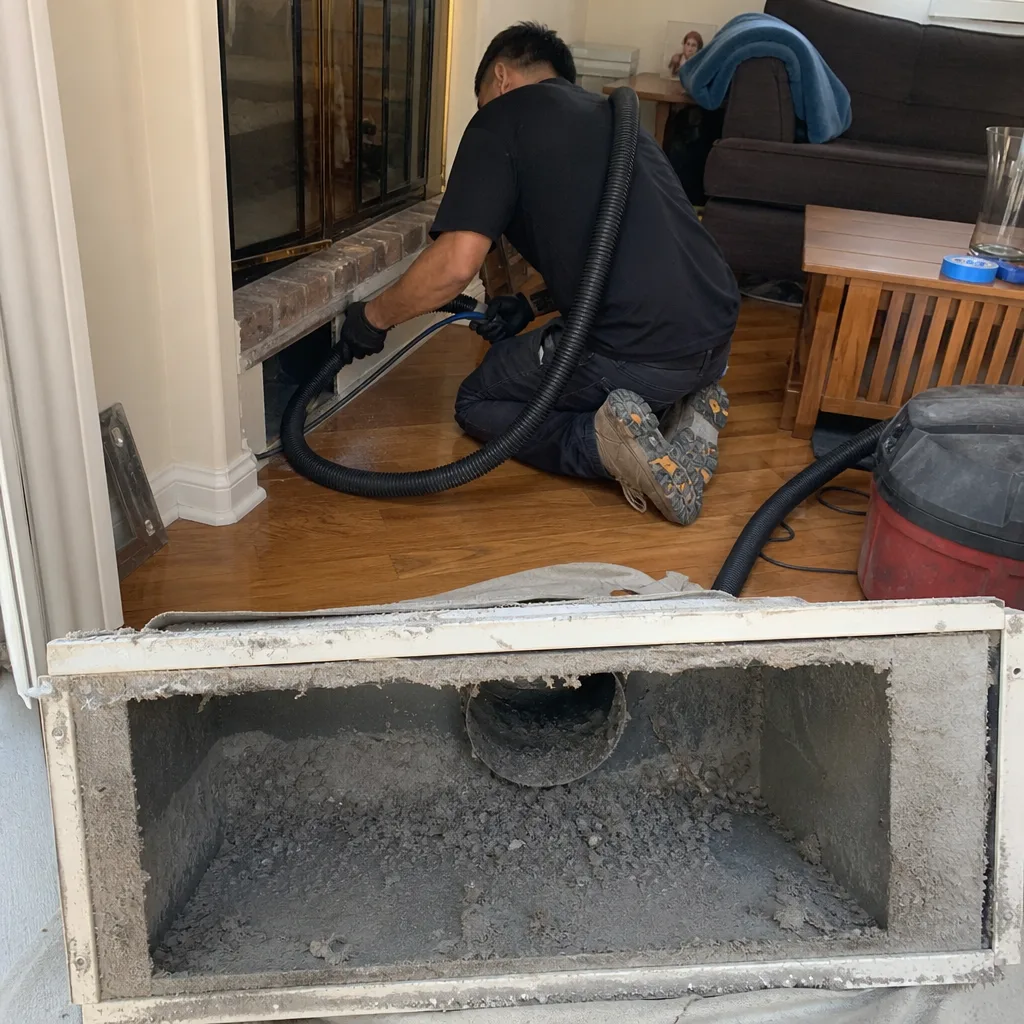 Before
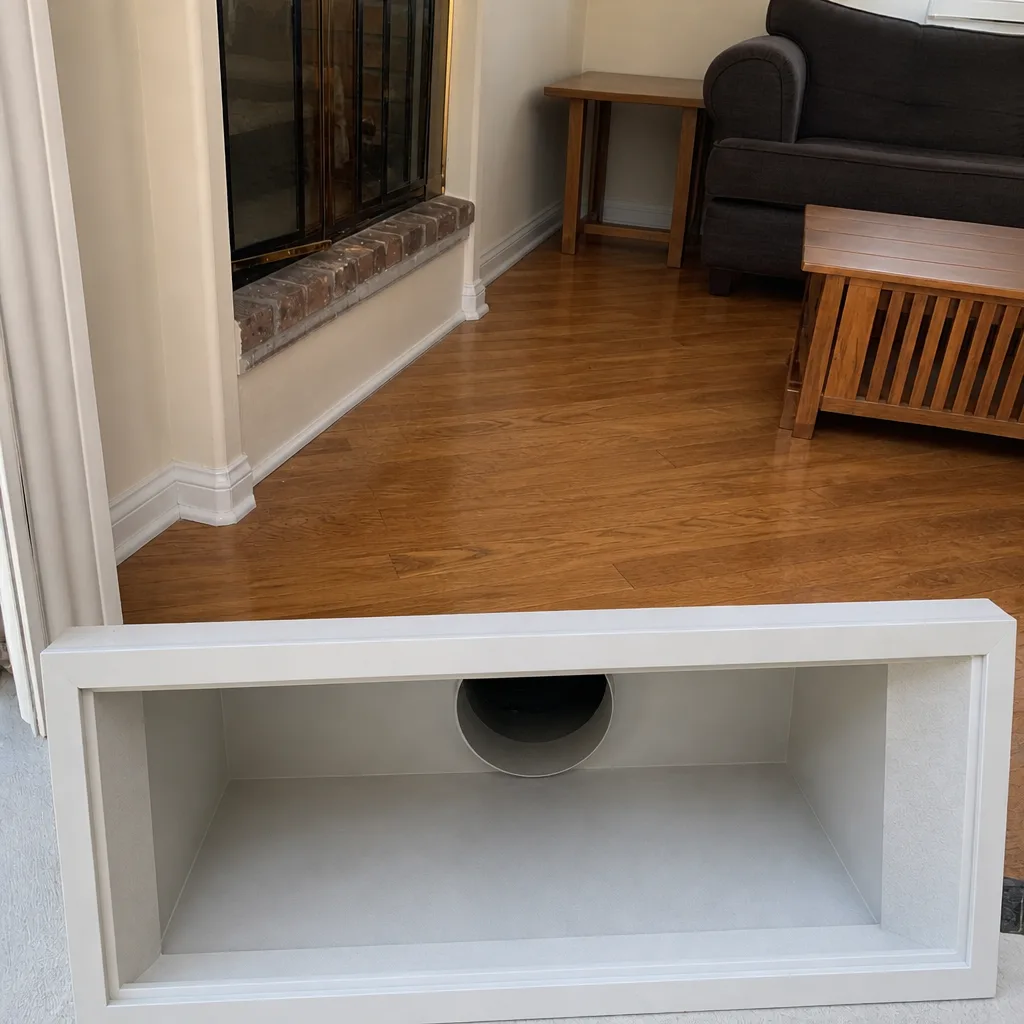 After
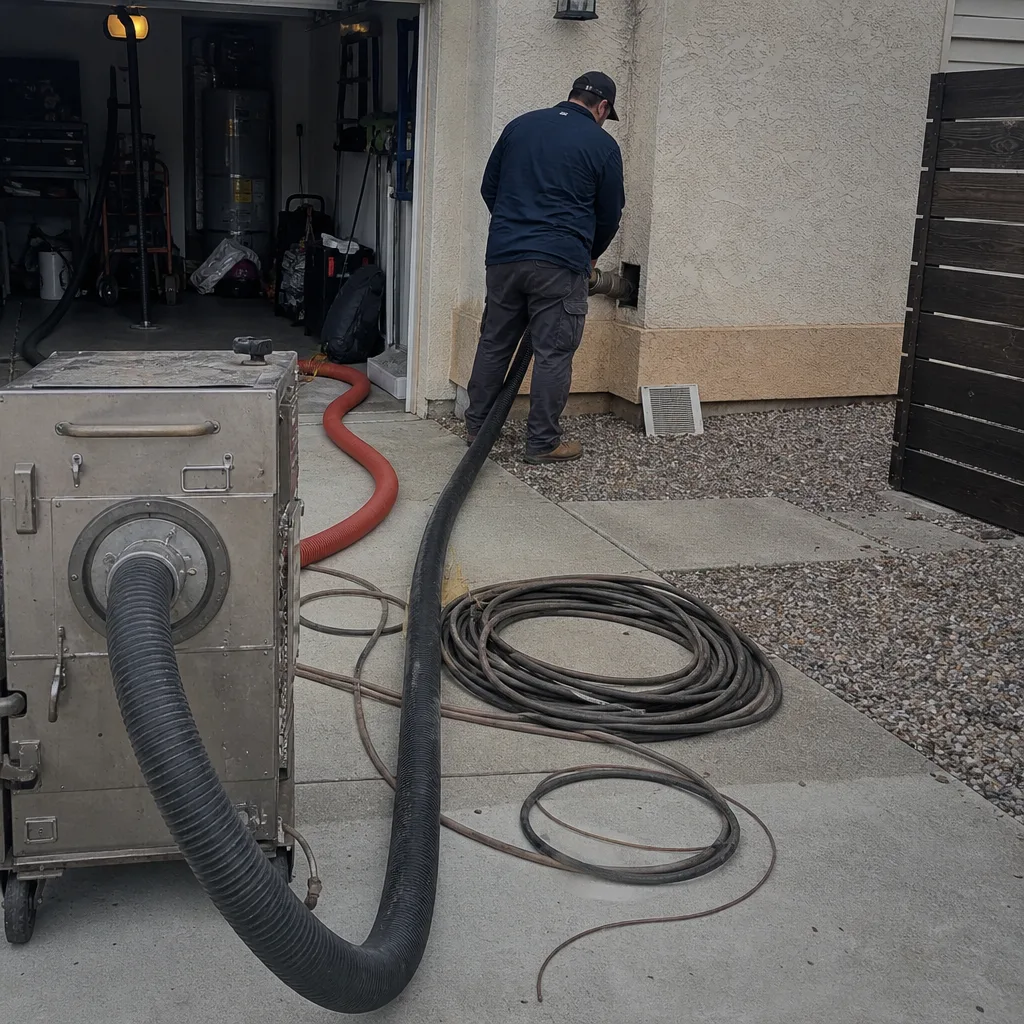 Before
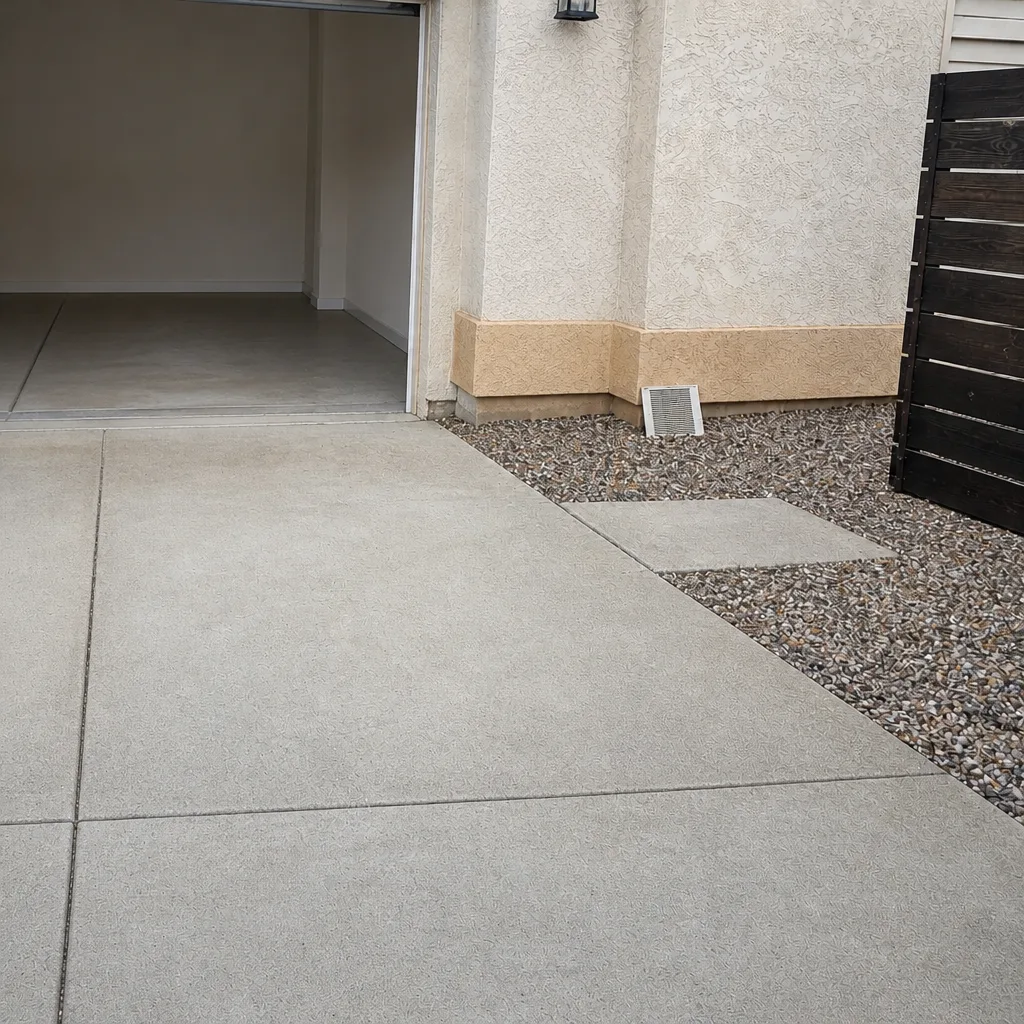 After
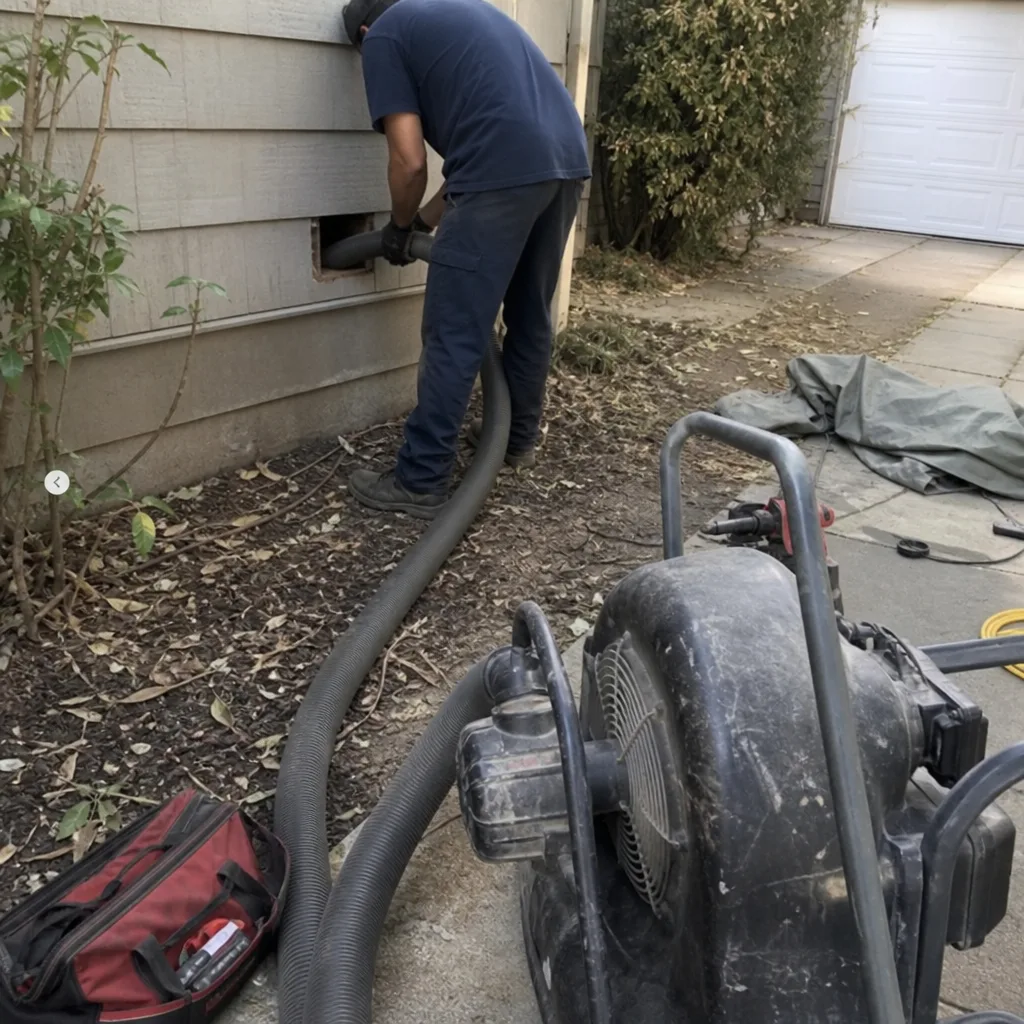 Before
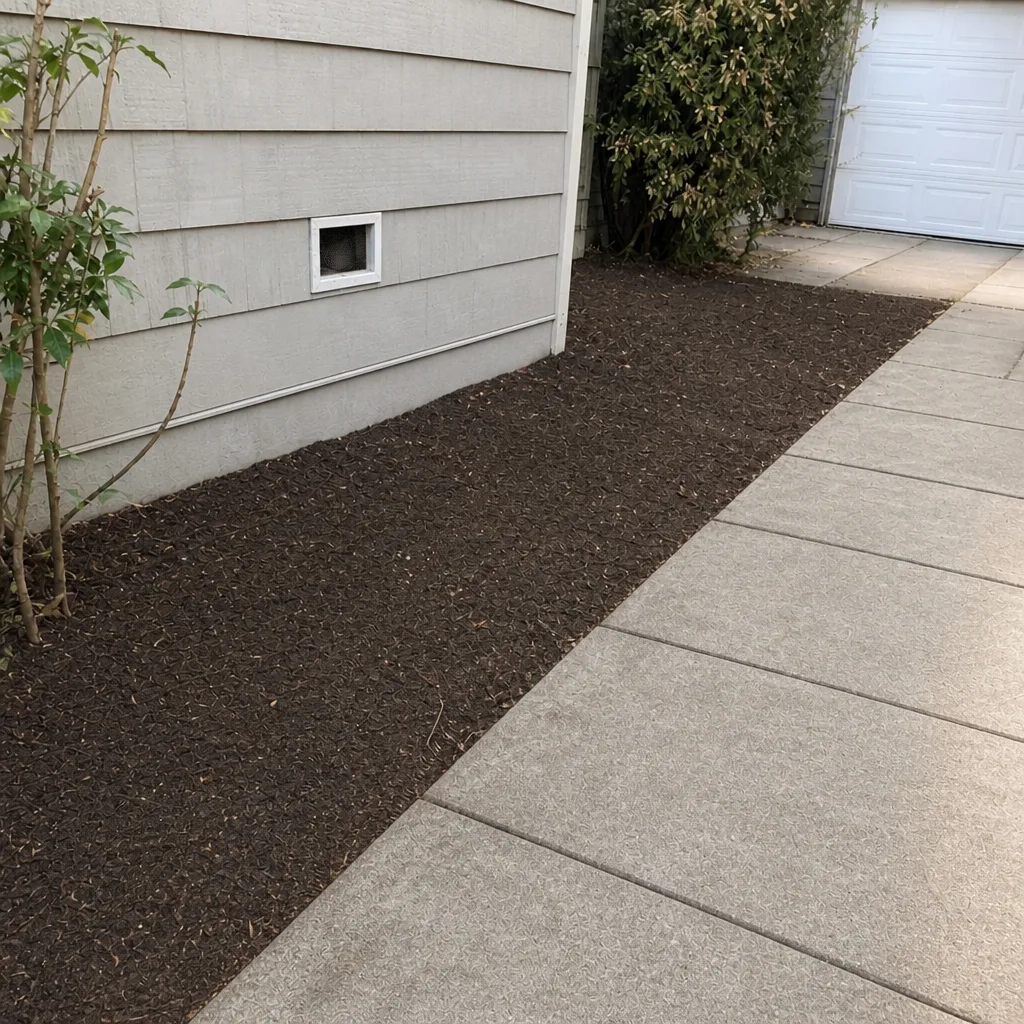 After
When to Call a Professional
Duct cleaning is not a routine chore on a calendar. It’s a targeted service, and a Washington Square homeowner should call a professional when there’s a specific reason: a recent renovation that released drywall dust into the air handler; a new baby in the house and a wish to reduce what’s circulating; persistent musty odors when the system runs; allergy symptoms that flare when the HVAC is on; visible dust streaks or debris at registers; a home inspection that flagged the ductwork; or a dryer that’s taking noticeably longer to dry a load. Each of those is a real signal that the system needs attention, and none of them is something to solve with a shop vac and a ladder.
If any of that sounds familiar, Air Duct Cleaning Washington Square offers free estimates in Washington Square – call (877) 792-6053. We answer 24/7. Fast dispatch from 7am to 7pm, Sunday through Friday.
Frequently Asked Questions
Go to the NADCA website directly and use its “find a member” search tool, entering the company’s name or your zip code. If the company isn’t listed but claims membership, ask directly which individuals hold ASCS certification and how the company is affiliated. A real NADCA member will have an answer; a facade won’t.
ASCS (Air Systems Cleaning Specialist) is an individual certification that requires passing a written exam covering HVAC systems, cleaning methodology, containment, safety, and the ACR standard. “NADCA-certified” is sometimes used loosely; ASCS is the specific credential to ask about. Ask which technicians hold it and whether one will be on your job.
Neither category is inherently better. The right question is: what equipment does the company use, what method does it follow, and are its technicians certified? A Washington Square independent that owns proper equipment and staffs ASCS-trained people will outperform a poorly run franchise location, and vice versa. Compare on those three features, not on brand name.
Because the scope is smaller, the equipment is cheaper, or the “cleaning” doesn’t include the trunk lines and air handler. A very low quote for “whole-home cleaning” often turns into a larger invoice on site when the technician arrives. Ask for a written scope listing components and a flat price per system before you book.
Ask for before-and-after photographs of your own duct interiors, and be present for the final inspection. A serious provider treats documentation as part of the service. If the company doesn’t offer interior photos, no amount of verbal description substitutes for the proof.
It often helps, but only when the source is actually inside the ductwork or air handler. Cleaning removes accumulated dust, debris, and biological material; sanitizing treats surfaces; and addressing filtration (with Aprilaire or Honeywell products, for example) reduces what comes back. If the source is mold in the coil or humidity in the system, cleaning alone is a temporary fix.
The Bottom Line
“Brand” in air duct cleaning means much less than most Washington Square homeowners assume. The signals that actually matter are equipment (Rotobrush rotary brush, Nikro negative pressure, Abatement Technologies for contamination-level work), documentation (written scope, before-and-after photos, one flat price per system), and certification (NADCA membership, ASCS-trained technicians you can verify). Franchise name recognition and pooled review counts tell you about marketing, not method. Ask about equipment and certification before you ask about price. If a company can’t name its equipment or the certifications its people hold, you already know the answer. For a free written estimate and a scope that names the components, call Air Duct Cleaning Washington Square at (877) 792-6053. We answer 24/7. Fast dispatch from 7am to 7pm, Sunday through Friday.
Written by the team at Air Duct Cleaning Washington Square.