
Last updated November 25, 2026
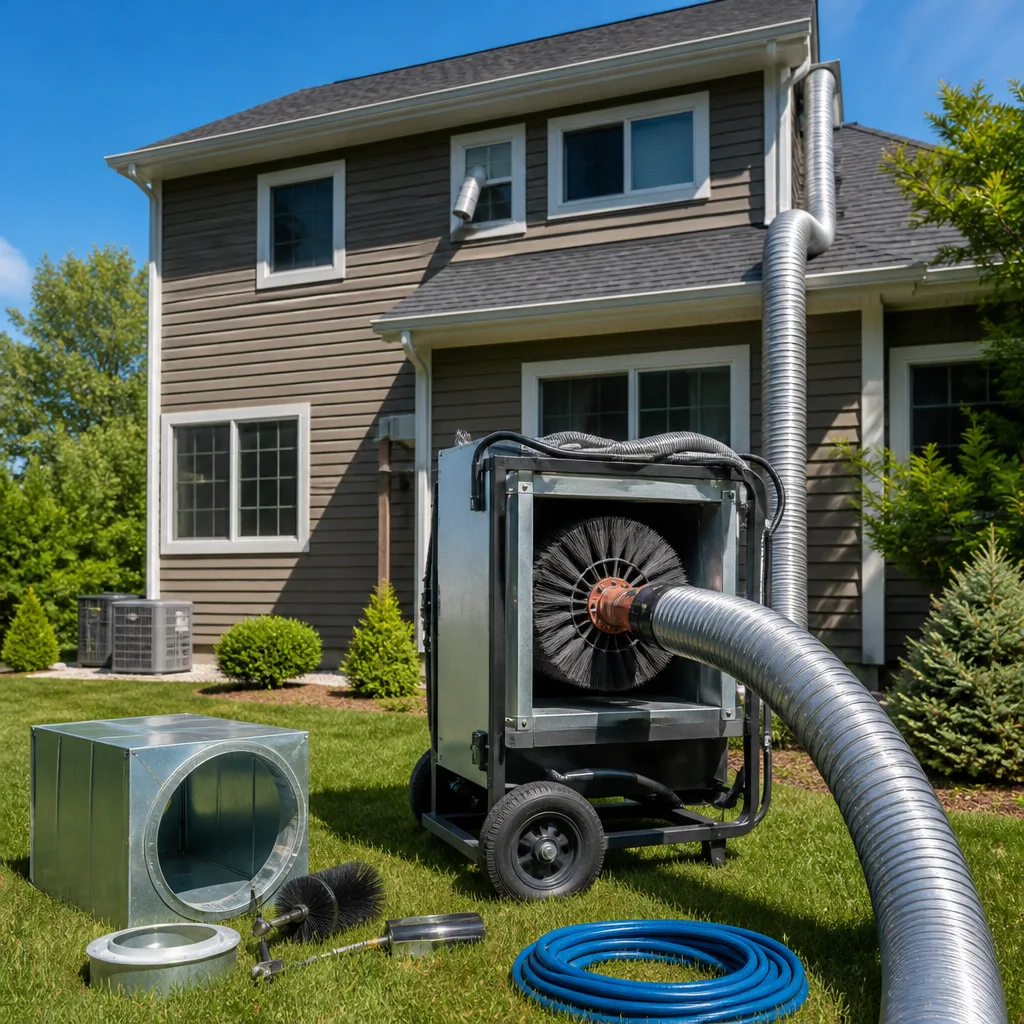 Whole-home duct cleaning
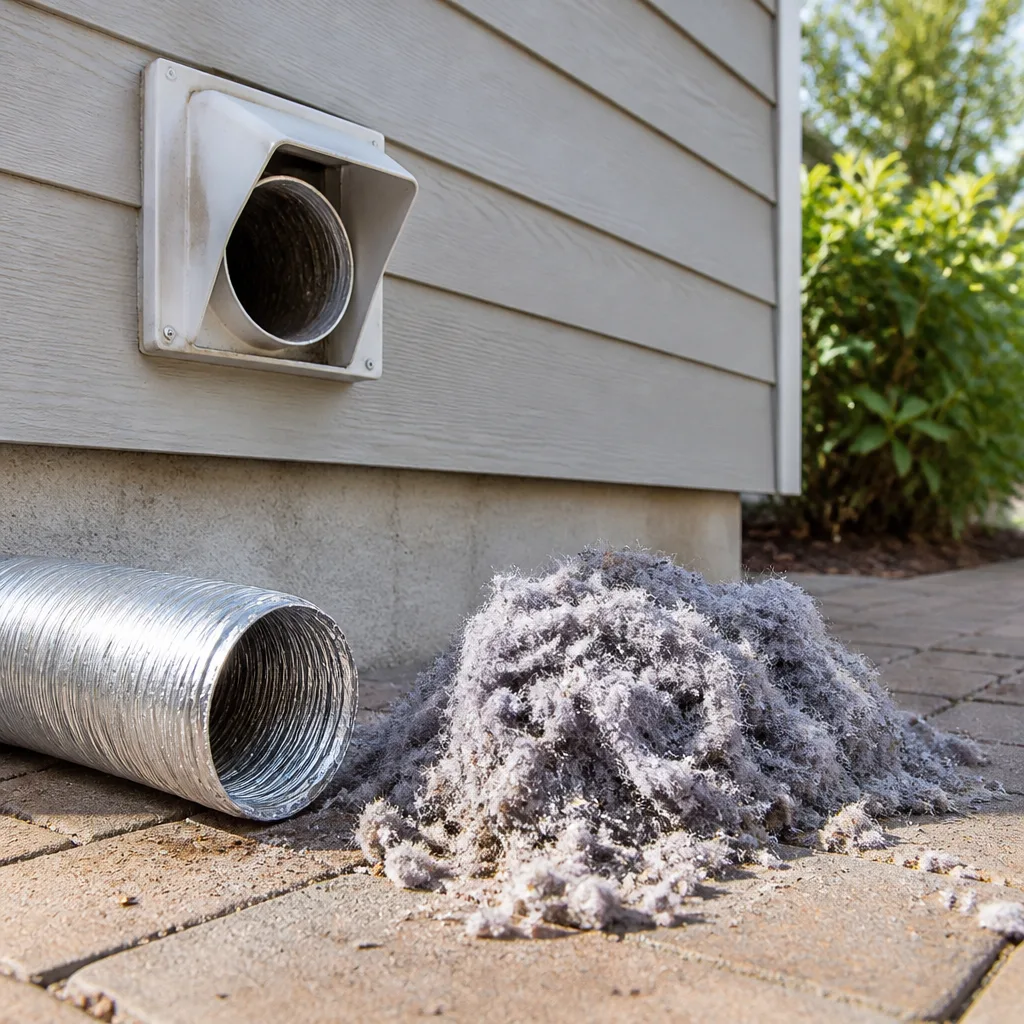 Dryer vent cleaning
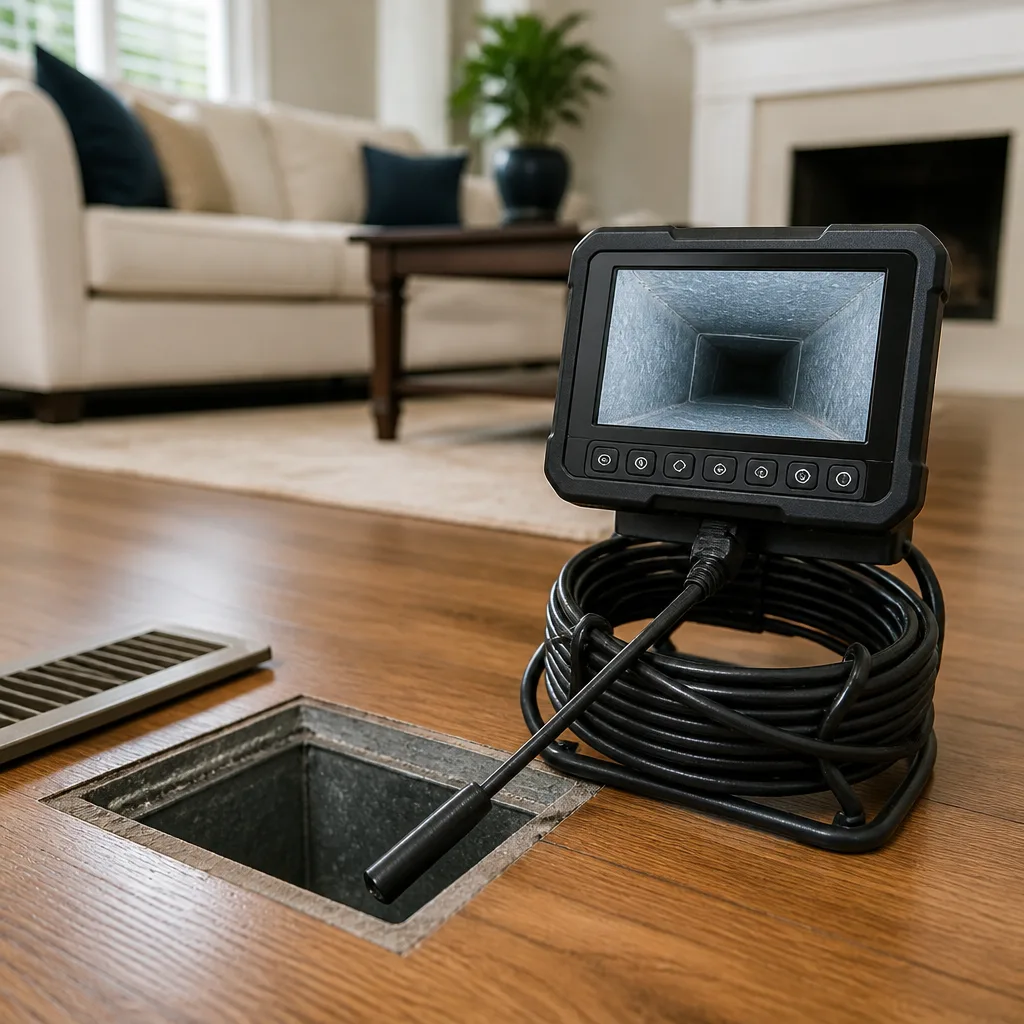 Camera inspection
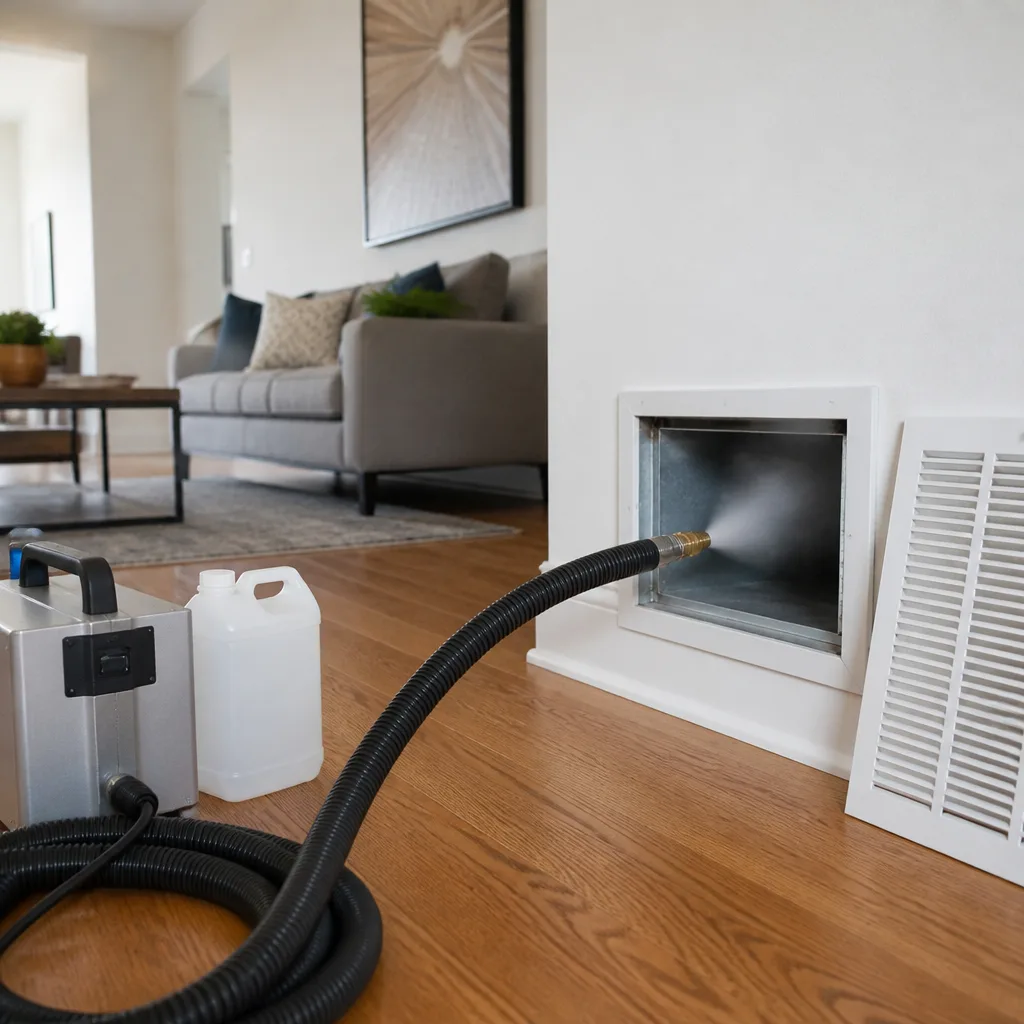 Sanitizing & deodorizing
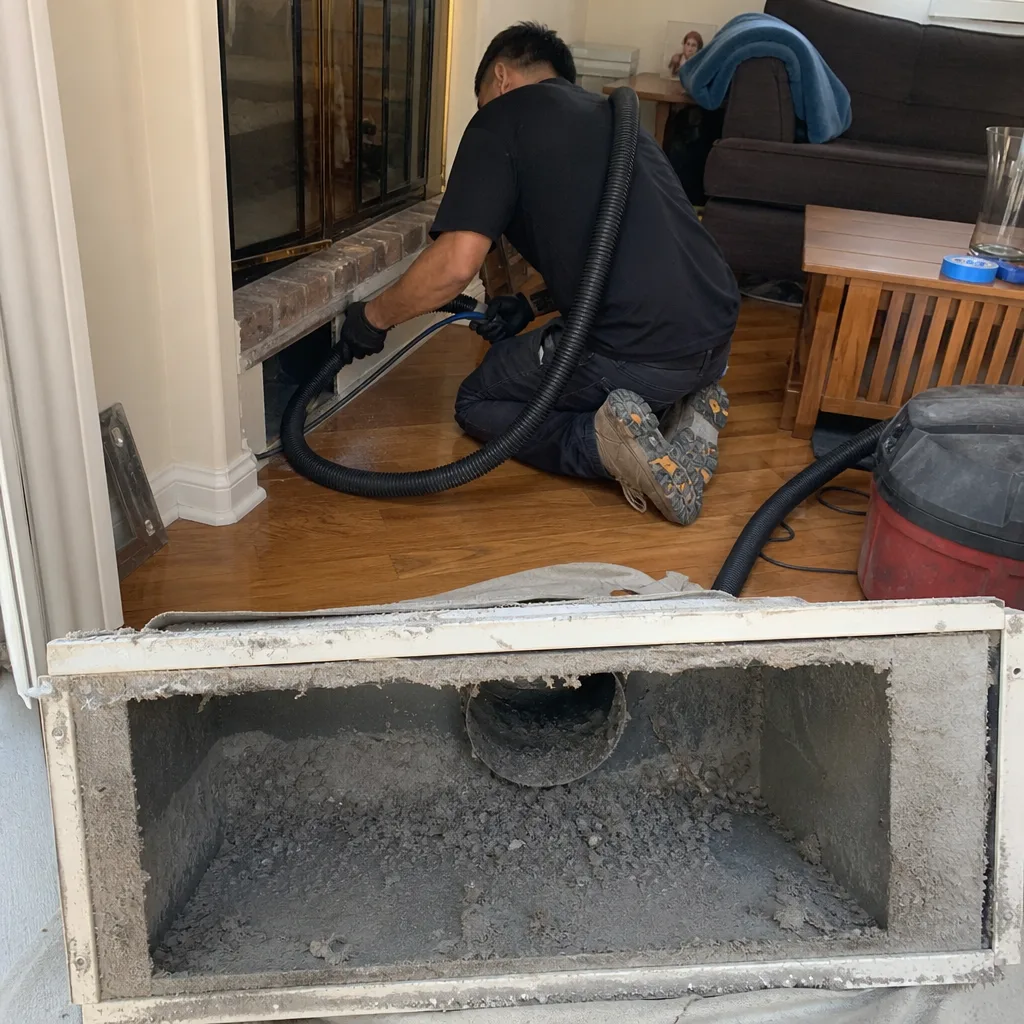
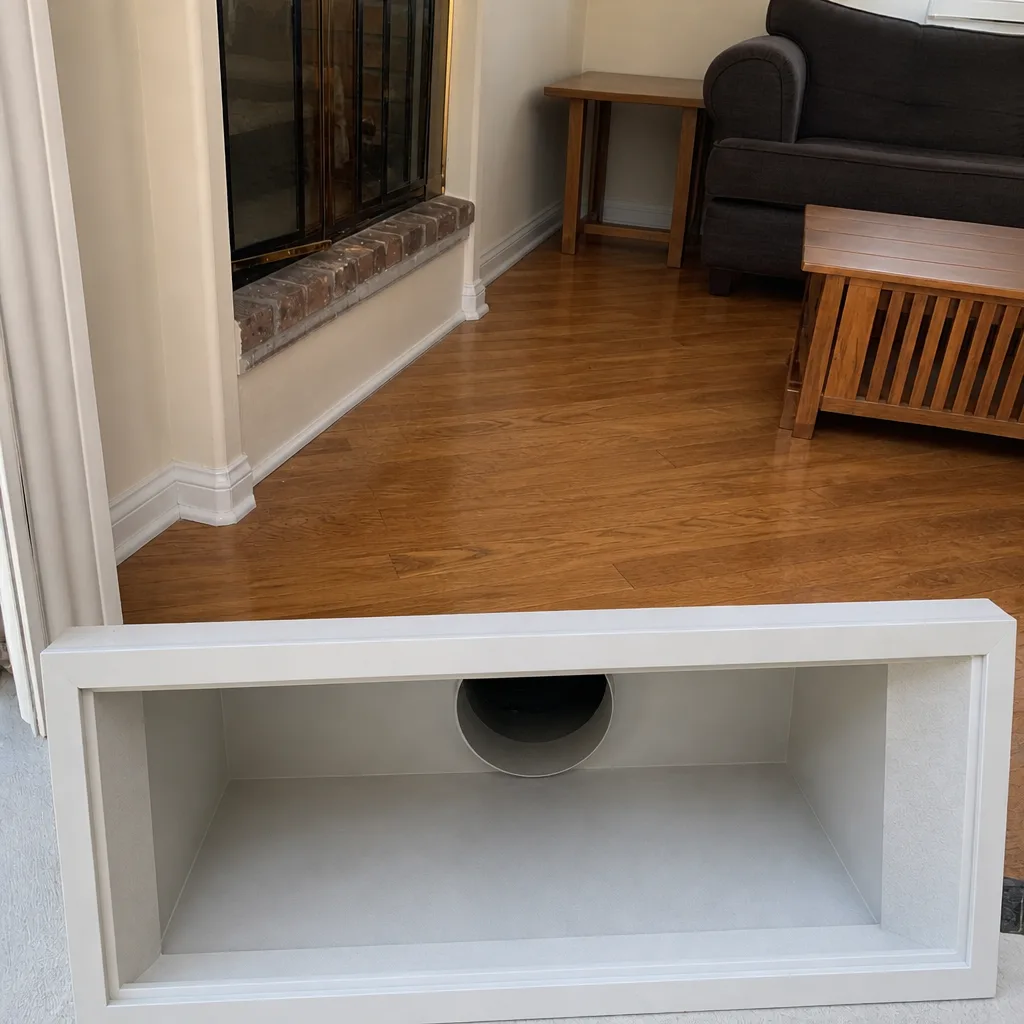
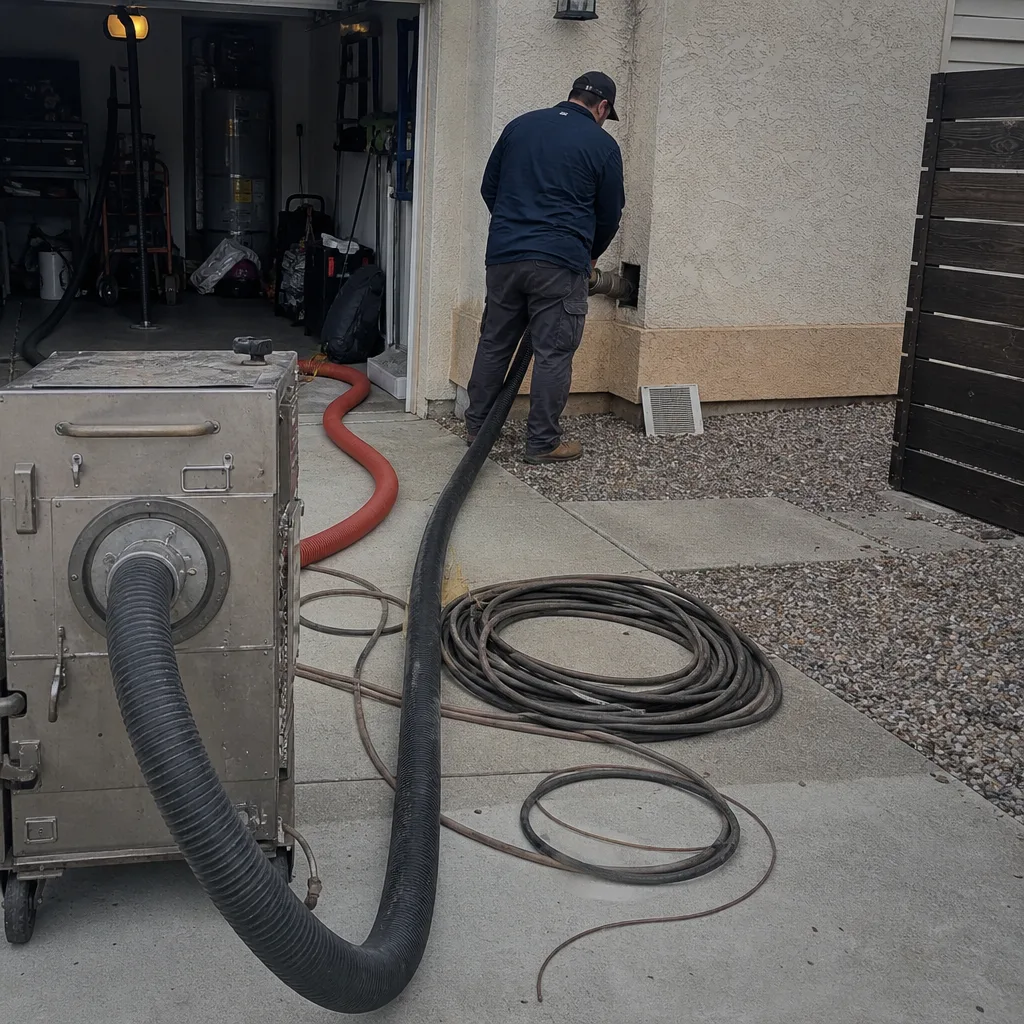
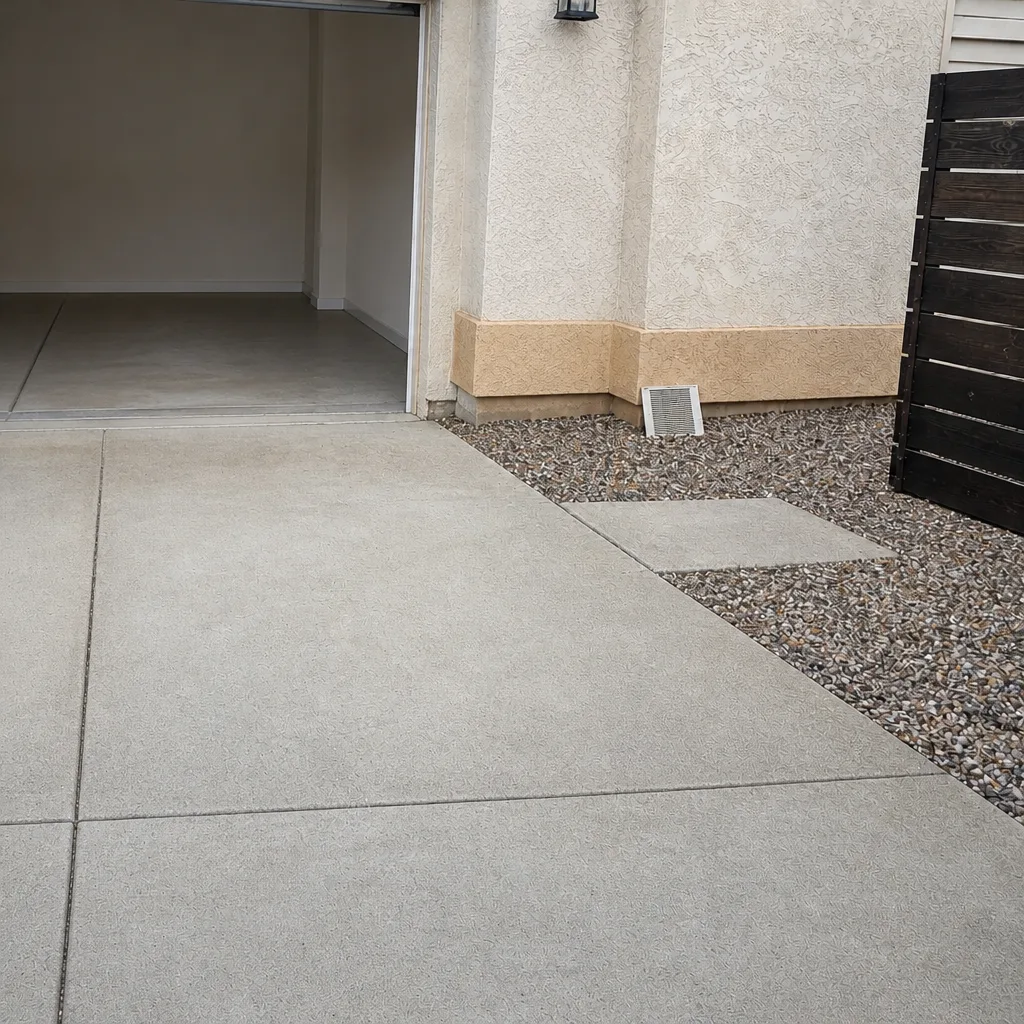
Whole-system duct and dryer vent check with before-and-after photos - you see exactly what came out of your vents
That "$99 whole-house special" is a bait ad - the real number appears once they are in your hallway, or the "clean" is a shop-vac at the register. We photograph the inside of your ducts before and after instead.
Air Duct Cleaning Warning Signs: A Washington Square Homeowner’s Reference Guide
Most duct problems in Washington Square don’t announce themselves. They arrive as a vague allergy that won’t quit, a bedroom that never quite warms up, or a bill that creeps higher each season. A homeowner here once called us convinced their aging furnace was failing. The furnace was fine. A disconnected return duct in the crawlspace had been pulling air from under the house, and the energy bill was simply the last symptom to show. This guide maps each quiet warning sign to the cause behind it, so you can read your own system before it costs you more.
Quick Answer
Air duct cleaning warning signs in Washington Square include visible dust rings around registers, a musty smell when the system first starts up, rooms that never match the thermostat, and allergy symptoms that worsen in specific rooms. These point to pressure problems, microbial growth in the ductwork or coil, disconnection, or a localized contamination source. Any two of these signs appearing together is a fair prompt to get the system inspected.
Styles & brands we work with
- Whole-home duct cleaning
- Dryer vent cleaning
- Camera inspection
- Sanitizing & deodorizing
Table of Contents
- Turning Symptoms Into Causes
- Dust Rings Around Registers
- Musty Odor on First Startup
- Uneven Room Temperatures
- Allergy Symptoms in Specific Rooms
- What Washington Square’s Older Housing Stock Adds
- The 60-Second Return Grille Inspection
- Warnings That Mean More Than Cleaning
- The Documentation Habit
- Frequently Asked Questions
Turning Symptoms Into Causes
The reason duct problems hide so well is that they look like other things. A homeowner attributes a dusty house to living near a busy street, or a cold back bedroom to old windows, or a musty smell to a damp bathroom, and none of it points them toward the ductwork overhead. Mapping the symptom to its usual cause is the fastest way to stop guessing.
- Dust rings or streaks around supply registers: usually a supply pressure issue or air leaking at the boot where the duct meets the floor or wall.
- Musty smell on first startup: often microbial growth in the cooling coil, the drain pan, or the interior liner of the duct.
- One or two rooms that never reach temperature: typically a disconnected, kinked, or blocked run rather than a failing system.
- Allergy symptoms that flare in a particular room: points toward a localized contamination source feeding that register.
- Higher filter loading than expected: suggests dirt is bypassing the filter and moving through the system.
- Visible debris blowing from a register: a sign that bulk material has collected inside the duct and is being carried into the room.
None of these are conclusive alone. In our experience, two or more showing up at once is when a proper inspection earns its keep. The good news is that diagnosing a system is a method, not a mystery, and it starts with the simplest check in this guide. For the full service picture, this is what air duct cleaning actually involves.
Dust Rings Around Registers: What They’re Telling You
A dark ring or streak around a ceiling or floor register is air leaking where it shouldn’t, and it’s one of the most common things we see when we pull a register cover in Washington Square. The ring forms because air is escaping at the seam between the duct boot and the drywall, floor, or wall surface. That leaking air carries fine dust, and over months it deposits at exactly the gap it’s escaping from. The dirt ring is a map of the leak.
Three things sit behind a dust ring:
- A loose boot or unsealed seam. The duct reaches the register but the final connection was never sealed or has pulled free.
- Supply pressure too high in that branch. If the system is pushing too much air through one run, it forces its way out at the weakest point.
- A filter that’s been bypassed or neglected. When a filter loads up or is the wrong size, dirt slips past it and lands in the ducts, then reappears at the registers.
Sealing the boot and balancing the pressure stops the ring from returning. Cleaning the register without fixing the cause just lets it come back. This is one of the reasons we clean the system and then seal it, so what’s inside stays where it should. If you’re trying to tell dirt from wear, register condition is also a useful checkpoint in the seasonal HVAC cleaning process.
Musty Odor on First Startup: Microbial Growth Where It Matters
That first breath from the vents when the system kicks on should smell like neutral air. If it smells wet, musty, or like a damp basement, there’s microbial growth somewhere in the system, most often on the cooling coil, in the drain pan, or along the interior surface of the duct. The system then distributes a small amount of that smell every time it runs.
Moisture is the root of it. Coils stay wet between cycles, drain pans hold a film of water, and interior duct surfaces that stay cool can host condensation. In a mild climate like ours, the cooling season is long, which means the coil spends more time wet and the window for growth stays open. Once growth is established, it doesn’t clear on its own, and cleaning the air return alone won’t touch the coil.
This is where equipment matters. Rotobrush rotary-brush systems physically agitate the interior surface of the duct rather than blowing loose debris around, and Nikro negative-pressure equipment holds what’s pulled out so it leaves the house instead of moving room to room. For contamination-level situations, Abatement Technologies tools are built for the scenario. After cleaning, a Guardsman-grade sanitizing product treats interior surfaces. If the smell has a real foothold, coil cleaning and sanitizing are part of the visit, not a separate trip. And because we handle the coil and duct together, you aren’t left to call a second company for the part the first one skipped.
Uneven Room Temperatures: Disconnection, Kinking, and Blockage
A back bedroom that never matches the thermostat is one of the most misdiagnosed signs in Washington Square homes. Homeowners assume the furnace or air conditioner is underperforming, or that old windows are at fault. Often the equipment is doing exactly what it’s told, and the problem is one branch of the ductwork no longer delivering.
The usual culprits:
- A disconnected run. A joint in the crawlspace or attic has pulled apart, and the air is dumping into the void instead of the room.
- Sagged or kinked flex duct. Flexible duct that dips or bends sharply can pinch off airflow over length, starving the farthest room.
- A collapsed or blocked register boot. Dust buildup or a poorly fitted connector closes off the terminal end.
- An unbalanced damper. One branch is shut down or over-restricted, and the rest of the house absorbs the difference.
A given room that’s always cold or always warm, while the rest of the house is comfortable, is a strong hint that the run to that room is the issue, not the whole system. Finding and fixing a disconnect is exactly the kind of repair that cleaning tends to expose. Duct repair and sealing are part of our scope, so a cleaning that turns up a pulled connection gets fixed in the same visit rather than becoming a follow-up call. If you’ve been assuming that room is just a cold room, it’s worth checking what’s actually behind the register.
Allergy Symptoms in Specific Rooms: Following the Source
When allergies act up everywhere, the whole house is the suspect. When they act up in one or two rooms, the source is usually local, and the room is pointing at it. Pay attention to which rooms make symptoms worse and when. A bedroom that’s worse in the morning can mean particulates are settling overnight and being stirred when the system runs. A home office that’s worse after a renovation suggests construction dust that went into the ductwork and stayed.
Localized contamination typically comes from one of these places:
- A single contaminated branch that collected renovation dust, pet hair, or debris from a specific room.
- Fiberglass liner deterioration in an older run, where the inner lining is shedding into the airstream.
- Rodent activity in one section of duct, which concentrates debris and odors in that area.
- A register near a source pulling from a room with recent work or excess moisture.
Documenting which rooms flare and when is far more useful than trying to guess. Note the room, the time of day, and any recent work done in that space. That pattern gives a technician the fastest path to the section that’s contaminated, instead of cleaning the whole house on a hunch. When the concern goes beyond simple debris, finer air quality measures may be the answer, and this is where whole-home solutions from Honeywell and Aprilaire come in.
What Washington Square’s Older Housing Stock Adds
The warning signs shift with the age of the house. Washington Square has plenty of homes built from the 1970s through the 1990s, and each era left its own signature in the ductwork. Knowing the era tells you what to watch for before symptoms even appear.
- Fiberglass duct liner deterioration. Homes from the 1970s through the 1990s often used interior fiberglass liner for insulation. Over time the liner can fray and shed fibers into the airstream, so a dust plume or itchiness near registers is worth investigating closely.
- Flex duct sagging and kinking. Longer runs often ran through the attic or crawlspace where they sag, and a sag can trap moisture and starve airflow simultaneously.
- Original mastic sealant failure. The original sealant at joints and boots has a service life, and once it dries and cracks, leaks develop at every seam. You’ll often spot the leaks first as dust rings at the registers.
For older homes, the practical takeaway is that a visual inspection should happen on a schedule, not only after symptoms appear. Aging liner, sagging flex, and failed sealant are all slow problems that give you warning. For a fuller look at the residential workflow, the details behind air duct cleaning Washington Square walk through each step from first inspection to final seal. And no matter what the house’s age, dryer vent cleaning is a fire-prevention appointment, distinct from the air system and worth checking on its own. More on that here: dryer vent cleaning.
The 60-Second Return Grille Inspection
You can learn a surprising amount about your system in under a minute, standing at the return grille, no tools required. Do this once a season and write down what you see. It gives you a baseline, and baselines are what make future changes visible.
- Look at the filter. Note the loading, meaning how evenly and heavily dust covers the face. A filter that’s loaded in one corner only is a hint that airflow is uneven.
- Look behind the grille. If you can remove the cover safely, shine a light into the duct. Debris piled against the inside of the grille means material is reaching the return before the filter catches it.
- Check the grille itself for dust. Heavy, uniform dust on the grille face points toward filter bypass. An even coating means dirt is getting past the filter or through a gap.
- Smell the air at the grille. A musty or dusty smell when the system is off is a sign of interior contamination.
- Listen at startup. A whistle or rush of air that wasn’t there before can indicate a leak or a new restriction.
This check tells you if dirt is reaching the filter, if it’s bypassing it, and if interior contamination is present, before a single room shows symptoms. It also gives the technician a starting point. If you find debris behind the grille, call us. Don’t reach into the duct yourself: some ductwork contains liner fragments or sharp metal edges, and a contaminated section is best examined with proper negative-pressure equipment.
Warnings That Mean More Than Cleaning
Not every sign is a cleaning job, and an honest inspection needs to say so. Some of what we find in Washington Square homes points toward a different professional altogether, and it’s better to name that than to paper over it with a cleaning visit.
- Fouled HVAC coil. A coil with heavy biological or debris buildup may need mechanical cleaning and, in severe cases, replacement. That’s an HVAC technician’s job, not a duct cleaner’s. If the coil is the problem, cleaning the ducts without addressing the coil leaves the source in place.
- Rodent activity. Droppings, nesting material, or gnaw damage in the duct is a pest-control problem before it’s a duct problem. Handle the infestation first, then clean and seal the ductwork.
- Asbestos-wrapped ductwork. In older homes, duct insulation may contain asbestos. It cannot be disturbed by cleaning. Leave it alone and consult a licensed asbestos abatement professional before any work touches that section.
These are exactly the situations where equipment and scope matter. When contamination goes beyond everyday dust, Abatement Technologies tools are the ones that work at that level, and the choice of gear is what lets a visit go beyond a surface pass. Our technicians have up to 8 years of experience, and knowing when to stop and hand a problem to the right specialist is part of the job. A properly equipped visit will name the problem and tell you what it needs.
The Documentation Habit
Warning signs are only useful if you know what “normal” looked like before they appeared. That’s what makes photographing your system a genuinely practical habit, not a fussy one. A handful of photos and a short log give any future inspection a baseline it wouldn’t otherwise have.
A simple habit covers most of it:
- Photograph each register at the start of each season. The same angle, the same light, so any new dust ring is obvious.
- Write the date on your filter changes. A filter that loaded fast and heavy in one season is a story worth being able to tell.
- Note which rooms flare and when. Keep a running list on your phone: room, symptom, time of day, and any recent work done nearby.
- Keep your inspection notes together. One folder or pinned note makes the history usable in a single glance.
When the signs do show up, this record answers the first questions a technician would ask: how long has the smell been there, when did the dust rings start, and is the filter loading faster than usual. That’s the difference between a guess and a diagnosis, and it’s how you recognize a problem while it’s still small. Before-and-after photos of your own system during the visit close the loop, so you can compare the change against your own baseline.
See the difference
 Before
 After
 Before
 After
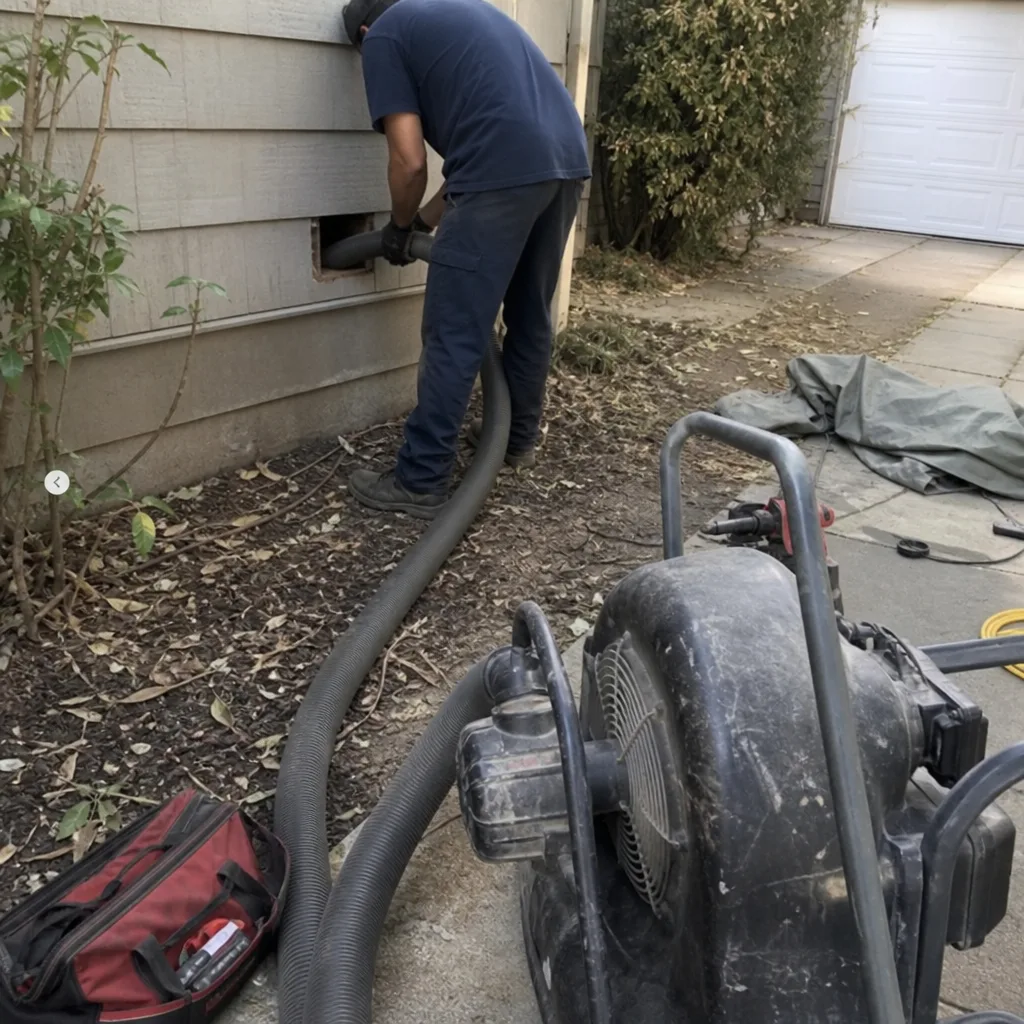 Before
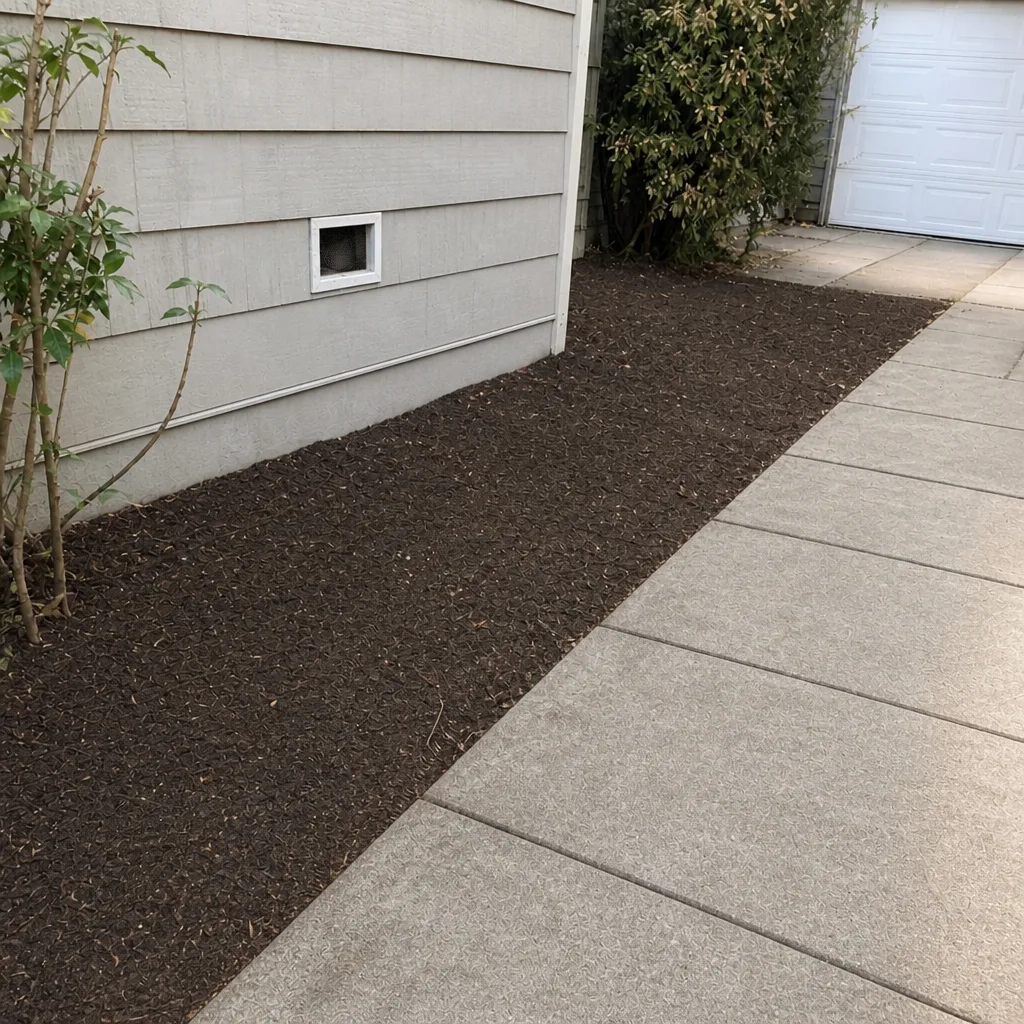 After
Common Mistakes to Avoid
- Assuming every dusty house needs a cleaning. Sometimes the problem is a disconnected duct leaking air into the crawlspace, and cleaning the ducts does nothing about it. Diagnose the cause first, then decide the fix.
- Choosing the cheapest quote on the flyer. A cheap job often means a quick pass with a shop vacuum and no negative-pressure equipment, which stirs debris rather than containing it. Ask what machine they’ll use before you agree.
- Hiring a duct cleaner to handle an HVAC problem. If the coil is fouled or the system is failing, the cleaning is the smaller half of the problem. Scope matters, and a good contractor will tell you when it’s not their job.
- Ignoring a musty smell because the house is old. Old houses do have character, but a musty smell is a sign of moisture and growth, not charm. It’s worth tracing to the coil or the duct liner.
- Cleaning around an asbestos-wrapped duct. In older Washington Square homes, some duct insulation may contain asbestos. A cleaning pass can disturb it. This one requires an abatement professional first.
- Fixing the leak without sealing it. Removing dust at a register without sealing the gap behind it means the dust ring returns in a few months. The repair should include the seal.
- Skipping the documentation. Without photos and filter dates, every new symptom is your first symptom. A baseline is what makes warning signs readable.
When to Call a Professional
Some signs are worth a call, not a second look. If you pull a register and see debris or a plume, if the smell at startup has stayed for weeks, if one room consistently misses temperature while the rest of the house is fine, if allergies flare in a single room, or if you’ve done a renovation and the house has never felt the same since, it’s time to have the system inspected. So is any sign of rodent activity or a coil that’s clearly fouled. One flat price per system, agreed before work starts, and before-and-after photos of your own ducts are how a visit should be run. Air Duct Cleaning Washington Square offers free estimates in Washington Square. Call (877) 792-6053. We answer 24/7. Fast dispatch from 7am to 7pm, Sunday through Friday.
Frequently Asked Questions
The price is set per system, not per vent, and it’s given as a written estimate before any work begins, so you know the total in advance. Whole-system cleaning runs higher than a single-surface pass because it includes the coil, the returns, and the sealing that keeps the ducts clean after the visit. A free estimate at your home is the only way to get an accurate number for your system. Call (877) 792-6053 for an exact quote – estimates are free.
Cheaper quotes usually skip the equipment that makes a real cleaning possible. A fast pass with a repurposed vacuum, no negative-pressure containment, and no seal at the joints can leave more debris behind than it removes, and often the fix isn’t sealed so the dust returns. The honest cost of doing it properly shows up on the estimate. Ask what machine they’ll use, and ask whether the joints get sealed afterward. If the answer is vague, that’s your answer. Call (877) 792-6053 for a free estimate.
You see it. Before-and-after photos of your own ducts, taken during the visit, are the clearest record, along with the technician showing you the debris removed. That’s why documenting your system before a visit matters so much: it lets you compare the change against your own baseline instead of taking anyone’s word. Call (877) 792-6053 for a free estimate.
Most Washington Square homes don’t need a cleaning on a fixed schedule. What matters more is the condition of the system and the signs: dust rings, musty odor, uneven rooms, or a recent renovation that put dust into the air. If you see no signs and your filter loads at a normal pace, you can wait. If you see the signs from this guide, get it inspected. Call (877) 792-6053 for a free estimate.
It means moisture is feeding microbial growth inside the system, most often on the cooling coil, in the drain pan, or on the interior duct liner. Cleaning the air returns won’t touch the coil, so the smell returns unless the source is cleaned. This is why coil cleaning and sanitizing belong in the same visit as duct cleaning. Call (877) 792-6053 for a free estimate.
Yes. A disconnected run dumps conditioned air into a crawlspace or attic instead of into the house, and the system works harder to make up for it. One of the quietest signs is a bill that climbs while nothing about the equipment changed. It’s the kind of thing a visual inspection catches. Call (877) 792-6053 for a free estimate.
The Bottom Line
Duct problems in Washington Square rarely announce themselves. They show up as dust rings, a musty startup smell, one room that never warms, or allergies in a single room, and the diagnosis is reading those signs before the system costs you more. Check the return grille, watch the register, log your filter dates, and let the age of your house tell you what to watch for. If you see the signs, get an inspection. One flat price per system, agreed before work starts. Call (877) 792-6053. We answer 24/7. Fast dispatch from 7am to 7pm, Sunday through Friday.
Written by the team at Air Duct Cleaning Washington Square.