
Last updated November 25, 2026
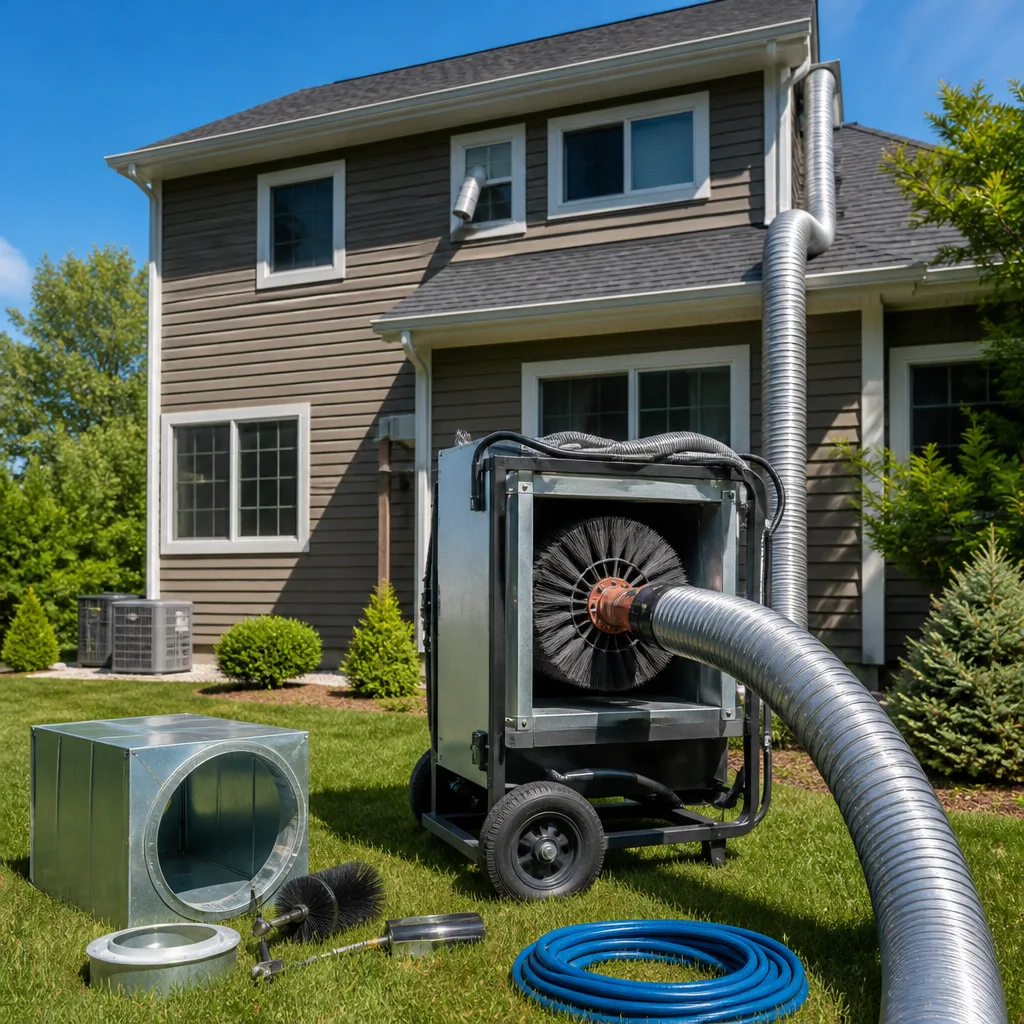 Whole-home duct cleaning
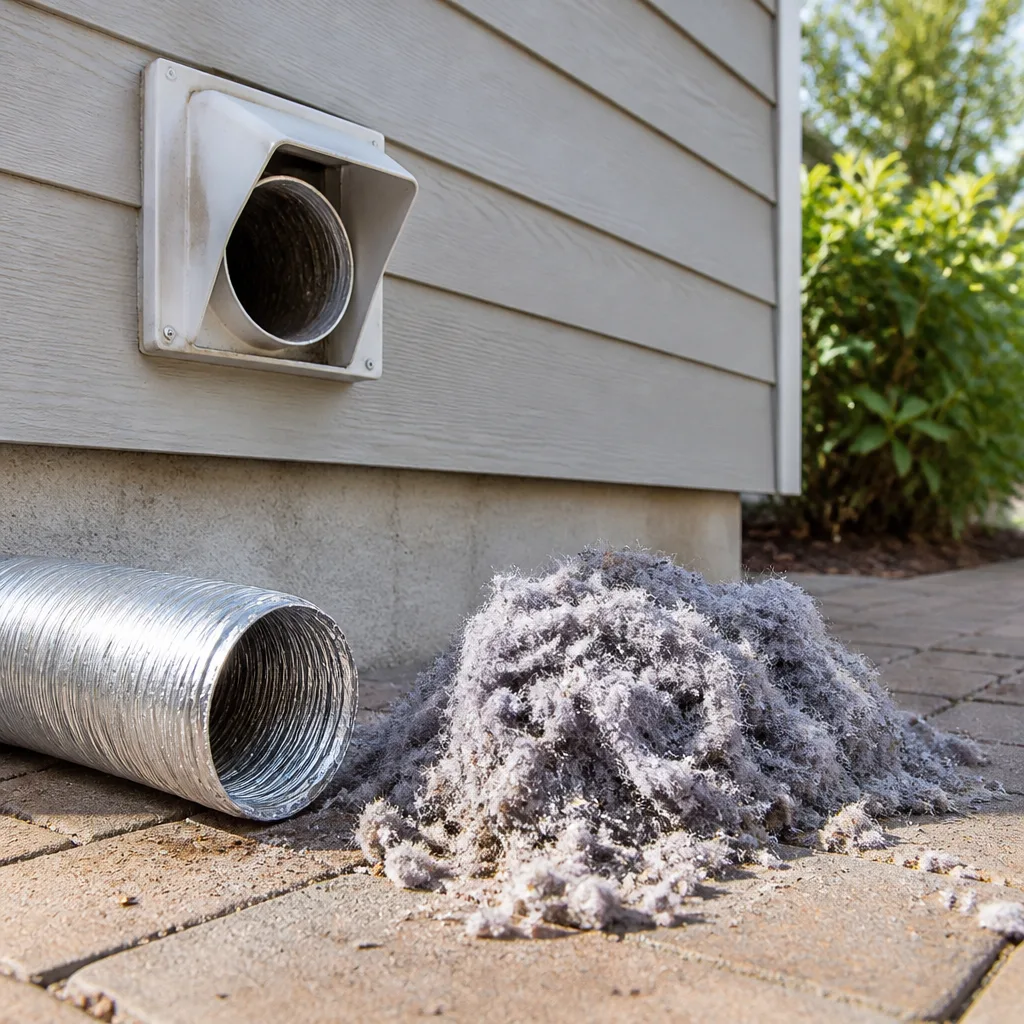 Dryer vent cleaning
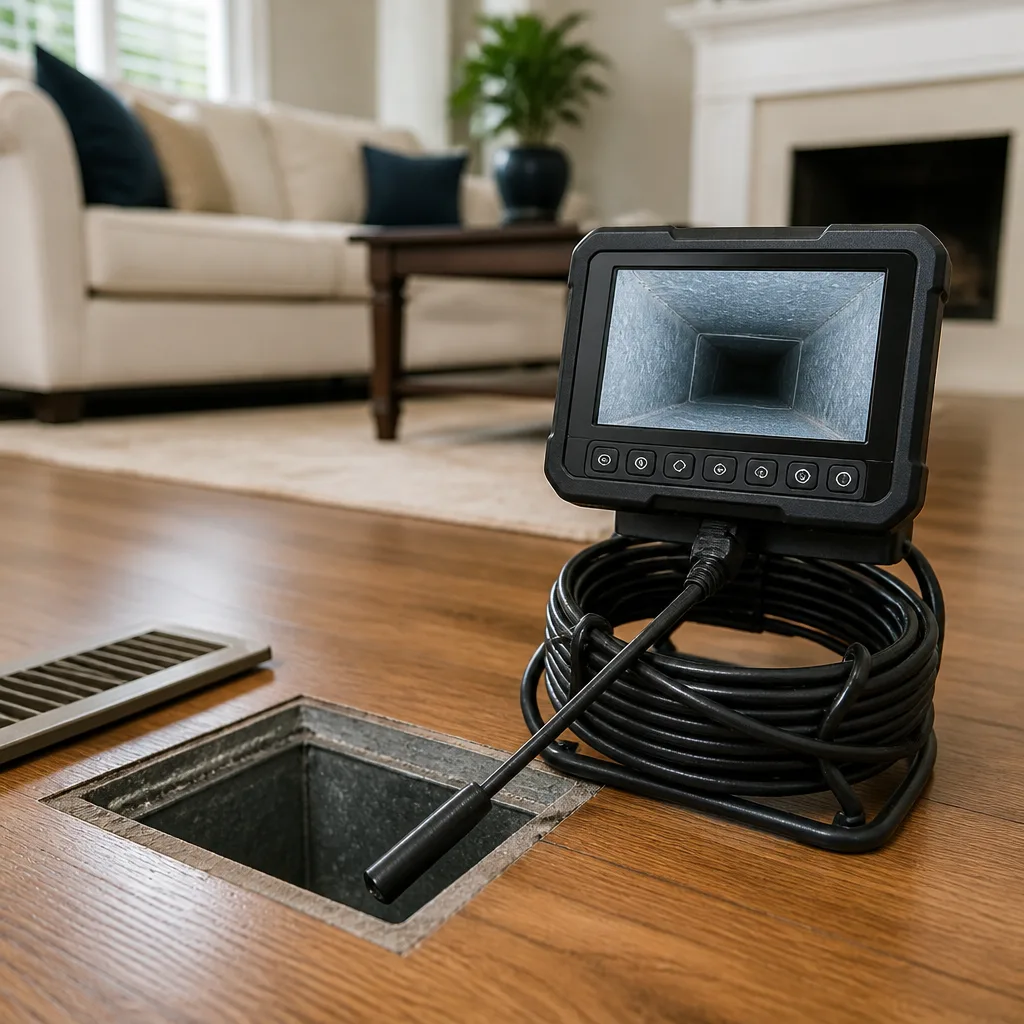 Camera inspection
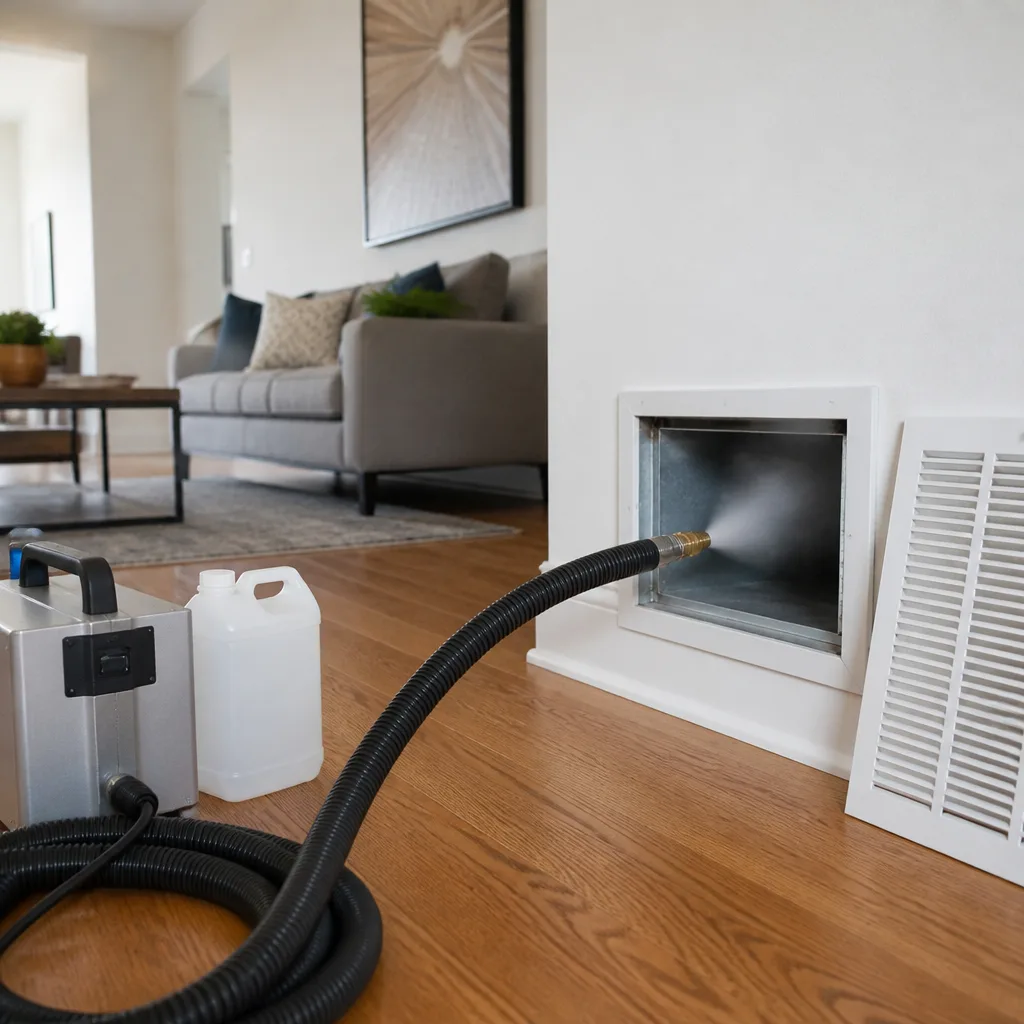 Sanitizing & deodorizing
Whole-system duct and dryer vent check with before-and-after photos - you see exactly what came out of your vents
That "$99 whole-house special" is a bait ad - the real number appears once they are in your hallway, or the "clean" is a shop-vac at the register. We photograph the inside of your ducts before and after instead.
Air Duct Cleaning Maintenance Checklist for Washington Square Homeowners
Replacing the filter every 90 days is the default advice. It’s also wrong for about half the homes we inspect in Washington Square. A two-dog household on a slab foundation with a 1970s flex duct system has almost nothing in common with a rental condo that sits vacant eight months out of the year, yet both get handed the same calendar-based schedule. Ducts don’t age on a clock. They age on construction type, occupancy, and what’s happening around them. This checklist is decision-based. By the end you’ll know which branch of the checklist your home falls into, what triggers an early cleaning, and what to document between visits so the next professional walkthrough takes ten minutes instead of an hour.
Quick Answer
Air ducts in Washington Square need professional cleaning every 3 – 5 years in most homes, but that window shifts based on duct material (flex ages faster than sheet metal), construction type, pets, and renovation activity. A home with recent construction dust, water intrusion, or pest activity should be cleaned immediately rather than waiting for a calendar date. Between visits, homeowners should check register airflow, inspect return grilles visually, and log filter loading rate so any change is caught early.
Styles & brands we work with
- Whole-home duct cleaning
- Dryer vent cleaning
- Camera inspection
- Sanitizing & deodorizing
Table of Contents
- How Duct Age and Material Change Your Schedule
- Construction Type and Story Count: A Branch Most Checklists Miss
- Occupancy Patterns: Occupied, Vacant, and Rental
- Triggers That Override the Calendar
- What You Can Inspect and Document Between Professional Visits
- How to Track Duct Condition Over Time: A Home Record Card
- Washington Square Environmental Factors That Speed Contamination
- Repair and Sealing: Why Cleaning Alone Is Incomplete
How Duct Age and Material Change Your Schedule
Duct material is the single biggest variable in how fast a system accumulates contamination. Sheet metal systems with taped or mastic-sealed joints hold their shape for decades and stay relatively easy to clean. Flex duct, the corrugated plastic-over-wire product that became standard from the 1970s onward, does not. The ridges catch debris, the plastic liner degrades and sheds, and the runs sag over time, which traps dust in low spots. In our experience, a flex system in Washington Square needs attention on a shorter interval than a comparable sheet metal system in the same household.
Here’s how to branch your schedule by material:
- Sheet metal with mastic-sealed joints: clean every 5 years in a low-occupancy home, every 3 years with pets or allergy concerns.
- Sheet metal with taped joints: clean every 4 years, then inspect the tape at each visit – failing tape is the first sign of leakage.
- Flex duct (1980s – 2000s installs): clean every 3 years, and have the runs inspected for sagging and crush damage at each visit.
- Flex duct (older installs or unknown age): start with a cleaning and a full inspection, then let the technician set the interval based on what comes out.
- Ductboard or lined interior: clean every 3 years and confirm the lining isn’t fraying. Lined interiors that have gone soft need repair, not just cleaning.
Age matters less than condition, but condition tracks age in flex systems because the liner and the wire both fatigue. A 1970s flex install that has never been cleaned will almost always need a first cleaning followed by a shorter re-clean interval, usually 2 years, while the system stabilizes. After that it settles into a normal rhythm.
Construction Type and Story Count: A Branch Most Checklists Miss
A single-story ranch and a three-story townhome in Washington Square have fundamentally different duct systems, and the difference changes the maintenance checklist. A single-story home typically runs a trunk-and-branch layout through the attic or crawlspace. Any leakage in that trunk dumps conditioned air into unconditioned space, which pulls unfiltered air back into the return side. A multi-story townhome usually runs vertical chases between floors. Those chases can’t be reached without cutting, so the internal condition has to be inferred from what the equipment extracts at the registers.
Single-story homes
- Inspect the trunk in the attic or crawlspace at every cleaning. Loose joints here are the most common source of recontamination.
- Look for insulation damage where the duct passes through unconditioned space. Compressed insulation means condensation and, eventually, mold growth inside the duct.
- Clean every 3 – 4 years unless a trigger fires earlier.
Multi-story homes and townhomes
- Ask the technician to note return-side pressure readings before and after cleaning. A big improvement means the chases were restricted.
- The top-floor runs collect the most because they run the longest and lose the most static pressure. Focus the documentation there.
- Clean every 3 years. Vertical chases trap more debris than horizontal runs because gravity works against the airstream.
Foundations matter too. Slab-on-grade homes in Washington Square often have shallow supply runs embedded in the slab or run under a thin layer of fill. Those runs stay cold in the winter and can sweat at the register boots. Sweating boots are a moisture source, and moisture is what turns ordinary dust into biological growth. If your slab home shows condensation at the registers in cool weather, shorten the cleaning interval and address the boots, not just the ducts.
Occupancy Patterns: Occupied, Vacant, and Rental
Occupancy drives dust load more directly than anything except pets. A full-time family of four generates skin cells, hair, cooking aerosol, and general particulates every day. A rental property that turns over every few years, or a vacation home that sits vacant, has a completely different profile. Both still need a schedule, but not the same one.
Full-time occupied homes
Clean every 3 – 4 years. Add a pet and it drops to 2 – 3 years. Add a recent renovation and clean immediately regardless of the last cleaning date. Full-time occupancy also means the filter is doing real work, so log the filter loading rate. If a filter that used to last 90 days is now clogging in 60, the ducts are shedding debris and the cleaning interval needs to shorten.
Rental properties
Clean at every turnover, or at least every 2 years, whichever comes first. Renters don’t maintain filters the way owners do, and the property manager inherits the consequences. A cleaning at turnover gives you before-and-after documentation that protects both the owner and the next tenant. If you manage several units, keep a record card per unit so you can compare condition across the portfolio and spot the ones that are trending dirty.
Vacant and seasonal homes
Vacancy is not a pass. A house that sits empty still draws air through the system, and in a mild-climate area like Washington Square the HVAC runs enough year-round to move dust into the ducts even with nobody home. Rodent activity is also more likely in an empty house, and rodent debris in a duct system is a contamination event, not routine dust. Clean every 4 years in a vacant home, and inspect after any extended vacancy before new occupants move in.
Triggers That Override the Calendar
Calendar intervals are a baseline. These triggers override them. When one fires, clean the system now, not at the next scheduled date.
- Recent renovation. Drywall dust, sawdust, and construction debris get pulled into the return side and settle throughout the system. In our experience, a renovation is the single most common reason a system that was clean two months ago is now loaded. Clean after the last sanding pass, before the final paint.
- Water intrusion. Any leak that reached the ducts or the boots is a mold risk. Clean, sanitize, and confirm the source is fixed. Cleaning without fixing the source is wasted work.
- Pest activity. Rodent droppings, insect casings, or nesting material in the returns call for a full cleaning plus sanitizing. This is not a filter change job.
- HVAC replacement. When the air handler or furnace is replaced, clean the ducts before the new equipment goes online. Debris from the old system will otherwise load the new blower and coil from day one.
- New baby or new allergy diagnosis. A household that suddenly cares about air quality deserves a baseline cleaning and a documented condition report so future changes can be measured.
- Persistent musty odor. Odor is a symptom. Clean, sanitize, and inspect for the moisture source that’s feeding the growth.
- Home inspection finding. If a buyer’s inspector flagged the ducts, clean and document rather than argue.
These triggers apply in Washington Square the same as anywhere, but the renovation and water-intrusion triggers fire more often here because of the age and construction mix of the housing stock.
What You Can Inspect and Document Between Professional Visits
You don’t need equipment to catch a problem early. You need a routine and a place to write down what you see. The three checks below take about ten minutes and give a technician real data on the next visit.
- Register airflow check. Hold a tissue or a strip of thin paper at each supply register while the system runs. Note which registers push strongly, which push weakly, and which barely move air. A register that’s recently gone weak is telling you a run has come loose, sagged, or clogged. Write down the date.
- Return grille visual check. Remove the return grille and look inside with a flashlight. You’re looking for dust buildup on the duct walls, visible debris, moisture staining, or anything that shouldn’t be there. Photograph what you see. Note whether the buildup is even or concentrated in one area.
- Filter loading rate. Write the install date on the filter frame in marker. When you change it, note how long it lasted and what it looked like. A filter that used to run 90 days and now runs 45 is telling you the ducts are shedding. This one number is the best early-warning signal a homeowner has.
None of these checks require opening the duct system or getting on a ladder. They’re a camera-phone-and-notebook routine. The value is the record. When a technician comes out, you hand them a log that says “register in the back bedroom went weak in March, filter life dropped from 90 to 50 days in June” and the diagnosis gets faster and more accurate.
How to Track Duct Condition Over Time: A Home Record Card
Contractors keep records. Homeowners usually don’t, which means every return visit starts from zero. A simple home record card fixes that and gives whoever shows up next something concrete to work from.
Here’s what to put on yours:
- System basics: duct material (sheet metal, flex, ductboard), approximate install year if known, number of returns, number of supplies.
- Equipment: make and model of the air handler and any air-quality products in place, including Honeywell or Aprilaire components if you have them.
- Cleaning history: date of each professional cleaning, what was done (clean only, clean and sanitize, repair, seal), and who did it.
- Filter log: install date, change date, and a quick note on condition at change.
- Trigger events: renovation dates, water intrusion, pest sightings, HVAC replacement, occupancy changes.
- Observations: the register and return notes from the previous section, with dates.
- Photos: before-and-after photos from each professional cleaning, filed by date.
A one-page card, kept near the air handler, does more for long-term duct health than any single cleaning. It lets a technician see the trend line instead of a snapshot. If you’re a property manager, this is the difference between responsive maintenance and reactive repair. We’ve seen record cards catch a failing flex run two years before it would have shown up as a comfort complaint.
Washington Square Environmental Factors That Speed Contamination
Washington Square sits close to the I-280 corridor, and that proximity shapes how fast a duct system loads with fine particulate. Freeway-adjacent neighborhoods get a steady supply of tire and brake dust, road grit, and diesel exhaust particulate that settles on exterior surfaces and gets drawn in through the return side. Homes on the near side of the corridor generally load faster than homes a few blocks removed. This is why two identical houses on the same block can need different cleaning intervals.
The local climate adds a second factor. Winters here are mild, which means the HVAC system runs cooling and heating across more of the year than in colder regions. More runtime means more air moved through the ducts, which means faster accumulation. The mild climate also keeps humidity in a range that supports biological growth when moisture gets into a duct, so a small water intrusion that would dry out in a cold climate can stay damp here and turn into a problem.
What this means for your checklist:
- Homes near I-280: shorten the interval by roughly a year, and prioritize filter loading rate as your tracking metric.
- Homes with mature trees close to the intake side: watch for pollen and plant debris loading in the spring, and inspect after any heavy bloom.
- Homes with crawlspaces: check for moisture after the rainy season, since damp crawlspace air can migrate into return ducts.
- Every home: run the system fan on a reasonable schedule to keep air moving, and don’t seal up a house so tightly that humidity builds without ventilation.
These are general environmental realities, not reasons to clean constantly. The point is that a Washington Square home that never addresses local particulate load will recontaminate faster than the baseline interval suggests. If you’re not sure which category your home lands in, that’s a good question to bring to air duct cleaning on a first visit.
Repair and Sealing: Why Cleaning Alone Is Incomplete
A cleaning removes what’s in the ducts today. Sealing keeps it from coming back. In our experience, the single biggest reason a duct system recontaminates quickly is that the cleaning was never followed by an inspection and repair of the leaks that let unfiltered air back in. A system with loose joints in unconditioned space is pulling dirty air into the airstream every time the fan runs.
The right sequence is clean, inspect, sanitize, then repair and seal. Neglected steps show up as a system that needs cleaning again in a year instead of three. Dryer vents belong on the same maintenance mindset but with a different clock. A clogged dryer vent is a fire hazard, not a comfort issue, so it should be inspected well before the duct system’s interval. Our dryer vent cleaning is treated as a standalone fire-prevention appointment rather than an upsell tacked onto a duct job.
Sealing also protects the repair investment. A flex run with a sagging section that gets cleaned without repair will re-clog at the low point. Repairing the run first means the cleaning holds. If you’re also maintaining the equipment itself, HVAC cleaning covers the blower, coil, and drain pan, which is where a lot of the smell and debris originates before it ever reaches the ducts.
Air-quality products fit into this same branch of the checklist. Once the system is clean and sealed, adding a whole-home filtration or humidity control component from Aprilaire or Honeywell addresses the cause of loading rather than just the symptom. That’s the difference between cleaning what’s in the ducts and changing what gets into them. Post-cleaning sanitizing, including Guardsman-grade products applied to the interior surfaces, is the last step in the sequence for homes dealing with odor, moisture, or pest contamination.
Common Mistakes to Avoid
- Treating the 90-day filter rule as gospel. Filter life depends on the home. Track your own loading rate and replace on condition, not on the calendar printed on the package.
- Skipping the inspection because the cleaning “looked fine.” A clean duct with a leaking joint will be dirty again in a year. Inspect every time.
- Cleaning after renovation but before the last sanding pass. Wait until the dusty work is done, or you’ll be cleaning twice.
- Ignoring a musty smell until it becomes a complaint. Odor is a moisture symptom. Address it the week you notice it.
- Assuming a vacant rental doesn’t need a schedule. Empty houses still draw air, and rodent activity is more likely with nobody around. Clean and inspect at turnover.
- Letting a home-inspection finding go unaddressed. If a buyer’s inspector flagged the ducts, cleaning and documenting the result is cheaper than negotiating a credit.
- Ignoring the dryer vent because it isn’t part of the air conditioning system. It’s the highest fire-risk component in the house, and it runs on a shorter inspection clock than the ducts.
See the difference
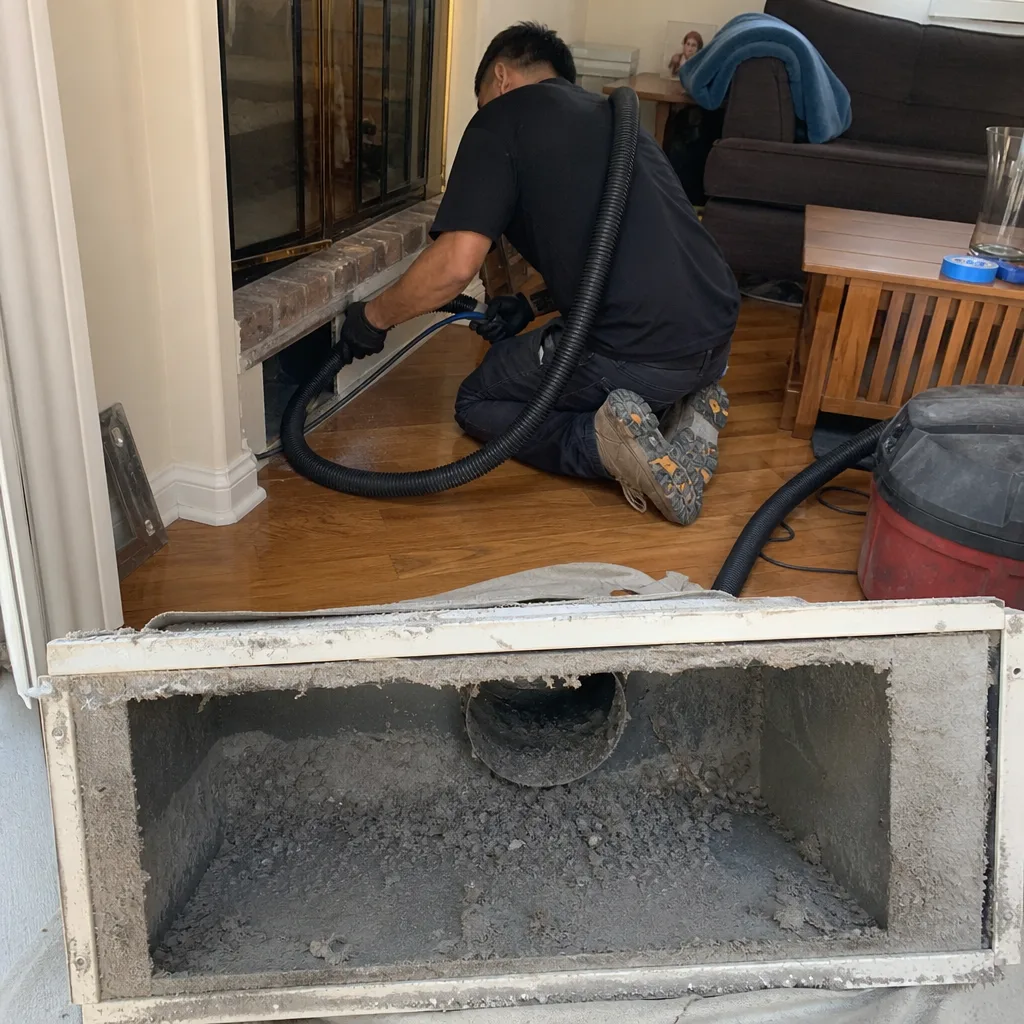 Before
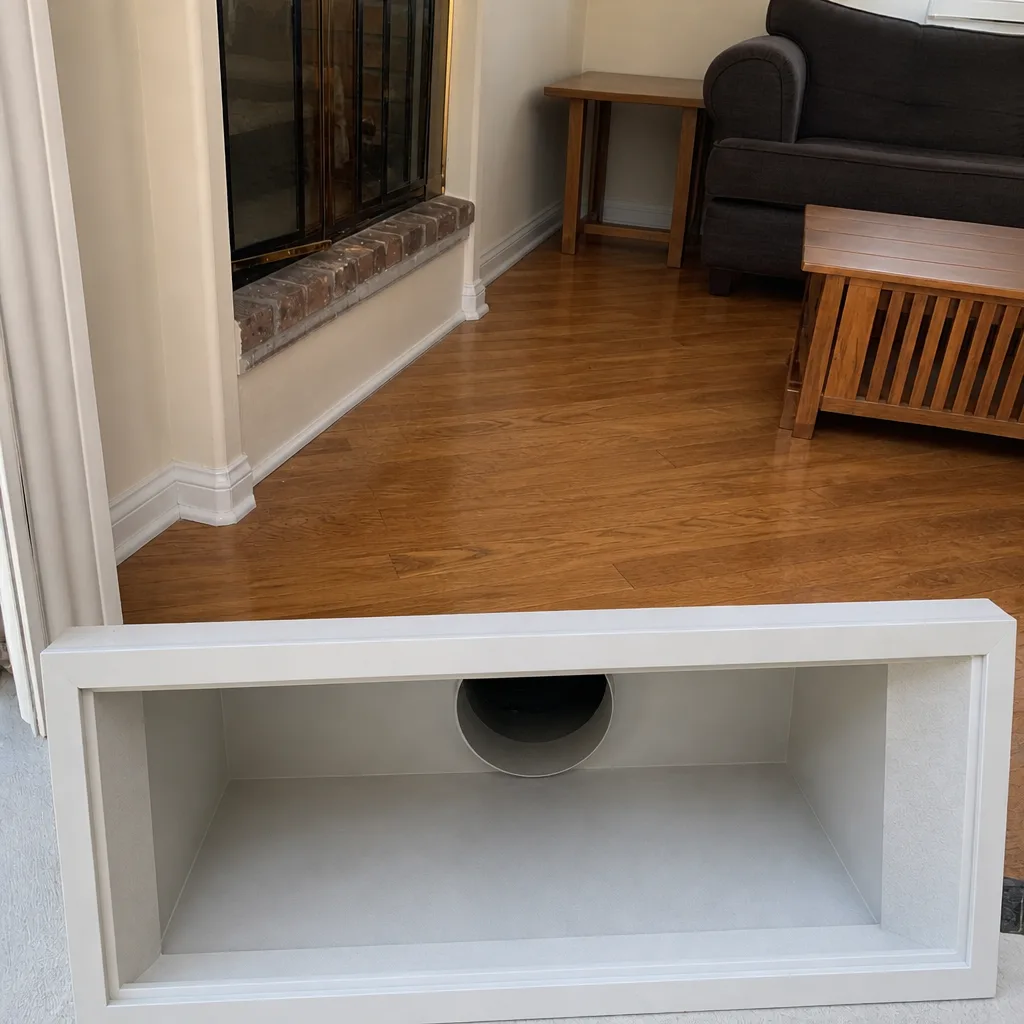 After
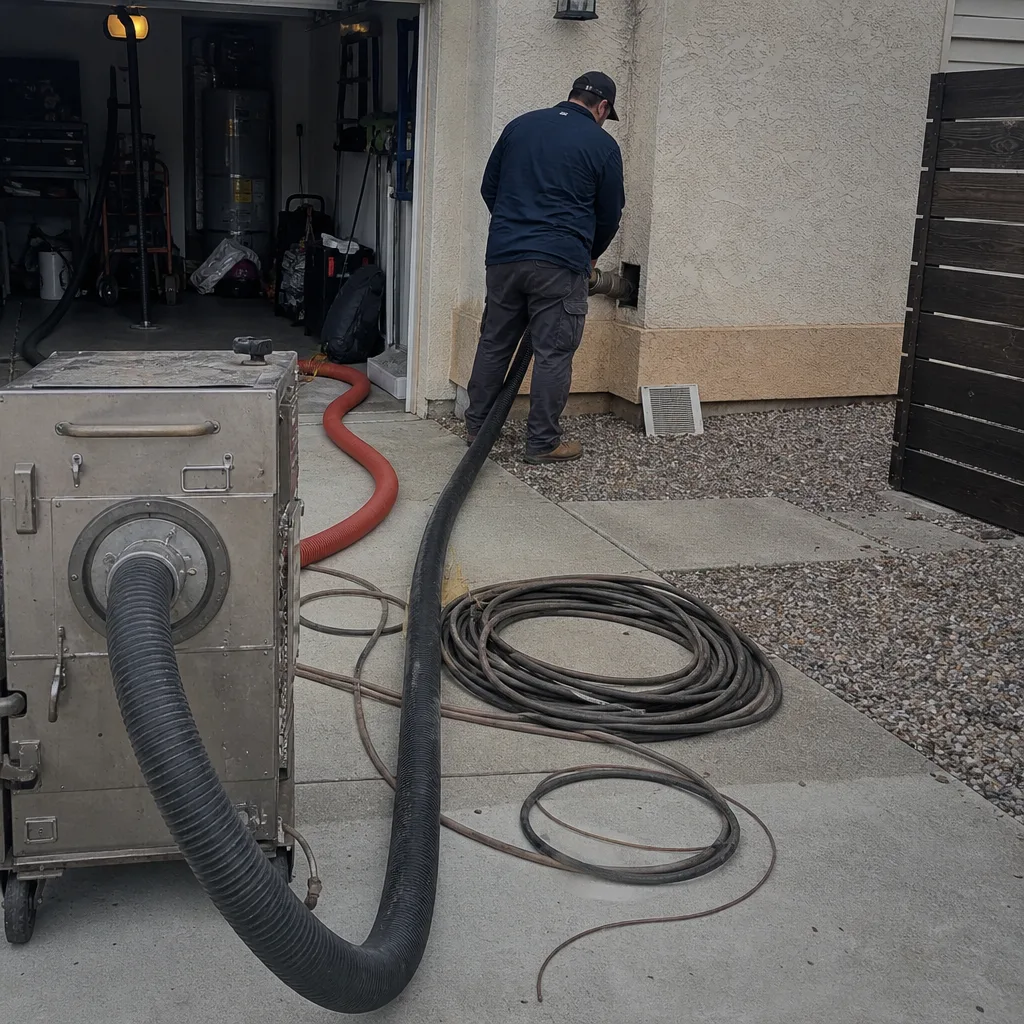 Before
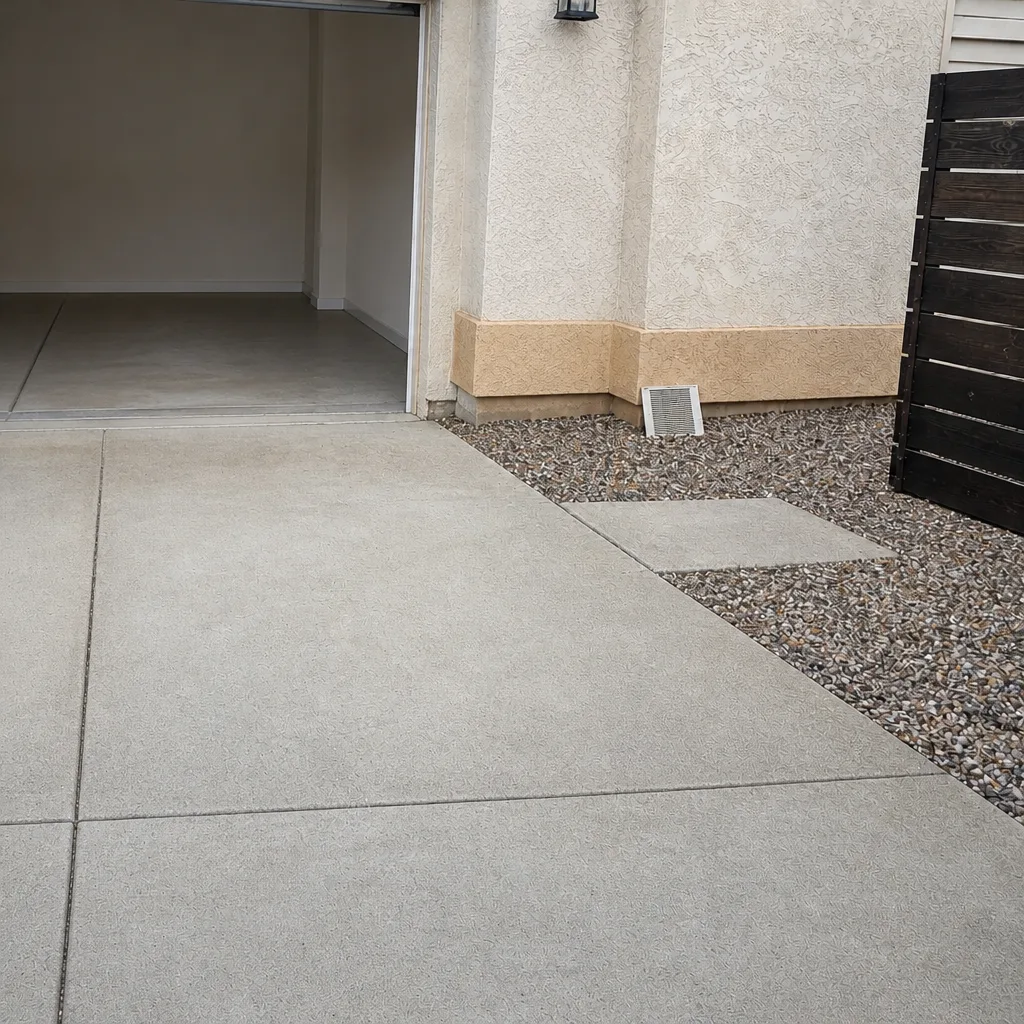 After
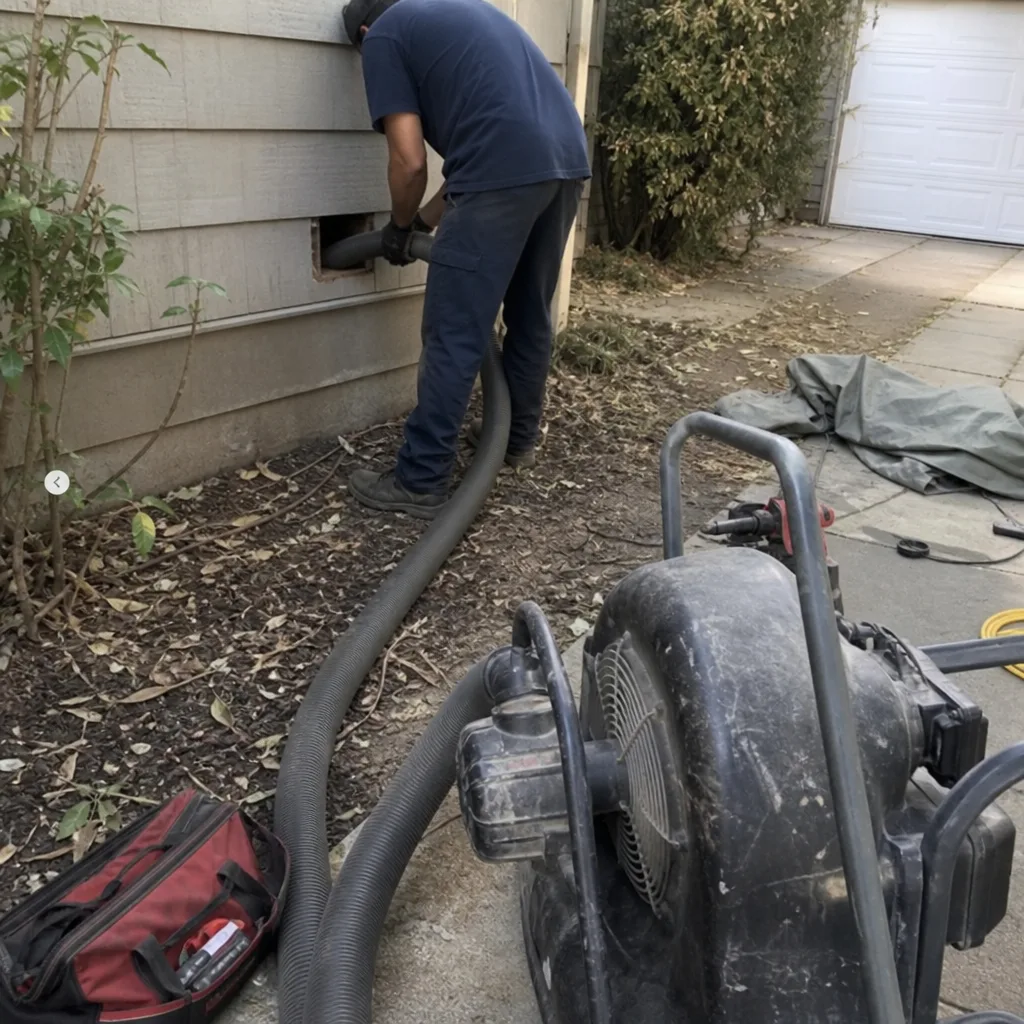 Before
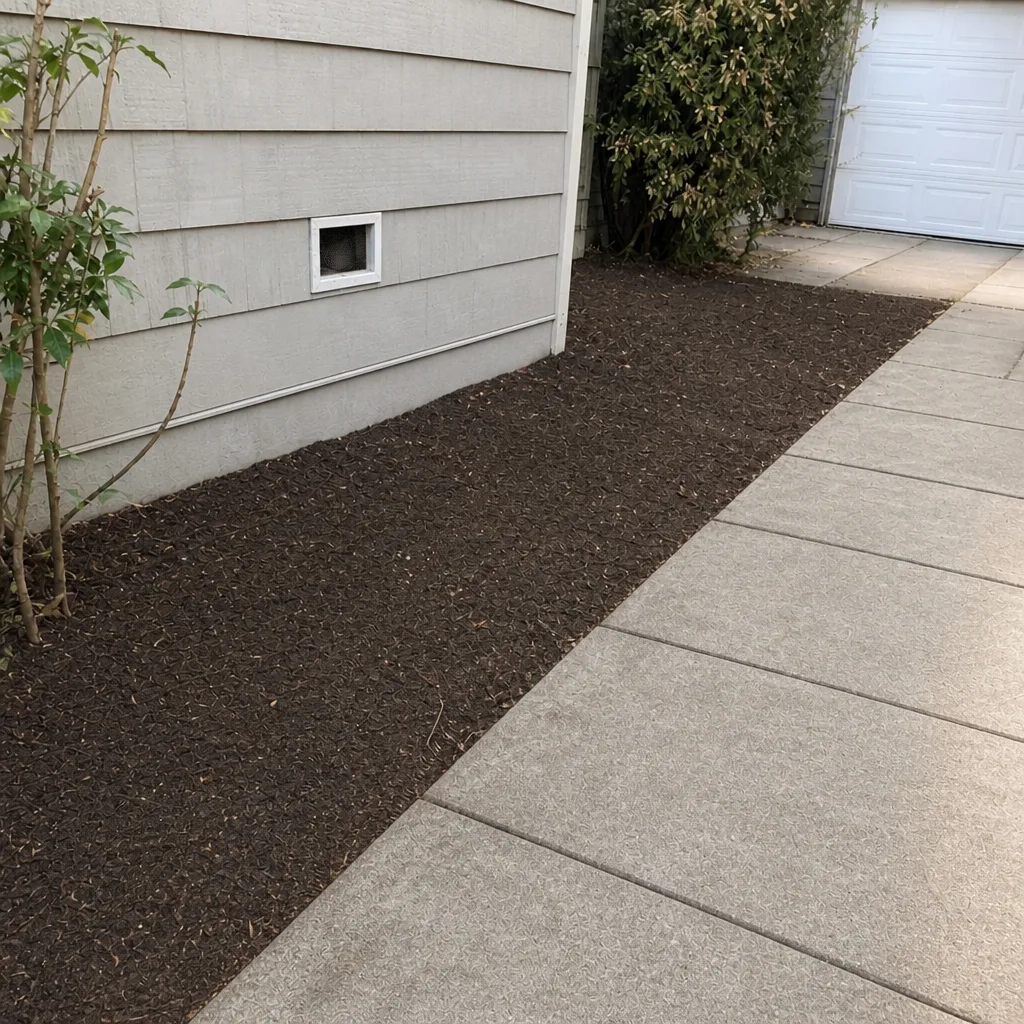 After
When to Call a Professional
Call a professional when a trigger fires, not just when the calendar says so. Recent renovation, any water intrusion that reached the ducts or boots, pest activity, a new HVAC install, persistent musty odor, or a home-inspection finding all warrant a professional visit regardless of when the last cleaning happened. So does a sudden drop in filter life or a register that’s gone weak. Those are early warning signs, and catching them early means a smaller job. Air Duct Cleaning Washington Square offers free estimates in Washington Square – call (877) 792-6053. We answer 24/7. Fast dispatch from 7am to 7pm, Sunday through Friday. Our technicians have up to 8 years of experience, use Rotobrush rotary-brush and Nikro negative-pressure equipment, and treat the estimate as a per-job price agreed before any work starts.
Frequently Asked Questions
Every 3 – 5 years is the baseline for most Washington Square homes, with the shorter end for flex duct, pets, or full-time occupancy, and the longer end for sheet metal in a low-occupancy home. Recent renovation, water intrusion, pest activity, or an HVAC replacement overrides the calendar and calls for an immediate cleaning.
Pricing is set per job by a written estimate because system size, duct material, accessibility, and contamination level vary from home to home. We don’t quote per-vent prices and we don’t run teaser coupons that turn into a larger invoice on the day. Call (877) 792-6053 for an exact quote – estimates are free.
Yes. Drywall dust, sawdust, and construction debris get drawn into the return side and settle throughout the system regardless of how recent the last cleaning was. Clean after the last sanding pass and before final paint so the ducts aren’t reloaded by the finishing work.
Ask for before-and-after photos of your own ducts, not stock images. A legitimate cleaning produces visible evidence of what came out of the system, and a technician should be able to show you the difference between the pre-clean and post-clean condition at the registers and in the trunk.
No. A shop vacuum can’t generate the negative pressure that keeps debris contained during a proper cleaning, and it can’t reach the full length of flex runs. Purpose-built equipment from Rotobrush and Nikro is designed to agitate and extract debris while containing it, which a shop vacuum can’t do safely in a duct system.
Cheap quotes usually price per vent and skip the inspection, sanitizing, and any repair the cleaning reveals. The low number covers the minimum they can do and still call it a cleaning. A flat price per system with an inspection built in is the honest approach. Call (877) 792-6053 for a free estimate.
The Bottom Line
Air duct maintenance isn’t a calendar. It’s a set of branches based on duct material, construction type, and occupancy, with a list of triggers that override the schedule when something happens. Track your filter loading rate and inspect your own registers and returns between professional visits. Keep a home record card so the next technician can see the trend line rather than a snapshot. If you live near the I-280 corridor, shorten your interval and watch for particulate loading. When a trigger fires, don’t wait for the calendar date. Purpose-built equipment, a clean-and-seal sequence, and a flat per-job price agreed before work starts are what a serious cleaning looks like. Better air starts with knowing what’s actually in your ducts.
Ready to schedule a walkthrough or ask a question about your specific system? Call (877) 792-6053 for a free estimate. We answer 24/7. Fast dispatch from 7am to 7pm, Sunday through Friday. Air Duct Cleaning Washington Square runs dryer vent cleaning, HVAC cleaning, duct repair and sealing, and air quality sanitizing under the same roof, so you don’t need a second contractor to fix what cleaning reveals. For the full range of what we do, start at Air Duct Cleaning Washington Square.
Written by the team at Air Duct Cleaning Washington Square.