
Last updated November 25, 2026
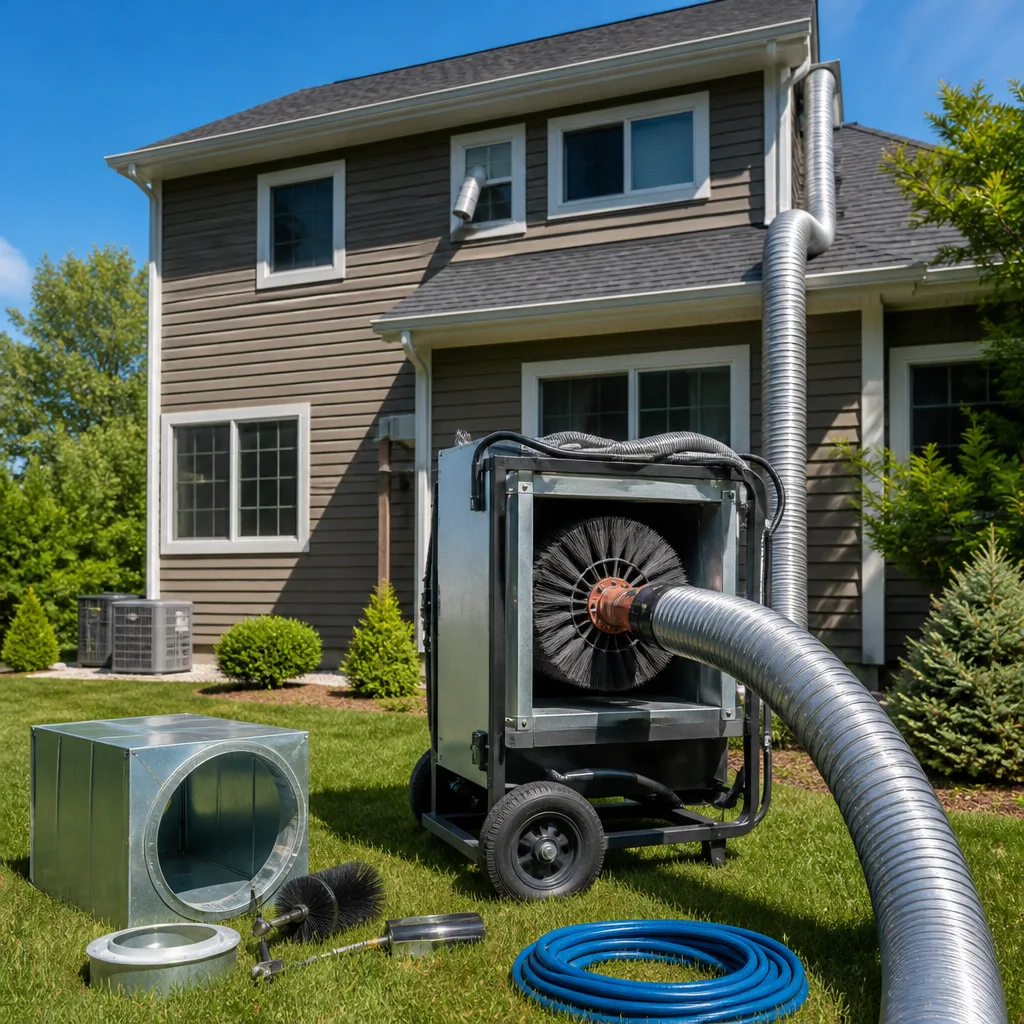 Whole-home duct cleaning
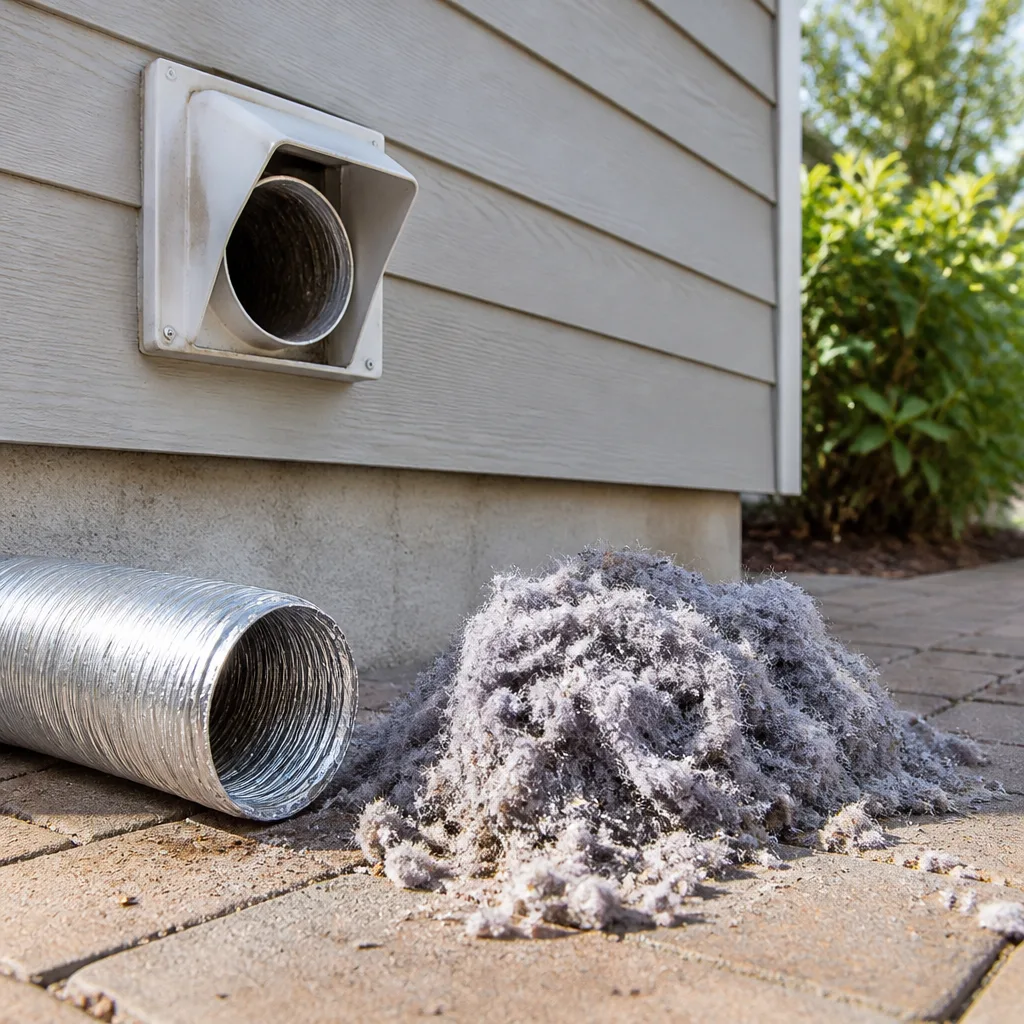 Dryer vent cleaning
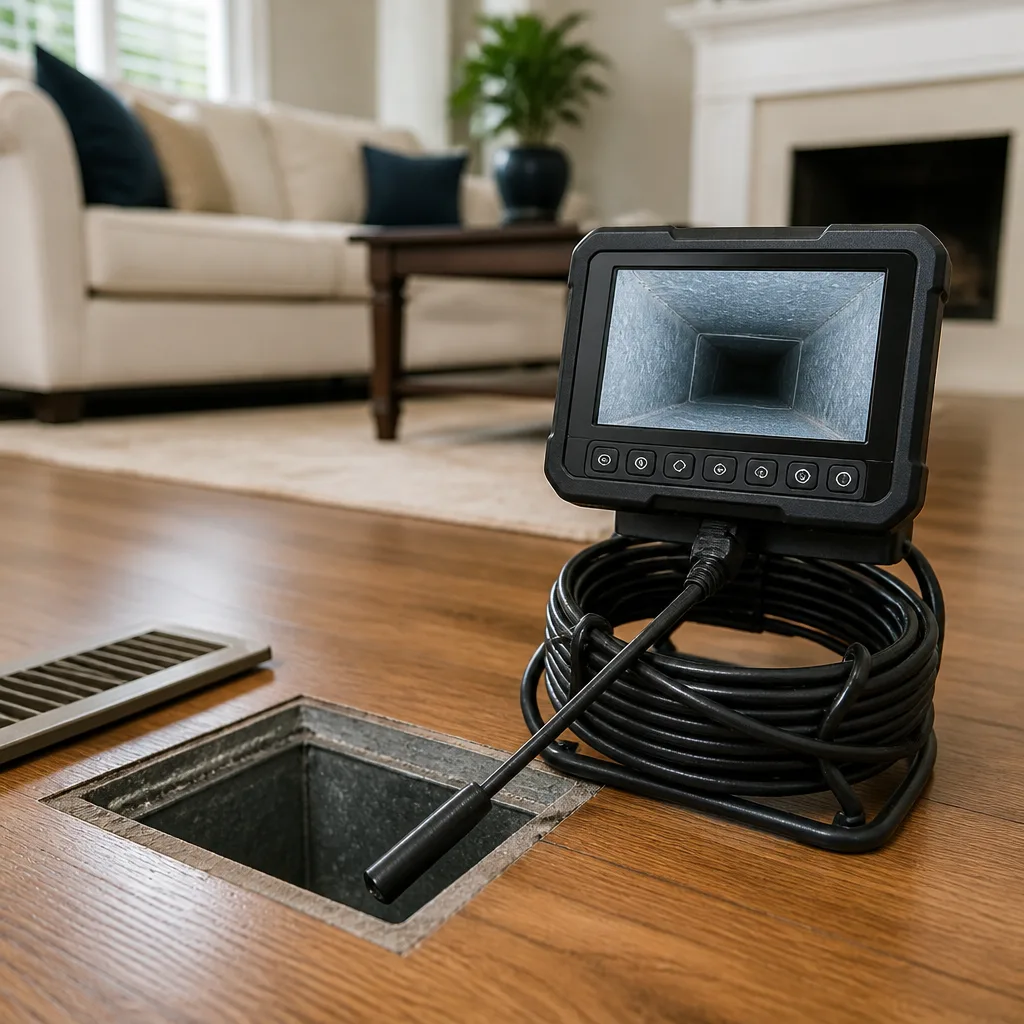 Camera inspection
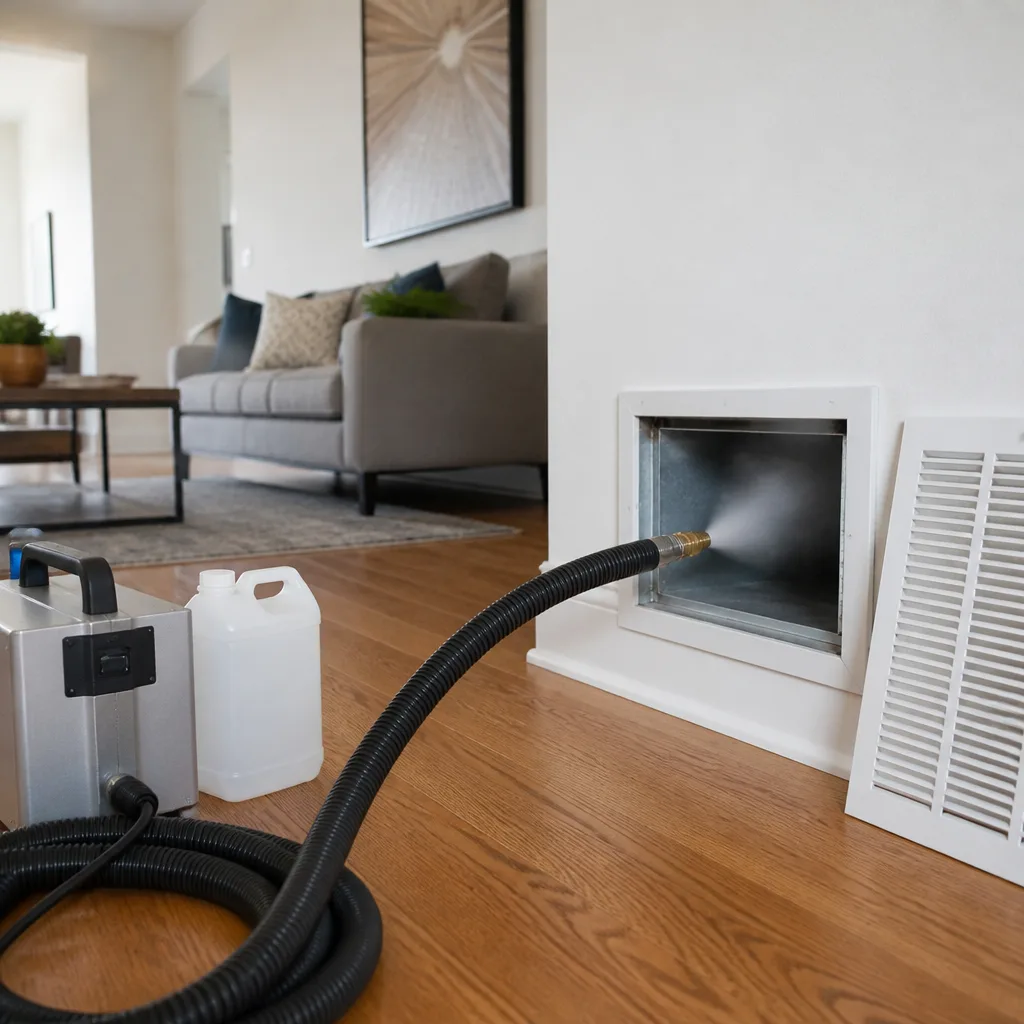 Sanitizing & deodorizing
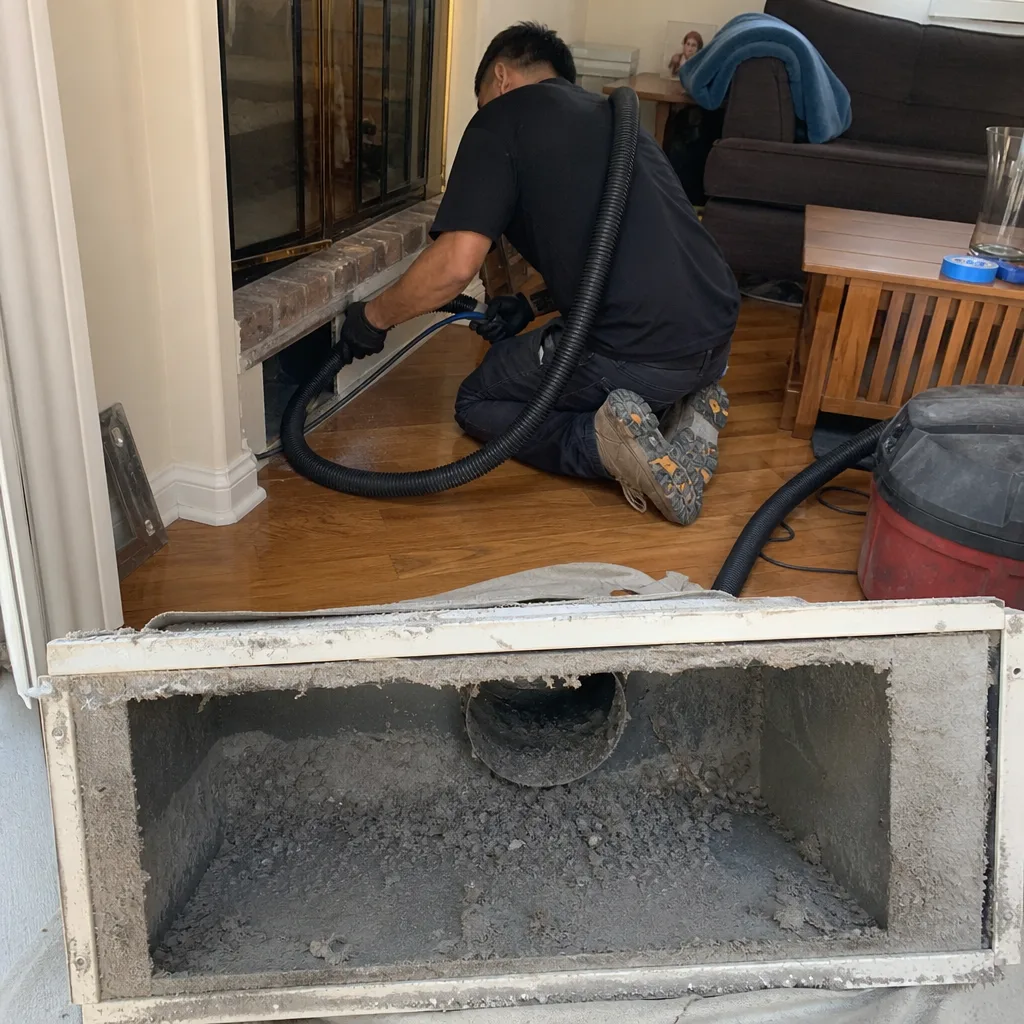
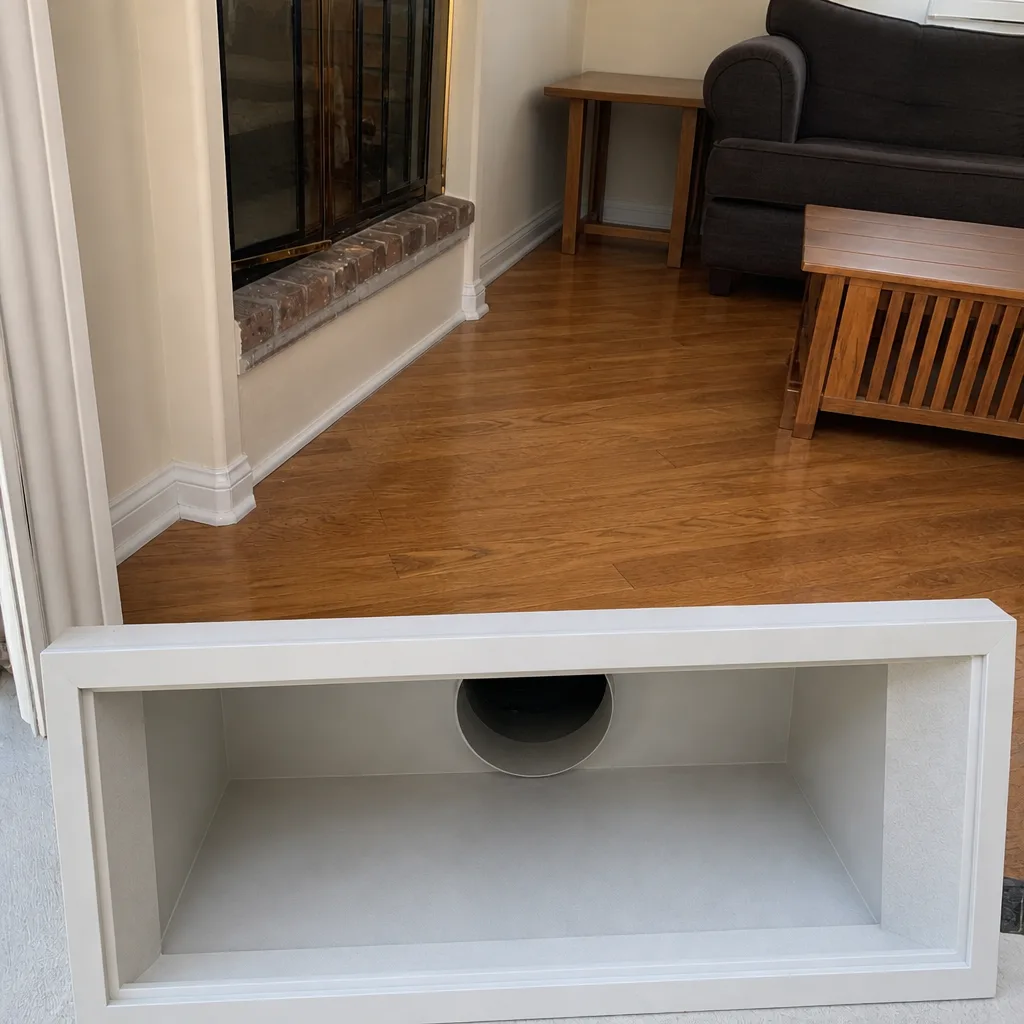
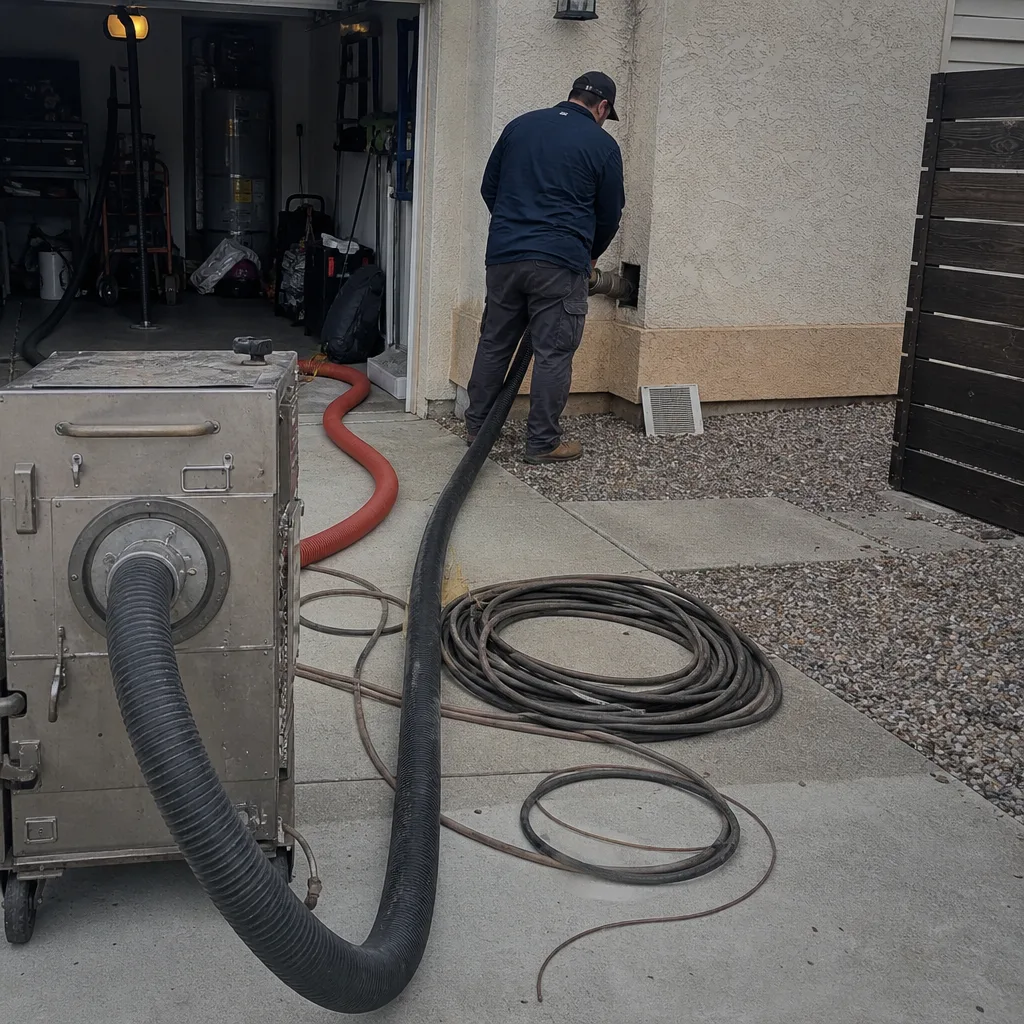
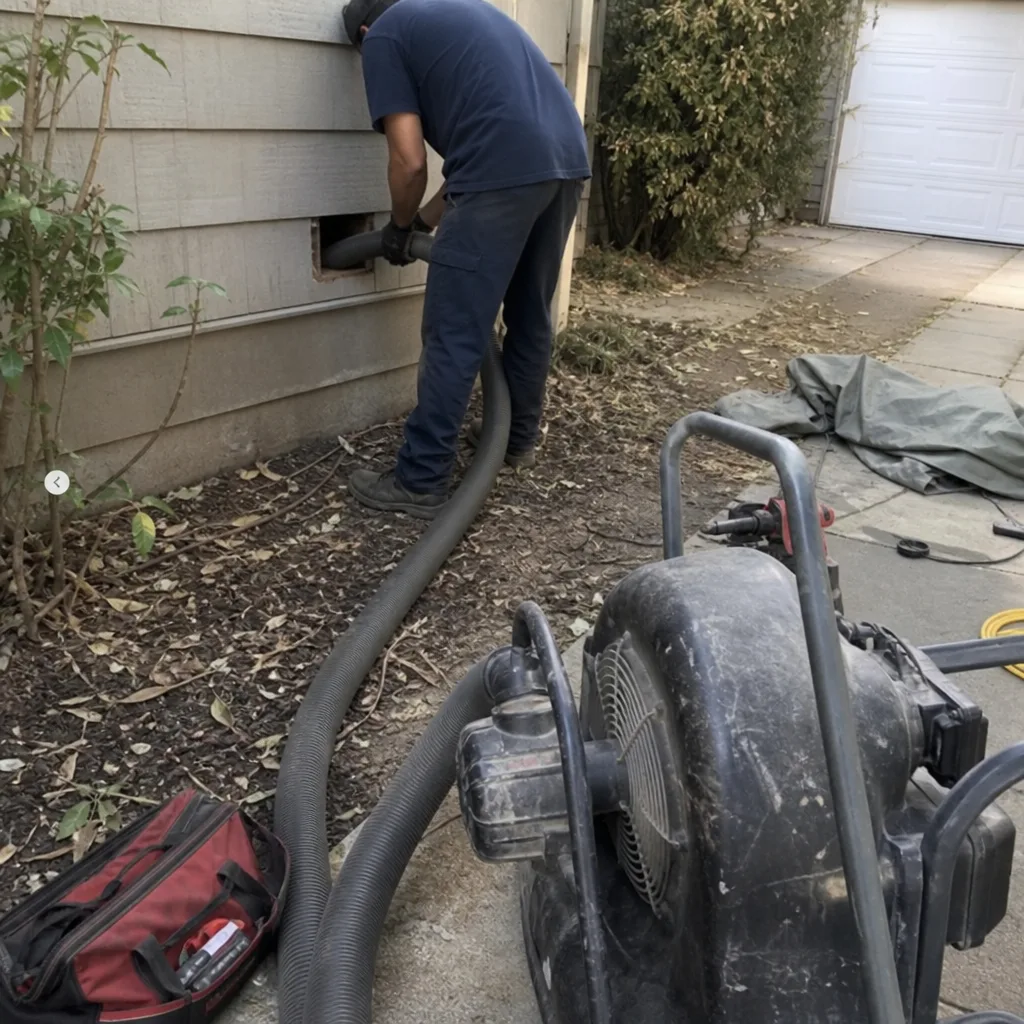
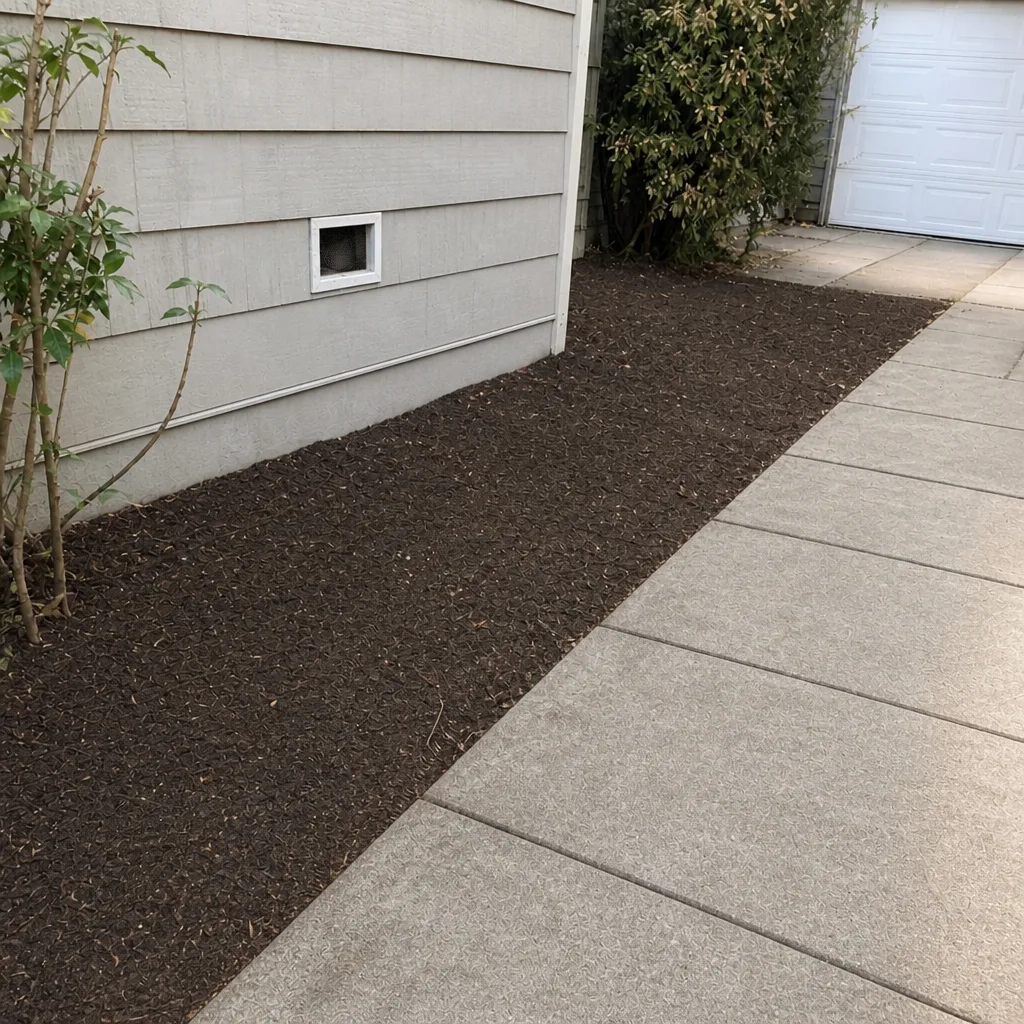
Whole-system duct and dryer vent check with before-and-after photos - you see exactly what came out of your vents
That "$99 whole-house special" is a bait ad - the real number appears once they are in your hallway, or the "clean" is a shop-vac at the register. We photograph the inside of your ducts before and after instead.
The Complete Guide to Air Duct Cleaning in Washington Square
Most homeowners in Washington Square don’t have dirty ducts. They have a dirty system. That’s a subtle difference with big consequences, because a cleaning that treats the ductwork as the whole job misses the parts that actually circulate the air: the blower motor, the evaporator coil, the plenum, and every supply and return register in the house. The ducts are one node in a network, and contamination moves through that network in both directions. We’ve seen homes where the visible duct runs looked spotless while the coil was matted with debris and the registers were blowing particles back into the room. This guide maps the entire air system, not just the pipes, and shows you how to verify a cleaning was actually done. Washington Square’s particular mix of marine-layer humidity, wildfire ash seasons, and infill construction dust makes that full-system view more useful here than in most places.
Styles & brands we work with
- Whole-home duct cleaning
- Dryer vent cleaning
- Camera inspection
- Sanitizing & deodorizing
Quick Answer
Air duct cleaning in Washington Square is best understood as cleaning the whole air system, not just the ducts: the air handler, blower, evaporator coil, plenum, registers, and duct runs all need inspection and source removal to improve indoor air. A proper job uses negative-pressure containment plus mechanical agitation (rotary brush and air whip), documents conditions before and after, and seals gaps so the system stays clean. Cleaning only the ducts, without the coil and air handler, is the most common reason a cleaning fails to deliver.
Table of Contents
- Why the Ducts Are Only One Node in a Larger System
- What Washington Square’s Air Actually Carries
- What a Full-System Inspection Should Document
- Source Removal vs. Blow-and-Go: The Equipment Difference
- How to Verify a Cleaning Was Actually Completed
- What Air Duct Cleaning Costs in Washington Square
- When Duct Cleaning Actually Needs Doing
- Common Mistakes to Avoid
- When to Call a Professional
- Frequently Asked Questions
Why the Ducts Are Only One Node in a Larger System
Air in a forced-air HVAC system doesn’t travel through a clean tube and a dirty tube side by side. It cycles. Every cubic foot of air that leaves a supply register has already passed through the return grille, the filter, the blower wheel, the evaporator coil, and the plenum before it ever entered the ducts. Whatever collects at each of those nodes keeps getting pushed through the rest of the system with every heating or cooling cycle. That’s why cleaning one node in isolation rarely produces the change in air quality or airflow that a homeowner expected.
Here’s the network, from return to supply:
- Return grilles and return ducting: where air enters the system. These pull in dust, pet hair, lint, and whatever’s floating in the room.
- Filter: the first line of defense, but only if it’s the right MERV rating and replaced on schedule.
- Blower wheel: a squirrel-cage fan that builds a film of sticky dust on its blades. A fouled blower moves less air and runs hotter.
- Evaporator coil: the wet, cold surface in summer where condensation forms. This is where dust turns into a damp mat, and where biological growth finds a foothold.
- Supply plenum and trunk: the main distribution chamber.
- Branch runs and supply registers: the final delivery points, where loose debris gets blown directly into living space.
The evaporator coil deserves its own paragraph. In cooling season it’s damp almost constantly, and a damp coil with dust on it is a different problem than a dry duct with dust in it. Cleaning the ducts while skipping the coil is like wiping the counter and leaving the sponge. When we talk about cleaning the system, the coil and blower are non-negotiable parts of that scope. If you want to understand the broader service discipline, the reference point is air duct cleaning, but the point of this guide is to show you why that discipline is really system-wide.
What Washington Square’s Air Actually Carries
Washington Square sits in the Bay Area, and that shapes what ends up in local ductwork in three specific ways. None of them are the marketing-friendly version of “dirty air.” They’re physical realities that determine how often a system needs attention here.
Marine-layer humidity. The June gloom and the fog that burns off each morning push outdoor humidity up overnight. That moisture interacts with an evaporator coil that’s already damp from cooling, and it slows the drying of anything in the return path. Damp dust is adhesive dust. It sticks to blower blades and coil fins instead of blowing through, which is why coil fouling is so common in Bay Area systems even in homes that look clean.
Wildfire ash seasons. When smoke settles across the region, the particles that reach your filter aren’t just soot; they’re fine ash that can carry through a low-performance filter and deposit on downstream surfaces. Homes near open windows during smoke events can load their returns faster than the filter schedule accounts for.
Construction dust from infill development. Washington Square, like much of the surrounding area, sees steady infill construction and renovation. Drywall dust is relentless. It escapes poorly-zoned work areas, finds open vents left uncovered during a remodel, and settles into every horizontal surface in the system. If a home has had work done and the registers weren’t sealed, drywall dust is probably the top contaminant in the ducts.
Add the everyday contributors (pets, cooking, candles, and the lint that comes off every textile in the house) and you have a system that loads unevenly. The furnace or air handler closest to the kitchen and the return in the main hallway usually take the worst of it. That unevenness is one reason a full-system inspection beats a single walk-through with a flashlight.
What a Full-System Inspection Should Document
Any credible cleaning starts with inspection, and a real inspection produces documentation, not a verbal impression. Before a single brush touches the system, the technician should be able to show you, photographically, what’s inside. Ask for these seven items in writing or as photo records:
- Return-side conditions: photos of the return grille, the return plenum, and any accessible return ductwork, with locations noted. Ask specifically about the return closest to the kitchen and the one most prone to pet hair.
- Filter and filter housing: the filter’s current condition, its MERV rating, and whether the housing seals properly. A filter that’s the wrong size lets unfiltered air bypass completely.
- Air handler cabinet: interior photos showing the blower wheel and the condition of the cabinet insulation. Loose or failing insulation is a contamination source in itself.
- Evaporator coil: a clear photo of the coil face, plus an assessment of whether it needs cleaning and what cleaning method suits its fin type. Coils are delicate; wet cleaning and dry cleaning are not interchangeable.
- Supply plenum and trunk line: photos of the accessible sections, plus notes on any seams that show daylight or separation.
- Branch runs and supply registers: a representative sample across rooms, noting any that show drywall dust, pest activity, or moisture staining.
- Airflow baseline: a measured reading at the supply registers before any cleaning. This is the number that later proves whether the job accomplished anything.
The inspection should flag three things in particular: moisture anywhere in the system, pest evidence (droppings, nesting material, chewed insulation), and disconnected or crushed duct sections. Those three aren’t cleaning problems; they’re repair problems, and cleaning around them wastes the cleaning. A thorough outfit brings repair and sealing into the same scope for exactly this reason. That’s the logic behind doing the whole HVAC cleaning as one coordinated job rather than a duct pass and a separate service call later.
Source Removal vs. Blow-and-Go: The Equipment Difference
The central divide in this trade is between source removal and blow-and-go. Source removal, the method NADCA describes as the standard, means physically agitating debris loose and extracting it out of the system under negative pressure. Blow-and-go means blasting compressed air through the ducts and letting the debris settle wherever it lands, often back into the living space. One removes the contamination; the other relocates it. You can usually tell which method a company uses by the equipment you see on the driveway and the process they describe.
Purpose-built equipment, not repurposed shop vacuums, is the marker. Here’s what professional source removal actually involves:
- Negative-pressure containment (Nikro): a high-volume vacuum connected to the system pulls the entire duct network into negative pressure, so loosened debris travels toward the collection unit rather than into rooms. This is the single most important piece of the process, and it’s the one discount operators skip.
- Rotary brush agitation (Rotobrush): a motorized brush on a flexible shaft travels the length of each run, scrubbing contact surfaces. Air alone doesn’t dislodge the caked film on duct walls; a brush does.
- Compressed-air whips and skipper balls: used in coordination with the brush to reach corners and branches the brush can’t reach.
- Contaminant-grade extraction (Abatement Technologies): for mold-affected systems, post-renovation particulate loads, or allergy-driven jobs, equipment rated for remediation scenarios is what separates a real cleaning from a cosmetic one.
- Sanitizing (Guardsman-grade products): applied after cleaning, once the surfaces are actually clean. Sanitizer sprayed onto dirty surfaces is a waste, and any company that sanitizes before extracting is going in the wrong order.
- Repair and sealing: the seams, joints, and disconnected runs uncovered during cleaning are sealed after, so the system stays clean. We clean the system, then we seal it.
Ask the company to name the equipment it brings and describe each step in order. If the answer is “we blow it out and vacuum,” that’s blow-and-go with a vacuum attached. From the first pass to the final seal, the process should be one continuous job done by one crew, with the air quality solutions (Aprilaire and Honeywell filtration and air-treatment gear, for example) offered after the cleaning so a homeowner can address the source rather than just the symptom.
How to Verify a Cleaning Was Actually Completed
Verification is where the industry’s reputation problem lives. A homeowner has no way to watch the inside of a duct run, so the honest answer is that verification has to be built into the job. The good news: you can check several things yourself, and a professional outfit will hand you the records to check against. Use this sequence after the work is done.
- Airflow measurement at the registers. Ask for before-and-after readings, and spot-check a couple of rooms yourself with a cheap handheld anemometer. Improvable airflow across the home is the clearest objective sign that restriction was actually removed.
- Before-and-after photos of your own ducts. Not stock photos of someone else’s job. The photos should show identifiable sections of your system, from the same angle, before and after the extraction pass.
- Physical check at the register. Remove a supply register cover and look inside the boot with a flashlight. Clean ducts have dry, smooth interior surfaces. If you still see loose dust, the extraction didn’t reach that branch.
- Check the containment and collection. The vacuum’s collection bag or drum should hold a visible volume of material from your system. The absence of debris in the collection unit after a “cleaning” means the debris is still in your house somewhere.
- Look for the repair work. Seams that were open should be sealed. Run your hand along accessible joints at the plenum; you should feel a continuous seal, not gaps.
- Filter after the job. A filter installed fresh at the end of the cleaning, correctly sized and sealed, tells you the technician closed the system properly.
- Ask for a written summary. The report should note what was cleaned, what was repaired, what airflow readings you started with, and what the technician recommends for filtration going forward.
None of this requires special equipment. It requires the technician to document and you to look. Any company that resists showing you these records is telling you something useful about the process.
What Air Duct Cleaning Costs in Washington Square
Air duct cleaning in Washington Square is priced per system, not per vent, and honest quotes reflect the whole scope: inspection, source removal, coil and blower cleaning, sanitizing, and the sealing work that likely goes with it. Anyone quoting a per-vent price or a teaser coupon figure is setting up an invoice that grows once the technician is on site. We price one flat amount per system, agreed in writing before any work starts. Here’s a typical range breakdown; the written estimate sets the final price.
| Scope | Typical Estimate |
|---|---|
| Inspection and full-system documentation | Included in cleaning |
| Air duct cleaning (full residential system) | $350 – $800 |
| Evaporator coil and blower cleaning | $150 – $400 |
| Duct sanitizing (Guardsman-grade products) | $100 – $250 |
| Sealing (seams, joints, disconnects) | $200 – $600 |
| Dryer vent cleaning (standalone safety service) | $100 – $200 |
Two things move a quote at the top or bottom of that range: system size and the condition found during inspection. A large home with added returns, or a system with heavily fouled coils and multiple disconnected runs, will sit toward the higher side. A smaller home with a well-maintained system will sit lower. That’s the honest version of the pricing.
Why are some quotes so much cheaper? Because they’re not quoting the same job. A blow-and-go operator with a shop vacuum can charge a quarter of the price and finish in twenty minutes. That price is accurate; the job isn’t. What you’re comparing isn’t price versus price, it’s a cleaning versus a puff of air.
When Duct Cleaning Actually Needs Doing
Duct cleaning isn’t a routine calendar item. There’s no universal “every X years” rule, and companies that push annual cleanings aren’t telling you something useful. Cleaning needs doing when something specific calls for it. In Washington Square, these are the triggers we see most often:
- Recent renovation or construction nearby. Drywall dust from work inside the home, or infill construction dust pulled into the system through open windows.
- Post-wildfire-smoke season. If the home’s been through a period of heavy smoke exposure, the filter and downstream surfaces may have loaded faster than usual.
- A new baby or a household member with new or worsening allergies. This is the most common reason homeowners call in Washington Square, and it’s a reasonable one. Cleaning plus a filtration upgrade addresses both the source and the ongoing load.
- Musty odors from the vents. This is almost always a moisture-related problem, most often at the coil or in failing cabinet insulation. Cleaning alone won’t fix it; the moisture source needs to be found.
- The home is new to you. A home inspection that flags the HVAC is a fair trigger, and it’s the cheapest moment to have the system documented while the seller is still responsible for disclosures.
- Visible debris or dust streaks at the registers. Loose material in the branch runs making its way into the room.
If none of those triggers applies, you probably don’t need a cleaning yet. A filter program, a coil cleaning every few years, and a duct inspection when something changes will do more for you than an unnecessary appointment. The honest recommendation matters more than the sale. That’s also why dryer vent cleaning earns its own standing recommendation: blocked dryer vents are a fire risk regardless of the home’s overall system condition, and lint buildup happens on a predictable schedule whether or not the ducts need attention.
Common Mistakes to Avoid
- Cleaning the ducts without the coil and air handler. This is the one that wastes the whole job. The coil and blower are where most of the contamination lives and where airflow restriction actually happens; skipping them means the system re-contaminates the ducts on the first cycle.
- Accepting a per-vent price or a coupon figure as the quote. Per-vent pricing and teaser discounts exist to get a technician on site so the invoice can grow. In Washington Square, as anywhere, the real quote is a flat per-system price agreed before work starts.
- Letting anyone sanitize before extracting. Sanitizer applied to dirty surfaces is a cosmetic treatment. It must go on after cleaning, and it’s only as good as what’s underneath.
- Skipping documentation. A job with no before-and-after photos, no airflow readings, and no written summary isn’t verifiable. You should be able to prove the work was done, not take it on faith.
- Ignoring disconnected or crushed runs found during inspection. A branch that’s been disconnected in the attic or crushed behind drywall isn’t just wasting airflow; it’s pulling unfiltered air from wherever it opened. Repair and sealing are part of the cleaning, not an upsell.
- Treating the dryer vent as an afterthought. Dryer vent cleaning is a fire-prevention appointment, not a line item added on at the end. A blocked dryer vent is a genuine hazard, and it has nothing to do with the duct cleaning happening the same visit.
- Assuming the cleaning solves an odor problem on its own. Musty odors usually trace to moisture at the coil or cabinet insulation. Cleaning the ducts around that moisture doesn’t remove it, and the smell comes back within weeks. Find the source first.
When to Call a Professional
There’s a line between “wait and see” and “call now.” Crossing it looks like this: visible debris or mold-like staining in a return or supply register; musty smells from the vents that don’t clear; a household member whose allergies worsen indoors; a recent renovation with open vents during the work; a system with documented low airflow; or an inspection report that flags the HVAC. Also call when you’ve bought a home and want the system documented, or when the dryer vent hasn’t been serviced in a while and the dryer is taking longer than it used to. What you don’t want to do is treat a suspected moisture problem or a disconnected duct as a cleaning issue, because neither gets fixed by a vacuum. Air Duct Cleaning Washington Square offers free estimates in Washington Square – call (877) 792-6053. We answer 24/7. Fast dispatch from 7am to 7pm, Sunday through Friday.
Frequently Asked Questions
A full-system air duct cleaning in Washington Square typically runs $350 to $800, with coil and blower cleaning, sanitizing, sealing, and dryer vent cleaning priced separately if needed. The written estimate sets the final price, and the number should be one flat amount per system, not a per-vent figure. Call (877) 792-6053 for an exact quote; estimates are free.
Cheap quotes are cheap because they’re doing less: a blow-and-go pass with a shop vacuum rather than source removal with negative-pressure containment and rotary-brush agitation. The work isn’t happening for a quarter of the price; a quarter of the work is. Ask what equipment the company brings and whether the quote covers the coil and blower. Call (877) 792-6053 if you want to compare scope.
You verify it the same way you verify any physical work: before-and-after photos of your own ducts, before-and-after airflow readings at the registers, a check inside a register boot with a flashlight, and a written summary of what was cleaned and repaired. If a company won’t show you records, that’s your answer. Call (877) 792-6053 to discuss what documentation we provide.
There’s no fixed interval. Cleaning is triggered by specific conditions: a renovation, a smoke season, a new baby or worsening allergies, a musty smell, or a system documented with poor airflow. If none of those applies, save the money and keep the filter program current. Call (877) 792-6053 if you’re unsure whether your Washington Square home meets a trigger.
Marine-layer humidity makes coil fouling more likely, and wildfire ash seasons plus infill construction dust load the system faster than in drier climates. That doesn’t mean automatic cleaning; it means the coil and filter deserve more attention than they’d get in a dry climate, and the duct inspection intervals may be shorter if you’re near active construction. Call (877) 792-6053 for a free Washington Square estimate.
Dryer vent cleaning is a separate, standalone safety service, not an add-on tacked onto duct cleaning. Lint buildup in a dryer vent is a fire hazard regardless of the ducts, and it’s the most common reason a homeowner calls after buying a home. Call (877) 792-6053 to book it – estimates are free.
The Bottom Line
The dirtiest part of most HVAC systems in Washington Square isn’t the ductwork. It’s the coil, the blower, and the seams that let unfiltered air in. A cleaning that ignores them can look like work was done while the system re-contaminates within a week. The fix is process, not price: negative-pressure source removal, coil and blower cleaning in the same scope, sanitizing after extraction, sealing after cleaning, and documentation you can verify yourself. Purpose-built equipment matters, but so does the order of the steps and the honesty of the quote. If you want the full system addressed in one visit, we can do that.
Call (877) 792-6053 for a free estimate. We answer 24/7. Fast dispatch from 7am to 7pm, Sunday through Friday.
For the full scope of what we offer across Washington Square, see Air Duct Cleaning Washington Square. The local pro is licensed and insured as their state requires, the price is one flat amount per system agreed in writing before work starts, and before-and-after photos of your own system come with every job.
Written by the team at Air Duct Cleaning Washington Square.
See the difference
 Before
 After
 Before
 After
 Before
 After