
Last updated November 25, 2026
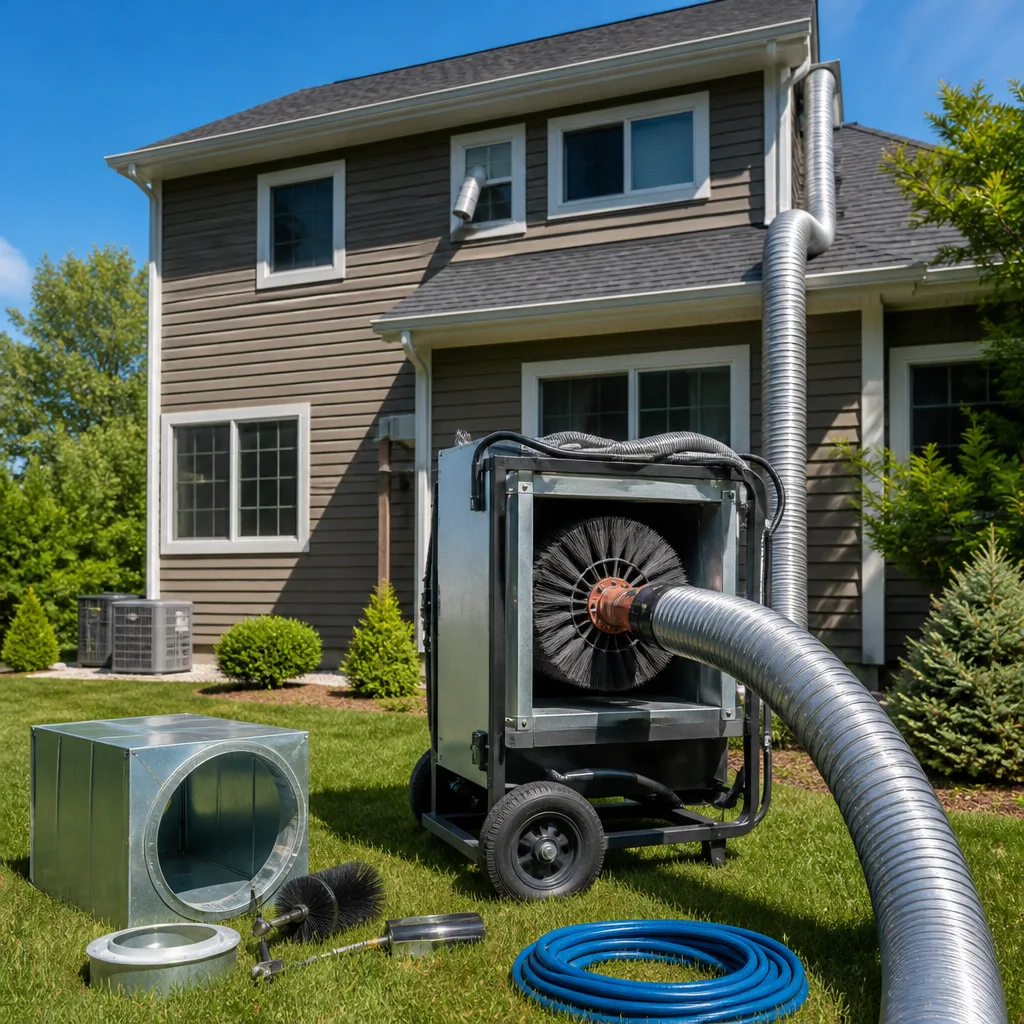 Whole-home duct cleaning
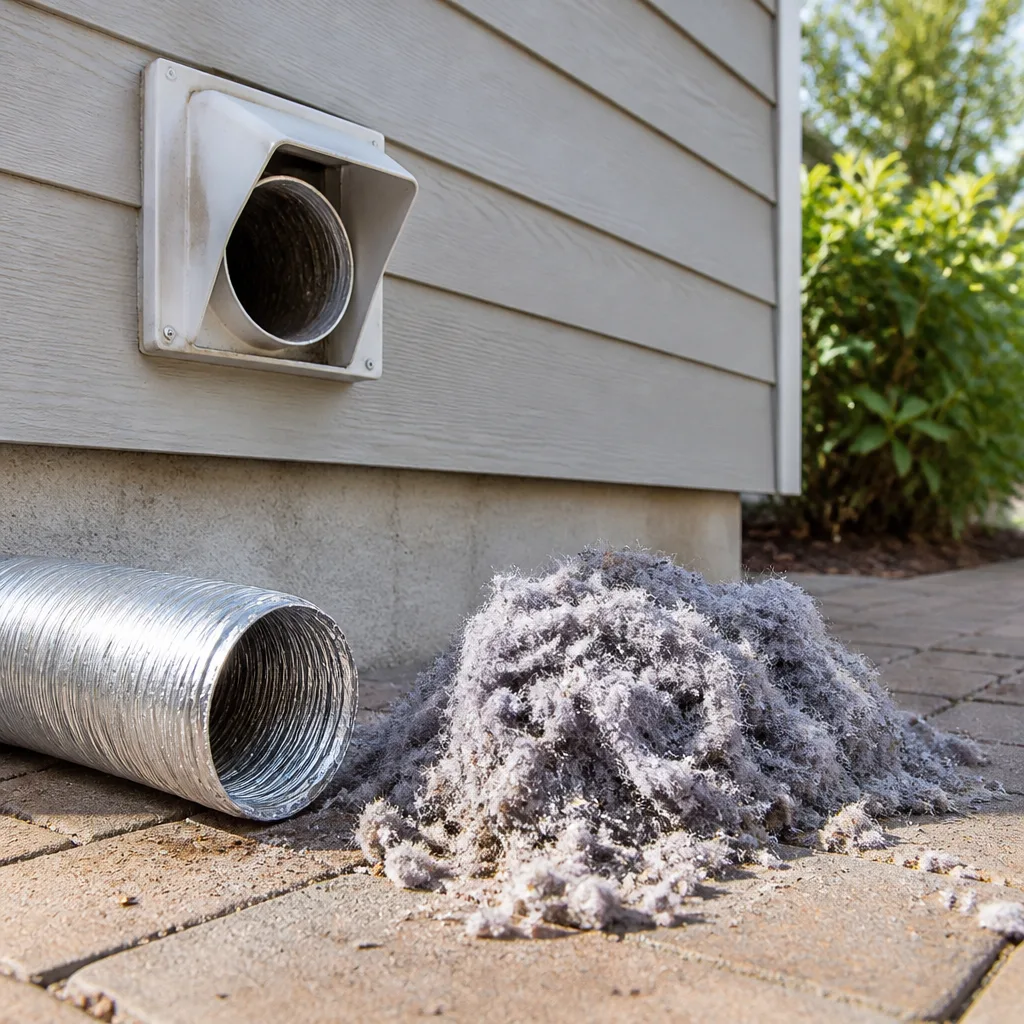 Dryer vent cleaning
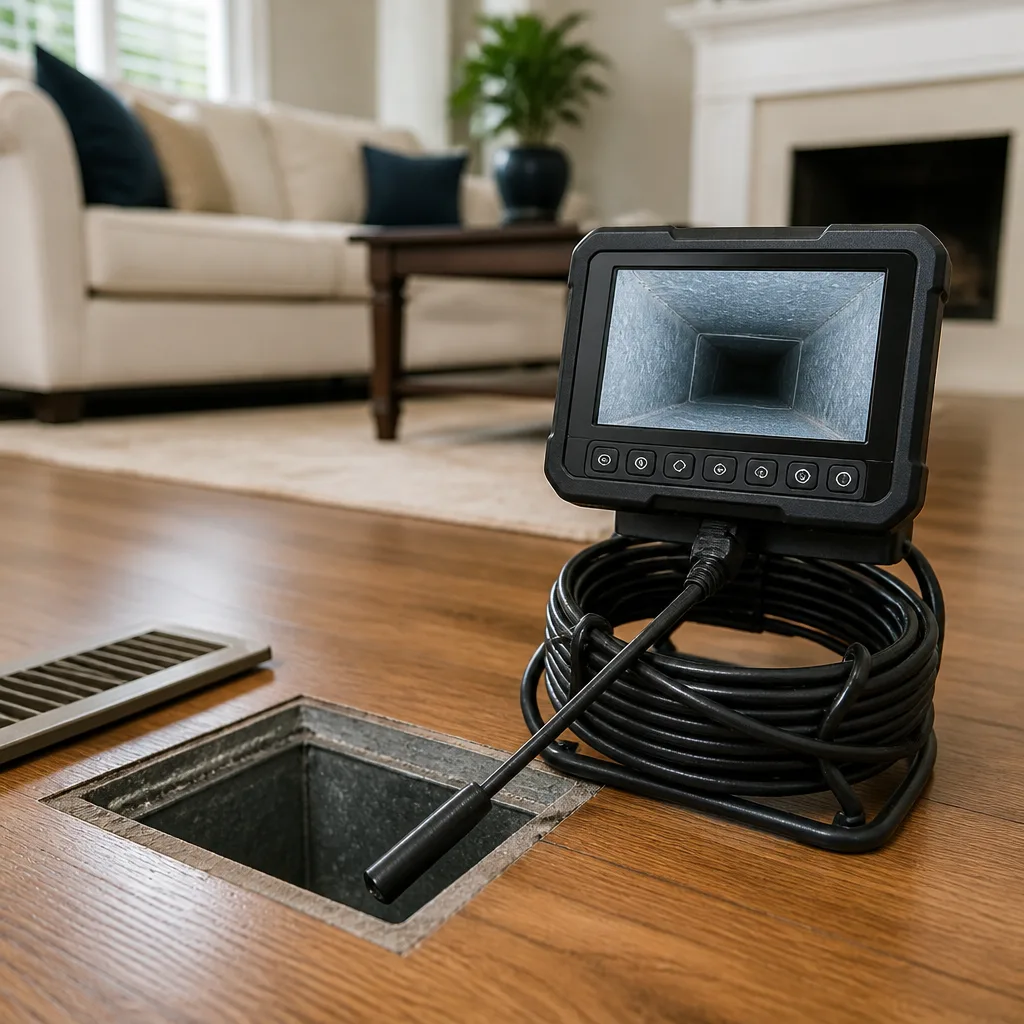 Camera inspection
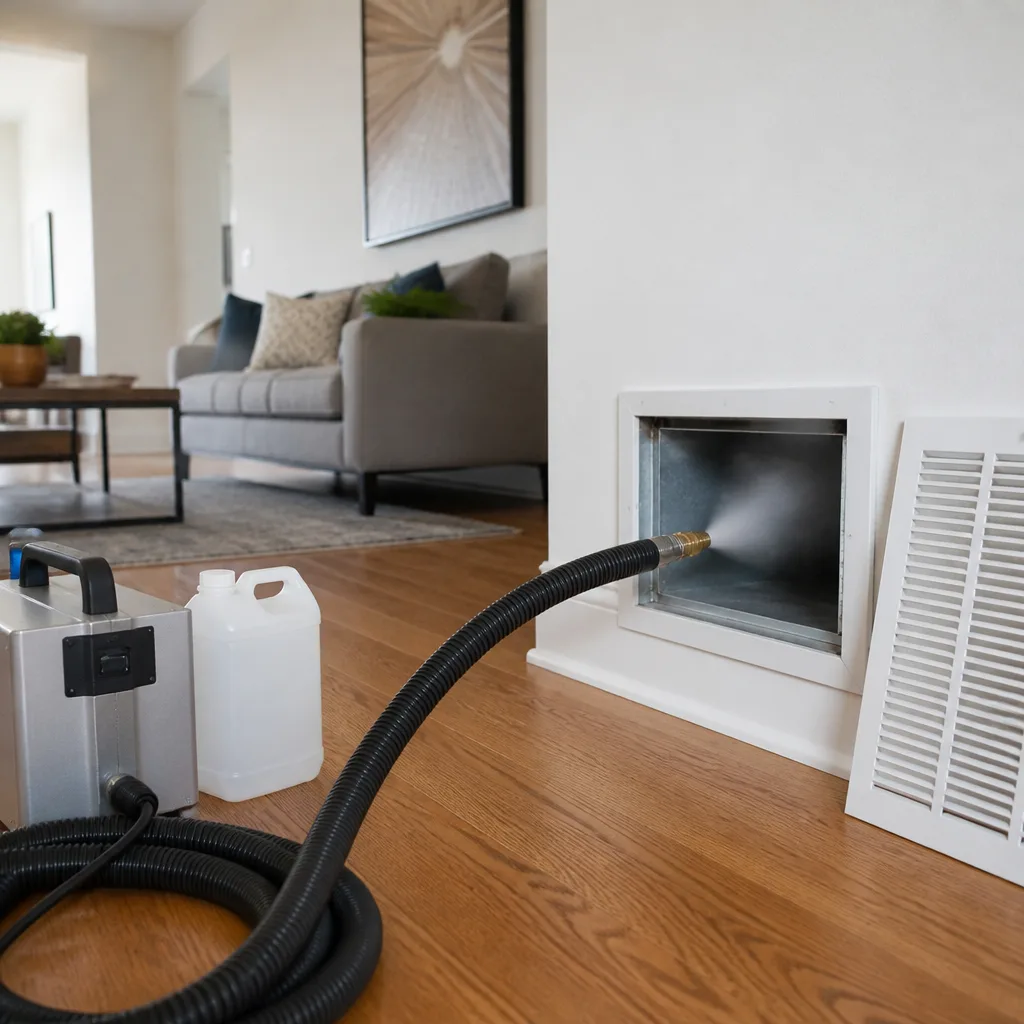 Sanitizing & deodorizing
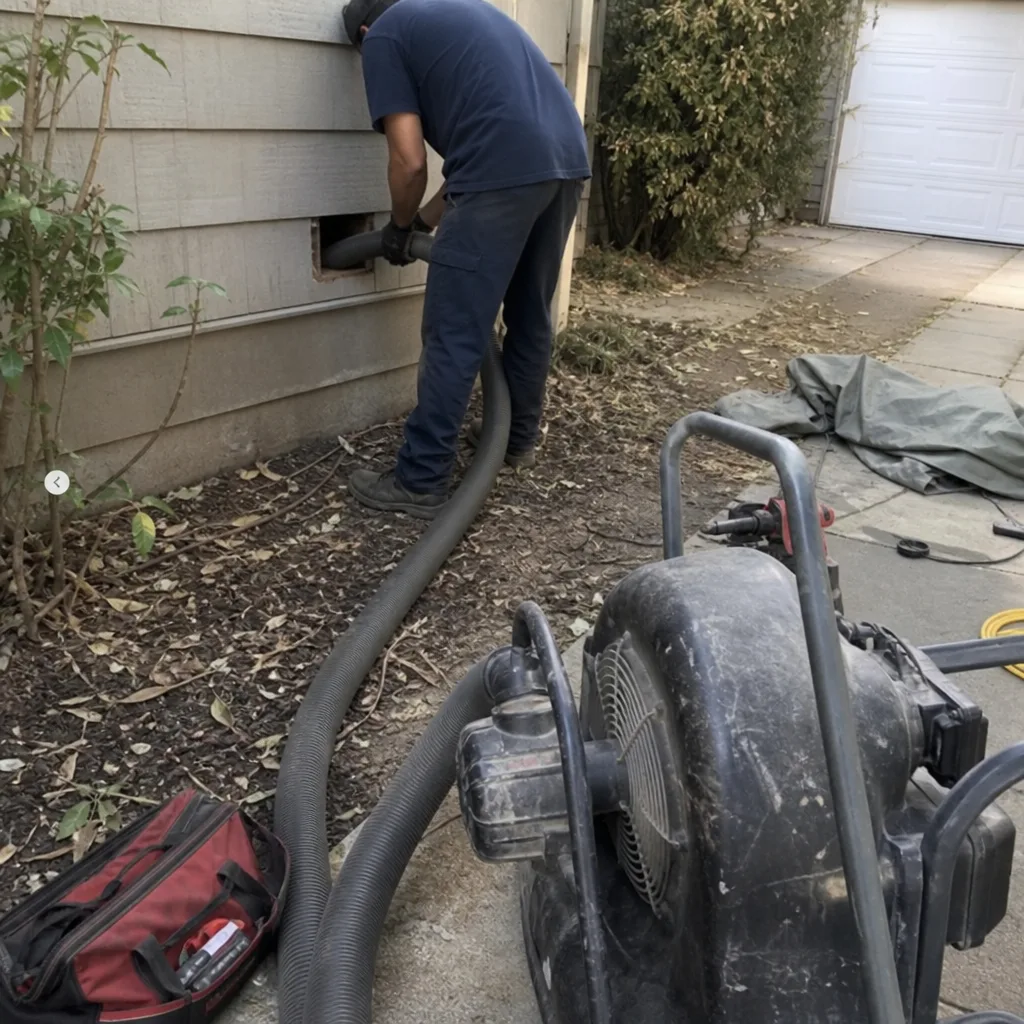
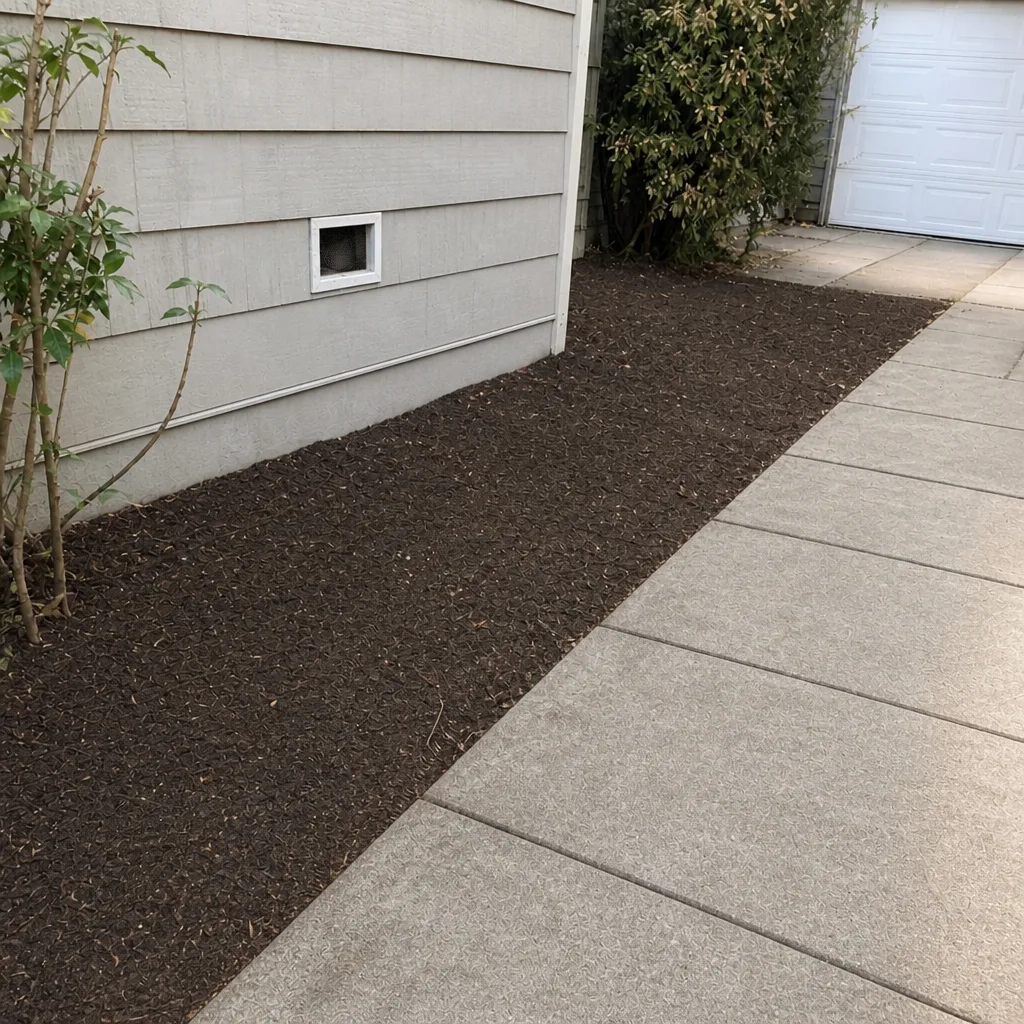
Whole-system duct and dryer vent check with before-and-after photos - you see exactly what came out of your vents
That "$99 whole-house special" is a bait ad - the real number appears once they are in your hallway, or the "clean" is a shop-vac at the register. We photograph the inside of your ducts before and after instead.
Seasonal Air Duct Cleaning Care for Washington Square: Year-Round Homeowner’s Guide
Most homeowners think a mild climate is easy on an HVAC system. In Washington Square, the opposite is true. Because winters rarely get cold enough to force long heating cycles and summers rarely push the system to run hard for days, your HVAC equipment operates in a low-and-slow pattern nearly every month of the year. That steady, gentle duty cycle is exactly the condition that lets dust, pollen, smoke residue, and biological growth settle inside ducts without ever being pushed out. A system that runs hard for three months a year gets a natural purge. Yours doesn’t. This guide walks month by month through the air-quality seasons of Washington Square and shows what your duct system needs at each stage.
Styles & brands we work with
- Whole-home duct cleaning
- Dryer vent cleaning
- Camera inspection
- Sanitizing & deodorizing
Quick Answer
In Washington Square, air duct cleaning should follow the local air-quality calendar rather than a generic yearly schedule: prepare the system before wildfire season ramps up in July, clean again after any smoke intrusion, basement flood, or major renovation, and adjust your filter rating seasonally so the equipment isn’t choked by static pressure. A full professional cleaning and sanitizing once the system shows accumulation, plus sealing any leaks the cleaning reveals, keeps indoor air stable all year.
Table of Contents
- Why Washington Square’s Mild Climate Is Hard on Ducts
- The Month-by-Month Air Quality Calendar for Washington Square
- Why Low-Duty HVAC Operation Contaminates Ducts Faster
- Pre-Fire-Season Preparation: What to Do Before Late Summer
- Post-Event Cleaning Triggers: Wildfire, Flood, Renovation
- Adjusting MERV Ratings Seasonally Without Overloading Your Equipment
- What a Professional Cleaning Actually Involves
- Dryer Vent Care Through the Year
- Common Mistakes to Avoid
- When to Call a Professional
- Frequently Asked Questions
- The Bottom Line
Why Washington Square’s Mild Climate Is Hard on Ducts
A duct system in a harsh climate gets stressed and rested in cycles. Furnaces run hard all winter, air conditioners push full volume in summer, and the sheer airflow moves debris toward the filter where it belongs. Washington Square doesn’t work that way. The moderate temperature range means your heating and cooling equipment mostly runs in short bursts, all twelve months, never long enough to scour the duct interior clean.
Add the local air. Wildfire smoke drifts into the region from July through October. The marine layer keeps humidity elevated through parts of the year in a way that supports mold and mildew growth inside cool, dark ductwork. Spring brings a heavy pollen load. Fall brings its own allergen peak as vegetation breaks down. None of these is dramatic on its own. Together, they mean your ducts are collecting something new almost every month while low-duty airflow keeps depositing it rather than clearing it.
This is the practical difference in Washington Square: cleaning isn’t a once-a-decade chore tied to visible dust. It’s maintenance tied to the local environmental calendar, and it pays off in equipment efficiency, filter life, and cleaner air at the register.
The Month-by-Month Air Quality Calendar for Washington Square
Here’s how the year breaks down for a typical Washington Square home. Use this as a planning reference, not a rigid schedule. The right timing depends on whether you’ve had a renovation, a smoke event, or a water intrusion that changes the picture.
January through March: Winter construction season. Indoor remodels, drywall work, and panel upgrades put fine particulate into the air, and a system running on low duty circulates it through the ducts for months. If you’re renovating, plan a cleaning after the drywall dust settles.
April through June: Spring pollen peak followed by early allergen season. Filters load faster during these months. This is also the practical window to clean the system and get it ready before smoke season, since cleaning later competes with summertime demand.
July through October: Wildfire smoke season. AQI spikes push homeowners to close windows and run the system on recirculation, which concentrates whatever is already in the ducts. Your filter and duct condition matter most now.
October through December: Fall allergen peak and the wetter months when the marine layer holds humidity longer. Damp, cool duct interiors are where biological growth takes hold if there’s any moisture source. This is the season to seal leaks and address anything cleaning turned up.
How the local seasons interact
The key insight is that these seasons stack. Smoke residue that settles in September sits in the ducts until the next cleaning pushes it out. Pollen from April is still in the return plenum in August unless it’s been removed. A homeowner in Washington Square who cleans once a year can miss the interplay entirely, which is why we tend to recommend timing the cleaning around the two highest-stress events (post-smoke and post-pollen) rather than picking a single month and sticking to it forever.
Why Low-Duty HVAC Operation Contaminates Ducts Faster
This is the counterintuitive part of air quality in Washington Square. You’d expect a system that runs less to stay cleaner. In practice, the opposite happens for two reasons.
First, low and intermittent airflow doesn’t move enough air volume to keep fine particles suspended long enough to reach the filter. Dust, pollen, and smoke residue settle on duct walls, in the return drops, and on the blower housing. Once settled, they stay until something agitates them.
Second, the system never dries out fully. Short run times don’t evaporate condensation on the evaporator coil or in the duct lining the way a hard-working system would. In a humid stretch, that lingering moisture plus settled dust is the recipe for biological growth and musty odor.
The professional fix is mechanical agitation and extraction, not just a filter change. A rotary-brush system knocks settled debris off the duct walls so negative-pressure equipment can capture it. Blowing air through the system without extraction just redistributes what’s already there, which is the mistake we see most often in the trade. Purpose-built equipment matters here: a shop vacuum repurposed as a duct cleaner won’t move enough volume to clear a return trunk.
Signs your low-duty system has accumulated debris
- Musty or dusty smell when the system first kicks on
- Visible dust streaks around supply registers
- Allergy symptoms that track with the HVAC running more
- Filters loading faster than they used to
- Uneven airflow between rooms that didn’t used to be uneven
Pre-Fire-Season Preparation: What to Do Before Late Summer
Smoke season in Washington Square is predictable enough that you can get ahead of it. The goal is to arrive in July with a clean, sealed, well-filtered system so that when AQI climbs and windows close, the air your system is recirculating is as clean as it can be.
- Schedule a full cleaning in late spring or early summer. Remove accumulated pollen, dust, and any residue from the previous smoke season. A clean system responds better when smoke does arrive.
- Sanitize after cleaning. Post-cleaning sanitizing treats the duct surfaces and addresses any biological growth that has taken hold in the humid stretches. We apply Guardsman-grade sanitizing products for surface treatment inside the duct system.
- Seal what cleaning reveals. Any leak in the duct system pulls in unconditioned air from the attic, crawlspace, or wall cavities, and during smoke season that air is outdoor smoke. Sealing the seams and joints keeps the smoke outside where it belongs.
- Upgrade filtration thoughtfully. A higher-MERV filter captures more smoke particulate, but the system has to be able to handle the added static pressure. We’ll get to sizing that in the MERV section below.
- Address dryer vent separately. Smoke season isn’t a driver here, but late spring is a sensible time to handle it along with the duct cleaning, since the appointment is already happening.
One note on timing: Washington Square doesn’t get many summer smoke prep days that feel urgent because the air looks fine in June. That’s exactly when the work should be done, before the smoke arrives and the appointment calendar fills.
Post-Event Cleaning Triggers: Wildfire, Flood, Renovation
Seasonal timing is the baseline. Specific events are the triggers that override the baseline. In our experience, a Washington Square homeowner usually calls after one of three things, and each demands a different response.
After a nearby wildfire
Smoke intrusion is a contamination event, not a maintenance cycle. Ash and fine particulate settle throughout the return system and coat the coil. If you can smell smoke inside the house after the smoke has cleared outside, or if filters keep loading with fine grey debris, the system needs cleaning. Abatement Technologies equipment is the right fit here because it handles contamination-level extraction and post-remediation cleanup that a basic duct cleaning setup isn’t built for.
After a basement flood or water intrusion
Any water event that reaches the duct system raises the possibility of mold growth inside the duct. That’s not a case for a standard cleaning and light vacuuming. It’s a case for contaminant-grade extraction and sanitizing, because the problem is biological, not just particulate. Get the system evaluated quickly rather than waiting for a musty smell to confirm what’s already happened.
After a major renovation
Drywall dust, insulation fibers, and construction particulate are among the worst things to leave sitting in a duct system. The renovation itself is the trigger, not the calendar. Cleaning should follow once the dust-generating work is finished, not during. If you’re renovating in winter in Washington Square, this can happen on a season where nothing else would normally prompt the call.
Adjusting MERV Ratings Seasonally Without Overloading Your Equipment
MERV ratings and static pressure are the technical side of seasonal air quality most homeowners get wrong. Higher MERV means finer particulate capture, but it also means more resistance to airflow. Every system has a rated static pressure it’s designed to handle. Put too restrictive a filter in and the blower has to work harder, airflow drops across the coil, and you get comfort and efficiency losses that outweigh the filtration benefit.
The practical approach in Washington Square is to match the filter to the season and the equipment.
- Spring allergen season: a moderate step up in filtration can help capture pollen before it settles in the ducts, provided the system has the airflow headroom.
- Smoke season: higher filtration makes the most difference here, but this is also the season where an over-restrictive filter causes the most visible problems (short cycling, uneven cooling). Pay attention to whether your system is keeping up.
- Cooler months: a lower-MERV filter that’s changed on schedule often serves better than a high-MERV filter left in too long, since a loaded filter is itself a restriction.
For homeowners who want year-round filtration improvement without fighting the blower, whole-home air quality solutions from Aprilaire and Honeywell are worth discussing. A properly sized media cabinet or air cleaner handles higher capture at lower static pressure than an oversized filter shoe, which lets you keep filtration high through smoke season without the equipment penalty.
What a Professional Cleaning Actually Involves
A well-run cleaning follows a sequence, and the sequence matters. Skipping steps is what separates a legitimate appointment from a quick vacuum pass.
- Inspection and assessment. Identify the system layout, note any obvious contamination, and check whether there’s moisture or biological growth that will change the plan.
- Mechanical agitation. A Rotobrush rotary-brush system works the duct walls to break settled debris loose. This is the critical step that a vacuum-alone approach misses.
- Negative-pressure extraction. Nikro negative-pressure equipment holds the duct under contained suction so that loosened debris is captured, not blown into the house.
- Contamination-level response if needed. For smoke, mold, or post-renovation scenarios, Abatement Technologies tools handle the remediation-grade extraction.
- Sanitizing. Guardsman-grade sanitizing products treat duct surfaces after the cleaning, addressing what agitation and extraction alone can’t reach.
- Repair and sealing. Anything the inspection and cleaning turned up gets addressed: leaking joints, torn flex duct, disconnected runs. We clean the system, then we seal it, so it stays clean.
That sequence is why the full lifecycle coverage matters. If a cleaning surfaces a duct problem, having repair and sealing handled in the same appointment keeps a Washington Square homeowner from running a second contractor through the same house.
Dryer Vent Care Through the Year
Dryer vent cleaning isn’t an add-on. It’s a fire-prevention appointment. Lint accumulation in the vent path is a fire risk that grows slowly and gives no warning until it’s a problem, and the seasonal calendar doesn’t change the underlying math much in Washington Square.
The practical guidance: clean the dryer vent independently of the air duct season, and treat the transition into colder months as a natural reminder, since dryers run more heavily through winter. A dryer that takes longer to dry a load, feels hot to the touch on the outside, or shows lint around the vent connection is telling you the exhaust path is restricted. Our dryer vent cleaning appointment handles the full run, not just the connection behind the appliance.
Common Mistakes to Avoid
- Cleaning on a fixed calendar and ignoring local events. A once-a-year habit in Washington Square misses the fact that a smoke event, a flood, or a renovation can each demand cleaning well off schedule. The local calendar is a baseline; events are the trigger.
- Assuming the low-duty system stays cleaner. It doesn’t. Intermittent airflow lets contaminants settle. Waiting for visible dust or a strong smell means you’ve been breathing the accumulation for months.
- Oversizing the filter without checking static pressure. Dropping in the highest-MERV filter you can find chokes airflow on systems that weren’t specced for it. Better capture at equipment penalty is a net loss.
- Treating smoke intrusion like ordinary dust. Wildfire residue is contamination, not routine accumulation. It needs the extraction and sanitizing steps that a standard cleaning approach skips.
- Skipping the seal after the clean. A cleaned system with leaking joints pulls outdoor air back into the ducts, and in Washington Square during smoke season that air is smoke. Sealing is part of the service, not a separate upsell.
- Letting a generalist handyman run the job. A shop vacuum and a hose won’t move enough volume to clear a return trunk. Purpose-built equipment isn’t a marketing claim here; it’s the difference between agitation-and-extraction and redistribution.
- Ignoring the dryer vent because it isn’t HVAC. It’s a fire-safety item on its own cycle, and it should be handled as such rather than tacked onto the duct cleaning as an afterthought.
When to Call a Professional
The right time to call is any of the following: after a nearby wildfire has pushed smoke into the house, after a basement flood or water intrusion that reached the duct system, after a renovation that generated drywall or insulation dust, when allergy symptoms track with the HVAC running, when filters load faster than they used to, or when a home inspection flags the duct system. If you can’t remember when the system was last cleaned and you’ve been through a smoke season in Washington Square since then, it’s time.
We answer 24/7. Fast dispatch from 7am to 7pm, Sunday through Friday. A call outside dispatch hours is booked into the next opening.
Air Duct Cleaning Washington Square offers free estimates in Washington Square. Call (877) 792-6053. Estimates are free and the price is set per job by the written estimate.
Frequently Asked Questions
Most Washington Square homes benefit from a full cleaning and sanitizing tied to the local air-quality calendar, with the timing driven by smoke season, pollen season, and whether there’s been a renovation, flood, or smoke event. The once-a-year generic answer doesn’t fit a mild climate where the system runs on low duty all year. Call (877) 792-6053 for an exact assessment and quote. Estimates are free.
Air duct cleaning in Washington Square is priced per system, not per vent, and the written estimate sets the final price. Whole-system work generally falls within a range that reflects the size of the system and the condition of the ducts, and a system needing contamination-level extraction or sealing will differ from a routine cleaning. We don’t quote teaser per-vent figures. Call (877) 792-6053 for a free estimate.
Cheap quotes usually reflect a different scope of work: a shop vacuum pass without mechanical agitation, no negative-pressure extraction, no sanitizing, and no sealing. That gets some dust off the surface but doesn’t clear settled debris from the duct walls, and it doesn’t address contamination from smoke or biological growth. You pay for what’s actually performed. Call (877) 792-6053 to compare a real scope against what you’ve been quoted elsewhere.
Ask for before-and-after documentation and for confirmation of the equipment used on your system. A legitimate cleaning involves visible, identifiable steps: rotary-brush agitation, negative-pressure extraction, post-cleaning sanitizing, and any repair and sealing the inspection turned up. That’s a process you can confirm, not a promise. Call (877) 792-6053 to walk through the scope before booking.
Recirculation helps keep new smoke out, but it also concentrates whatever is already sitting in the ducts, which is why pre-season cleaning matters more than the mode you run. If the ducts haven’t been cleaned before smoke season, the system is circulating old accumulation along with the current air. Call (877) 792-6053 to schedule pre-season cleaning in Washington Square.
A moderate step up in filtration can help during smoke season, provided your system has the airflow headroom to handle the added static pressure. Oversized filters on equipment that wasn’t designed for them cause more problems than they solve. Ask about whole-home solutions sized for your system before you change filter ratings. Call (877) 792-6053 for a free estimate.
The Bottom Line
Washington Square’s mild climate doesn’t protect your duct system; it changes what stresses it. Year-round low-duty HVAC operation lets contaminants settle instead of clearing, while wildfire smoke, a persistent marine layer, spring pollen, and winter construction each add their own load on a different schedule. The practical response is to time cleaning to the local air-quality calendar, prepare before smoke season, clean after any event that pushes contaminants into the ducts, adjust filtration without choking airflow, and seal what the cleaning reveals. That sequence, run with professional-grade equipment, is what keeps indoor air steady across all twelve months. See our air duct cleaning Washington Square page for the full service scope, and our air duct cleaning details for the cleaning process itself. If you need HVAC cleaning as part of the same appointment, we handle that too.
Ready to plan the next cleaning around Washington Square’s seasons? Call (877) 792-6053 for a free estimate. We answer 24/7, with fast dispatch from 7am to 7pm, Sunday through Friday. The price is set per job by the written estimate, and when the work is done you’ll have before-and-after photos of your own ducts, backed by a satisfaction guarantee.
Written by the team at Air Duct Cleaning Washington Square.
See the difference
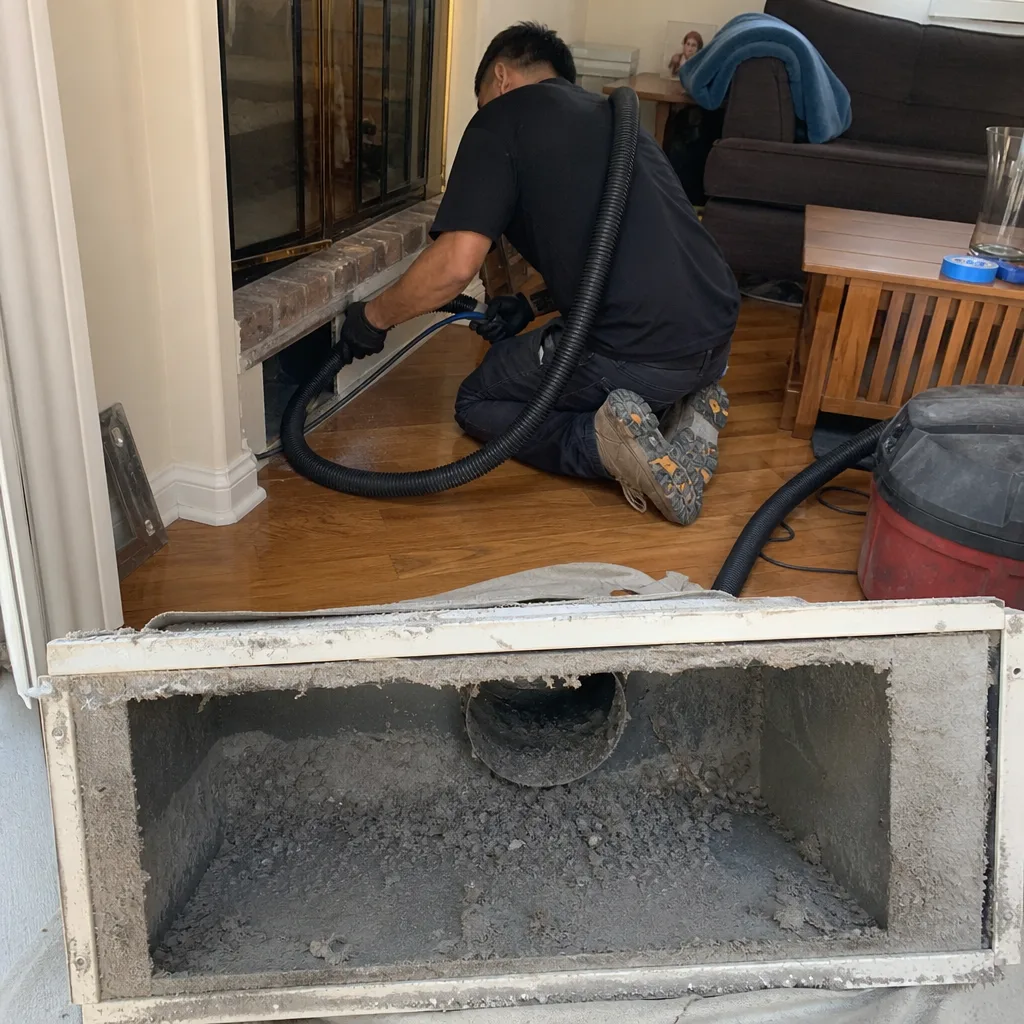 Before
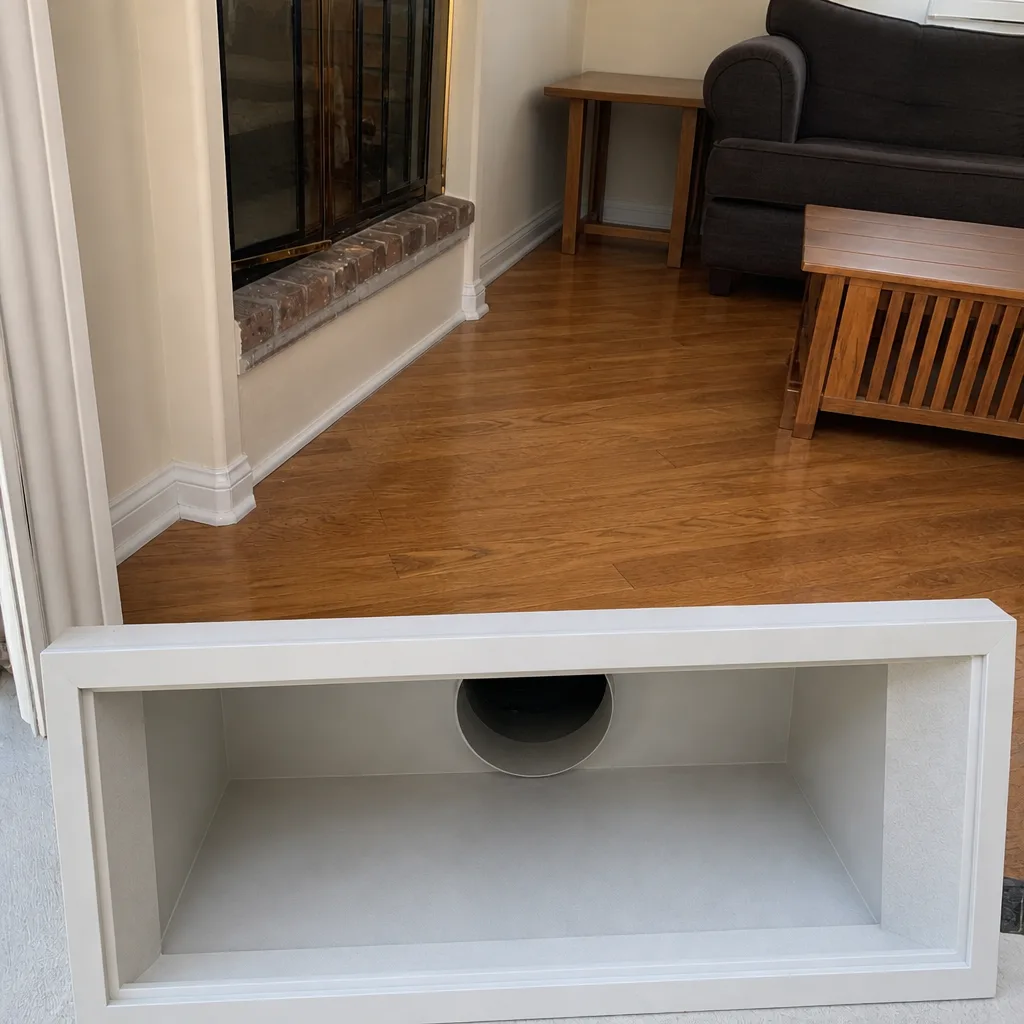 After
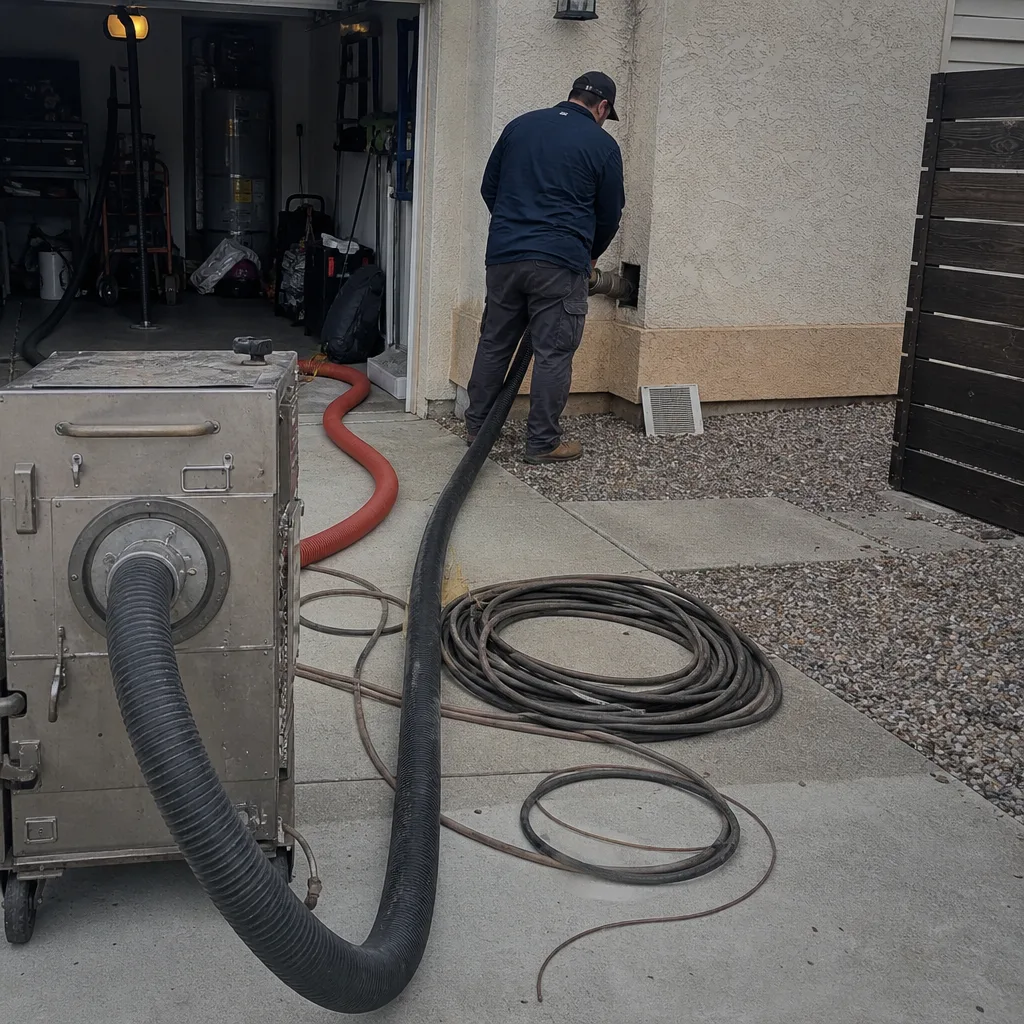 Before
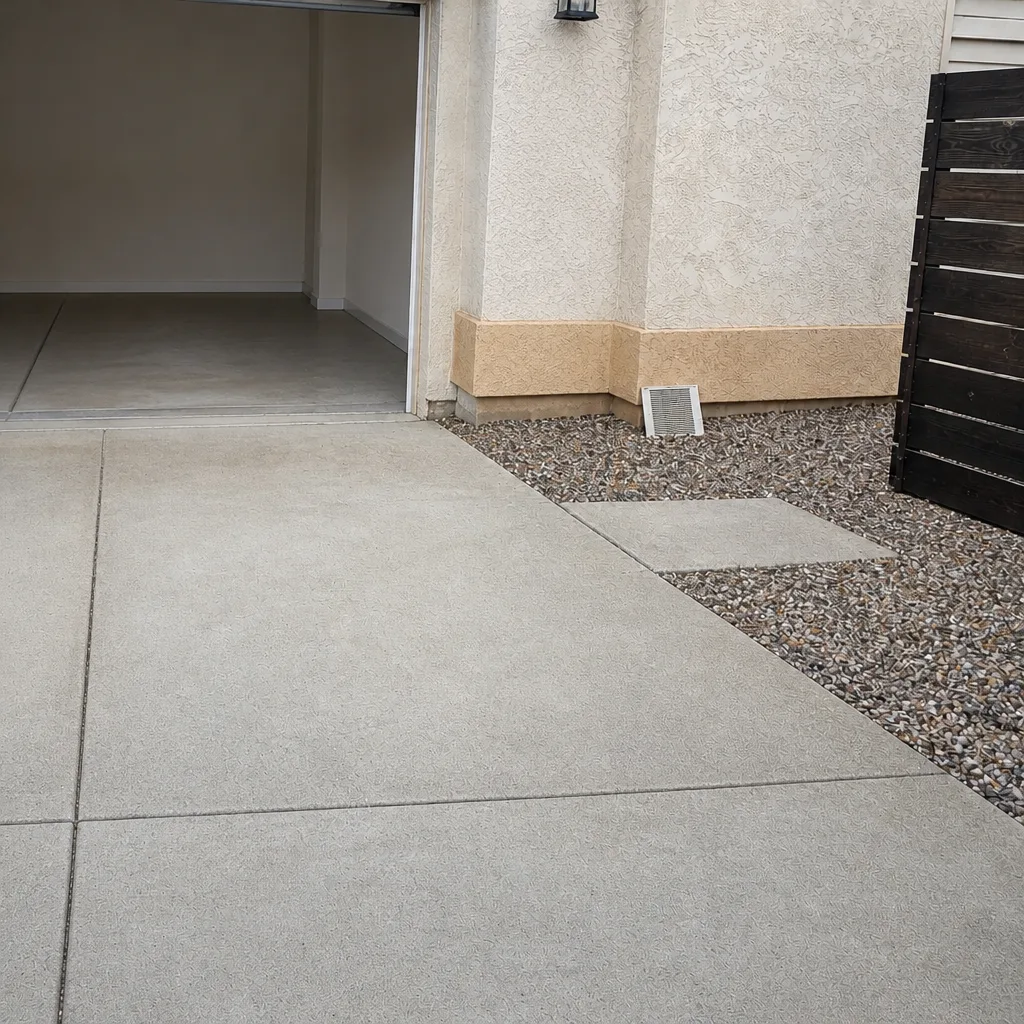 After
 Before
 After