
Last updated November 25, 2026
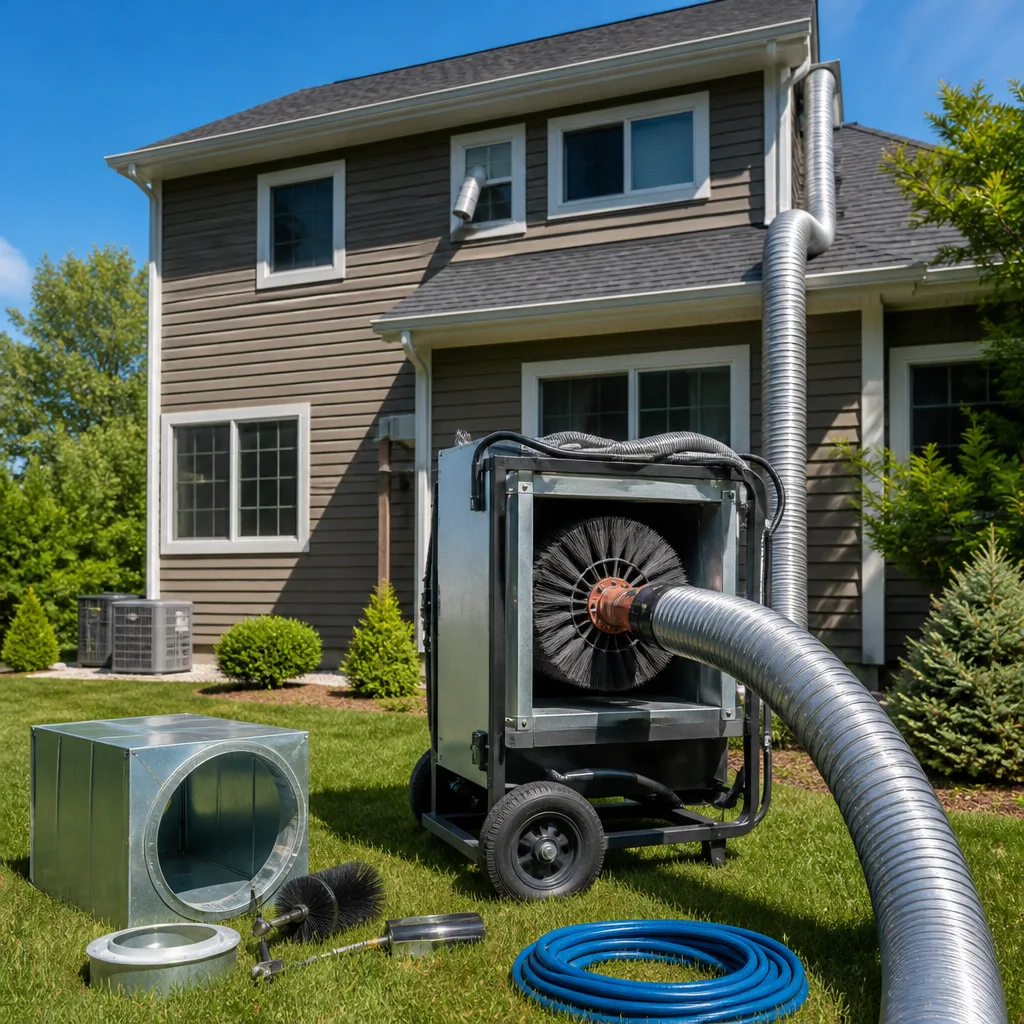 Whole-home duct cleaning
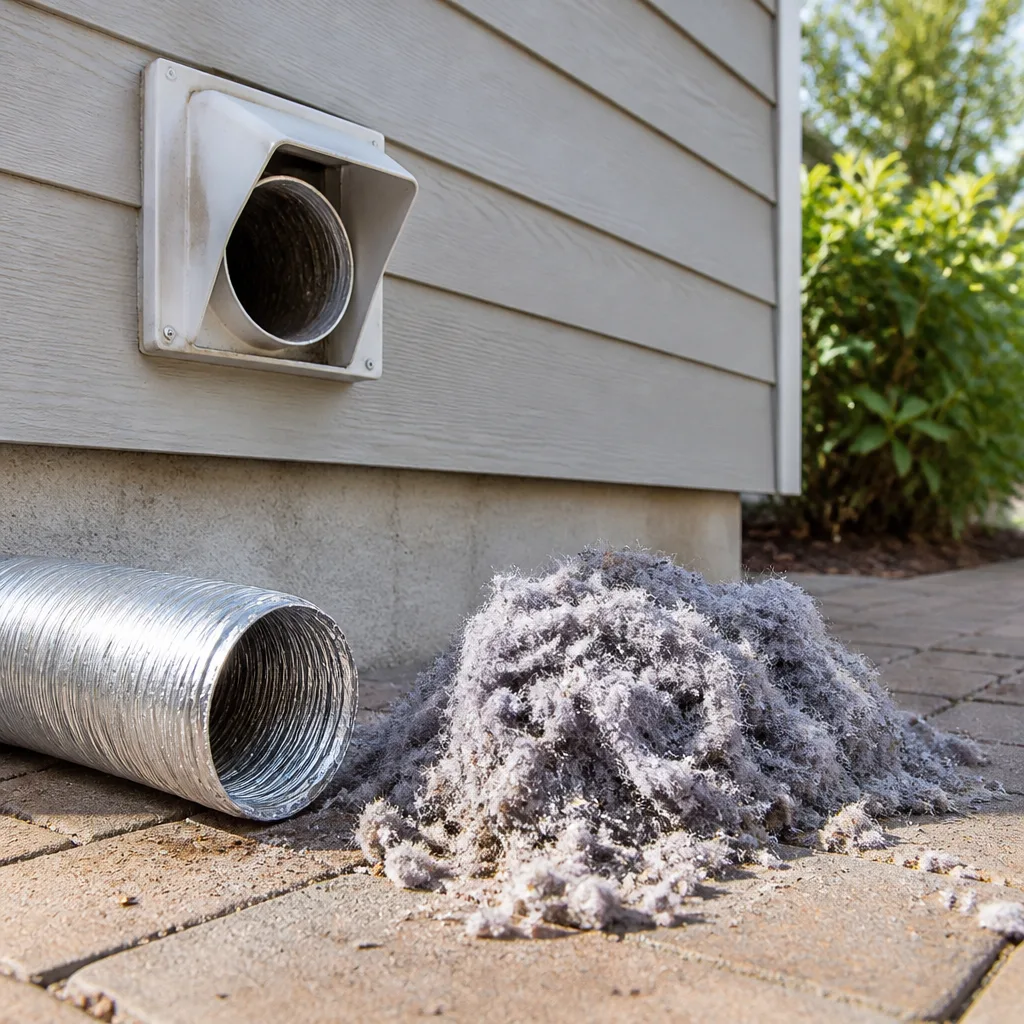 Dryer vent cleaning
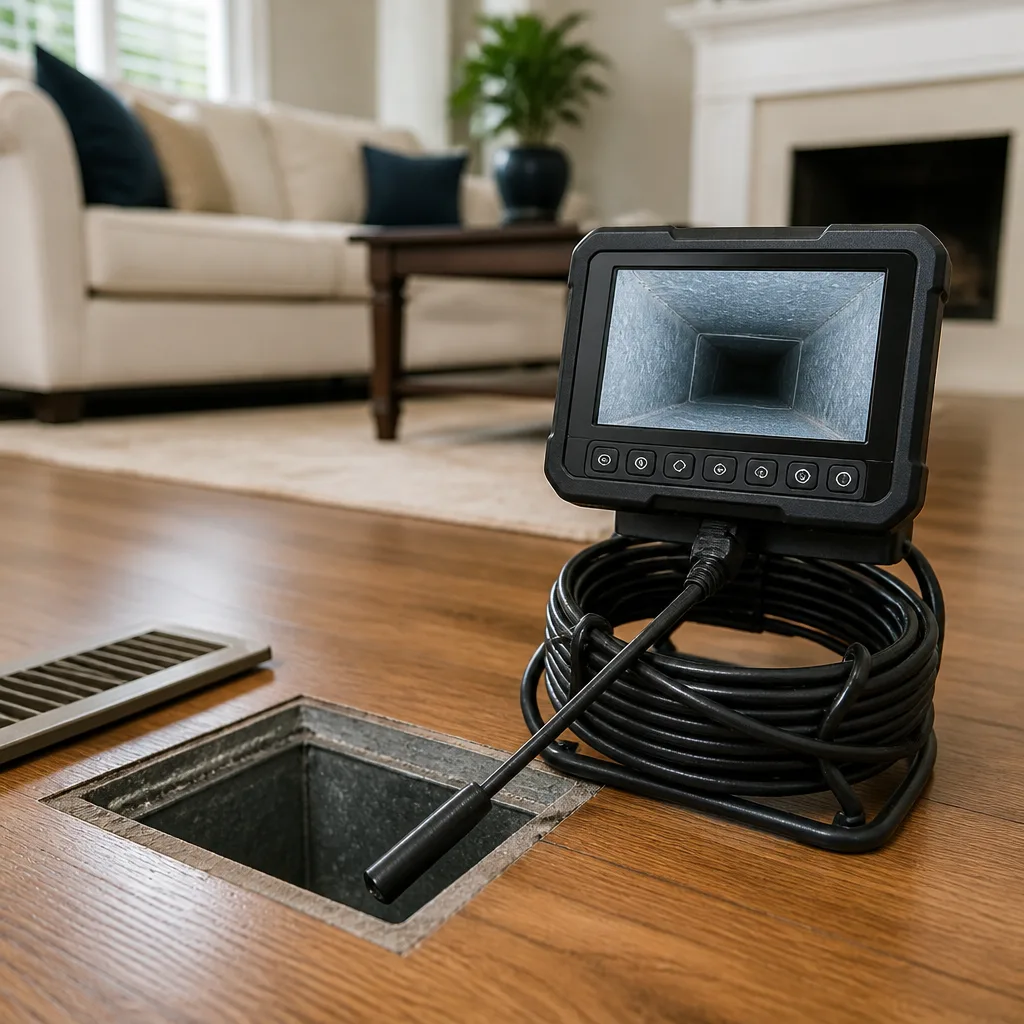 Camera inspection
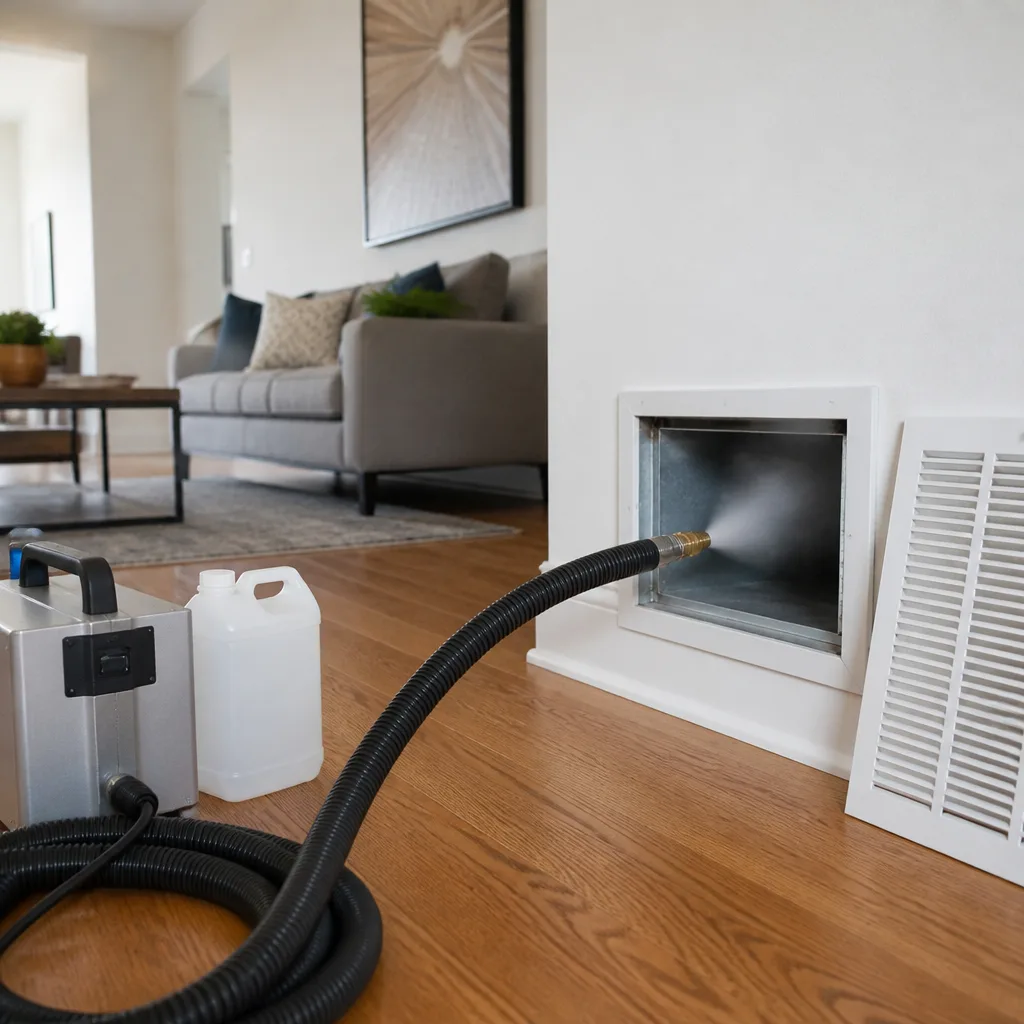 Sanitizing & deodorizing
Whole-system duct and dryer vent check with before-and-after photos - you see exactly what came out of your vents
That "$99 whole-house special" is a bait ad - the real number appears once they are in your hallway, or the "clean" is a shop-vac at the register. We photograph the inside of your ducts before and after instead.
How to Hire an Air Duct Cleaning Contractor in Washington Square: A Step-by-Step Guide
In California, nothing stops an unlicensed operator from calling themselves an air duct specialist. The barrier to entry is a van, a shop-vac, and a flyer. That’s not a knock on honest generalists; it’s just the reality of a trade where the state issues no duct cleaning license, so the paperwork you’d normally check simply doesn’t exist. That leaves Washington Square homeowners with one real protection: knowing exactly what to ask before anyone opens a register. This guide walks you through the equipment questions, the quote structure, and the red flags that separate a professional duct cleaning from a glorified vacuum sweep.
Quick Answer
To hire an air duct cleaning contractor in Washington Square, verify three things before booking: the vacuum collection unit’s airflow rating and whether it’s truck-mounted or portable, whether the crew uses mechanical agitation tools rather than compressed air alone, and whether you get a written line-item scope before anyone arrives. A legitimate contractor will answer all three without hesitation and put the scope in writing. If any of those answers are vague or refused, keep calling.
Styles & brands we work with
- Whole-home duct cleaning
- Dryer vent cleaning
- Camera inspection
- Sanitizing & deodorizing
Table of Contents
- Why Hiring a Duct Cleaner in Washington Square Is Harder Than It Looks
- The Three Equipment Questions That Reveal a Real Duct Cleaner
- What NADCA Membership Actually Tells You
- How to Read a Duct Cleaning Quote
- Red Flags Specific to California’s Discount Operators
- What a Professional Duct Cleaning Visit Actually Looks Like
- What to Request in Writing After the Job
- Common Mistakes to Avoid
Why Hiring a Duct Cleaner in Washington Square Is Harder Than It Looks
California doesn’t license duct cleaning. Unlike electrical work or plumbing, there is no state exam, no apprentice hours, no bond that filters out the bottom of the market. Anyone with a business license and a vacuum can advertise. That means the normal shortcut homeowners use, checking a license number against a state database, gives you almost nothing to work with here. You have to audit the work another way.
Washington Square adds its own wrinkle. The housing stock is a mix of older single-family homes and multi-unit buildings, and in a mild climate like ours, HVAC systems often run lightly for much of the year. Light use can mean dust and debris settle and accumulate without the constant airflow that would otherwise move it along. That doesn’t automatically mean every system needs cleaning, but it does mean a visual inspection of the supply registers tells you very little. A homeowner looking at a clean-looking vent cover in a Washington Square living room is not seeing what’s sitting in the trunk line behind the drywall.
There’s a second problem: the market draws discount operators who target exactly this kind of uncertainty. Whole-house offers undercut every professional in town, and they work because most homeowners don’t know what questions to ask. That’s the gap this guide fills. Learn the equipment standards and the quote structure, and the difference between a real duct cleaning and a sales visit becomes obvious within a five-minute conversation.
One more piece of local context: Washington Square sits in an area where outdoor air quality shifts with wildfire season and traffic, and where pollen runs long through spring. A system pulling that air through a filter only filters what reaches the filter. Debris that’s already settled inside the ducts stays put until someone agitates it and extracts it. That’s a mechanical job, not an air freshener job.
The Three Equipment Questions That Reveal a Real Duct Cleaner
This is the core of the whole guide. Ask these three questions on the phone, before you book. The answers separate a duct cleaning specialist from a generalist with a shop vac. You don’t need to be an HVAC technician to evaluate the response, just listen for specifics versus hand-waving.
- What is the CFM rating of your vacuum collection unit, and is it truck-mounted or portable? CFM stands for cubic feet per minute, the measure of how much air the vacuum moves. Professional duct cleaning requires enough negative pressure to keep loosened debris moving toward the collection point instead of settling back into the room or drifting into other parts of the house. A portable unit running on a standard outlet can’t pull the airflow a purpose-built system can. A truck-mounted or high-CFM portable collection system is the baseline. If the contractor can’t quote a CFM figure or explain the difference, they are not running professional equipment.
- Do you use contact cleaning tools, or just compressed air? Compressed air alone blows dust loose but doesn’t remove it, and it can push contamination deeper into the system. Professional cleaning uses mechanical contact tools: rotary brushes that physically agitate the duct walls, plus whip lines and cable-driven tools that reach the full length of a run. The equipment brand matters less than the method, but a contractor running a Rotobrush rotary-brush system is using the tool the industry designed around.
- How do you contain the work area while you clean? Negative-pressure containment is what stops the cleaning process from becoming a dust event in your living room. The best answer involves a sealed collection setup with HEPA-level filtration, ideally with Abatement Technologies-grade equipment for jobs where contamination is heavier. A contractor who tells you they’ll “just be careful” doesn’t have a containment plan.
Those three questions cover the entire technical floor of a legitimate job. If the answers are specific, the contractor knows their equipment. If they dodge, thank them and move on.
What NADCA Membership Actually Tells You
NADCA is the National Air Duct Cleaners Association, and membership is not a license. It’s a voluntary signal that a company has committed to a published standard. For a homeowner in a state with no duct cleaning license, that signal carries real weight, but only if you understand what it actually promises.
The NADCA standard, sometimes called the ACR standard for Assessment, Cleaning, and Restoration of HVAC systems, lays out specific technical requirements. It defines what “source removal” means (physically removing contaminants, not just blowing them around), it specifies the negative-pressure and containment practices a job should follow, and it sets out the documentation a contractor should provide when the work is done. A company that holds NADCA membership has agreed to work to that standard and to keep its technicians trained on it.
What NADCA membership does not tell you: it isn’t a guarantee of price, and it isn’t a substitute for the equipment questions above. A member could still sub out the work. A non-member could still be excellent. But in a market where the state issues no credential, a membership badge is one of the few third-party verifications available. Ask directly: “Are you a NADCA member, and can you walk me through the ACR standard’s containment requirements?” The answer tells you more than the badge alone.
For a Washington Square homeowner who’s comparing bids, use NADCA membership as a tiebreaker rather than a hard filter. The equipment answers should already have narrowed your list. Membership confirms the contractor takes the standard seriously, and it’s the closest thing to a professional credential you’ll find in this trade in California.
How to Read a Duct Cleaning Quote
A professional quote is itemized. A flat-rate bid is a red flag. That’s the short version, and here’s why it matters so much in Washington Square’s market.
Discount operators quote a single number, often very low, for the whole house. What that number doesn’t include is anything discovered once the crew is inside: additional supply runs, a second story, the return plenum, sanitizing, or any repairs the cleaning reveals. Each of those becomes a “while we’re here” upsell, and because you’ve already committed and the crew is standing in your hallway, you’re in a poor position to negotiate. The low quote was never the real price.
A professional quote looks different. Look for line items that cover:
- Number of supply and return vents being cleaned, itemized rather than bundled into “whole house.”
- Main trunk and plenum cleaning, listed separately because they’re a separate scope of work.
- Sanitizing or surface treatment, priced on its own rather than implied in a single number. We apply Guardsman-grade sanitizing products after cleaning to treat surfaces inside the system.
- Any sealing or repair the contractor spots, quoted as a separate line so you can approve or decline it.
- Access point plan, describing where the crew will cut in to reach the system and how the cuts will be sealed afterward.
Compare quotes on the same scope, not on the bottom number. A $49 whole-house bid and an itemized $400 bid are not the same offer. One covers a pass with a vacuum; the other covers agitation, extraction, containment, and a written record of what was done.
What to ask the estimator
- Will you put the full scope in writing before the visit?
- What does the line-item price include, and what’s excluded?
- Is the price firm, or does it change if the crew discovers a problem?
- Can I see the written scope and approve any additions before they happen?
Any contractor confident in their scope will answer yes to all four. If they push back on the written scope, that’s your answer.
Red Flags Specific to California’s Discount Operators
Duct cleaning in California attracts a specific style of operator: the door-to-door crew, the flyer with a $49 whole-house price, the phone quote that never comes with a written scope. These operators rely on homeowners not knowing what the real job costs. Learn the pattern and the sales pitch stops working.
- Door-to-door solicitation. A legitimate duct cleaning contractor is not going to knock on your door in Washington Square and offer to clean your ducts today because they’re “in the neighborhood.” Duct cleaning is a scheduled job. It requires equipment setup and time. A crew offering it door-to-door is selling a small upsell visit, not a real cleaning.
- “$49 whole house” or similar teaser pricing. That price cannot cover the equipment and labor of a proper cleaning. It’s a hook. What happens after the quote is the real sale, and it’s always larger than the number on the flyer.
- Refusal to provide a written scope before arrival. A serious contractor will put the scope in writing because they stand behind it. A discount operator won’t, because the scope is what they plan to change on day one.
- No equipment questions answered. If the salesperson can’t tell you the CFM of the collection unit or whether they use rotary brushes, they’re not the crew doing the work.
- Pressure to book immediately. Duct cleaning isn’t a same-day-purchase product. A professional is comfortable giving you a written quote and a scheduled visit later in the week.
- No mention of containment or negative pressure. Every quality cleaning involves keeping the work area sealed. If it never comes up, it isn’t happening.
- Sanitizing sold as a standalone without explaining why. Sanitizing is worth doing after a real cleaning. Selling it as the entire service, without source removal first, treats the surface and leaves the debris in place.
Red flags compound. A contractor with one of them may just be disorganized. Two or more together is a clear signal to walk away and call the next number.
What a Professional Duct Cleaning Visit Actually Looks Like
Knowing the sequence of a proper visit makes it obvious when something is off. Here’s the general shape of a professional duct cleaning, without the how-to steps that carry risk to a homeowner trying to do it themselves. Ductwork runs through walls and ceilings with sharp cutting edges, and a system under negative pressure has to be handled carefully. If you’re seeing the crew work, you’re watching to confirm the process, not to repeat it.
- Walk-through and system access. The crew arrives, walks the system with you, and identifies the access points. They’ll tell you where they’ll cut and how the cuts will be sealed.
- Containment setup. The work area is sealed. The collection unit is connected and the system comes under negative pressure, so loosened debris flows toward the collection point instead of out into the room.
- Source removal. Mechanical agitation: rotary brushes, whip lines, and contact tools work the duct walls physically. This is the part most discount operators skip, because it’s the slow, physical work of the job.
- Extraction and collection. A Nikro negative-pressure system pulls loosened debris into a contained filter for the duration of the work.
- Sanitizing. After source removal, Guardsman-grade sanitizing products are applied to treat the interior surfaces. Cleaning first, then sanitizing, in that order.
- Inspection and repair notes. The crew checks the system for leaks, damaged flex connections, or gaps that will make the ducts foul again. Anything needing sealing gets noted, and quotes come after.
- Cleanup and closure. Access cuts are sealed, the work area returns to normal, and the crew documents what happened.
That’s one visit from start to finish. The job takes time. There are no shortcuts around source removal, and any contractor offering to skip it isn’t offering a duct cleaning at all.
What to Request in Writing After the Job
The work isn’t finished when the crew drives away. It’s finished when you have documentation of what was done. That documentation is your proof, and it’s also your protection if a problem shows up later. Ask for these items, in writing, before the visit ends:
- Before-and-after photographs of the main trunk and the return plenum. These matter most because they’re the sections that hold the most debris and are hardest to see. Before-and-after photos of a vent cover are easy to stage. Trunk-line and plenum photos aren’t.
- Access point documentation. Where the crew cut in, and how those cuts were sealed afterward. If a contractor won’t tell you where the access points were, that’s a real problem.
- Notes on any deficiencies found. Leaks, torn flex sections, disconnected runs, or anything that would let debris and pollutants bypass the filter. These are what you’ll use to decide whether sealing or repair is the next job.
- Sanitizing record. What product was applied and at what stage. A written record confirms the sanitizing was done after cleaning rather than before.
- Recommendations for the next interval. How often the specific system in your Washington Square home should be cleaned, based on what the crew saw.
If the contractor can’t provide these, the work may have been done, but the professionalism stops at the door. Documentation is what separates a duct cleaning specialist from a crew with a vacuum and a business card.
Common Mistakes to Avoid
- Hiring on price alone. The cheapest quote is almost always a teaser. The real number arrives after the crew is inside and the scope creep begins. Compare itemized scopes, not bottom lines.
- Not asking about equipment before you book. You can learn everything about a contractor by asking three questions on the phone. Skip them and you’re trusting the flyer.
- Confusing a general HVAC contractor with a duct cleaning specialist. A good generalist can repair a furnace. A duct cleaning requires dedicated equipment and a crew trained on it. They aren’t interchangeable.
- Booking door-to-door or “in the neighborhood today” offers in Washington Square. Real duct cleaning doesn’t come from a knock at the door. It comes from a scheduled appointment with a written scope.
- Skipping the containment conversation. A cleaning without a containment plan is a dust event. Ask how the work area stays sealed before you book.
- Overlooking dryer vent cleaning. The dryer vent runs through the same home, and lint buildup is a real fire-prevention concern, not an optional add-on. If a contractor treats it as an upsell, they’re missing a safety service.
- Not asking for before-and-after photos of the trunk and plenum afterward. Without them, you have no way to verify what actually happened inside the ducts.
See the difference
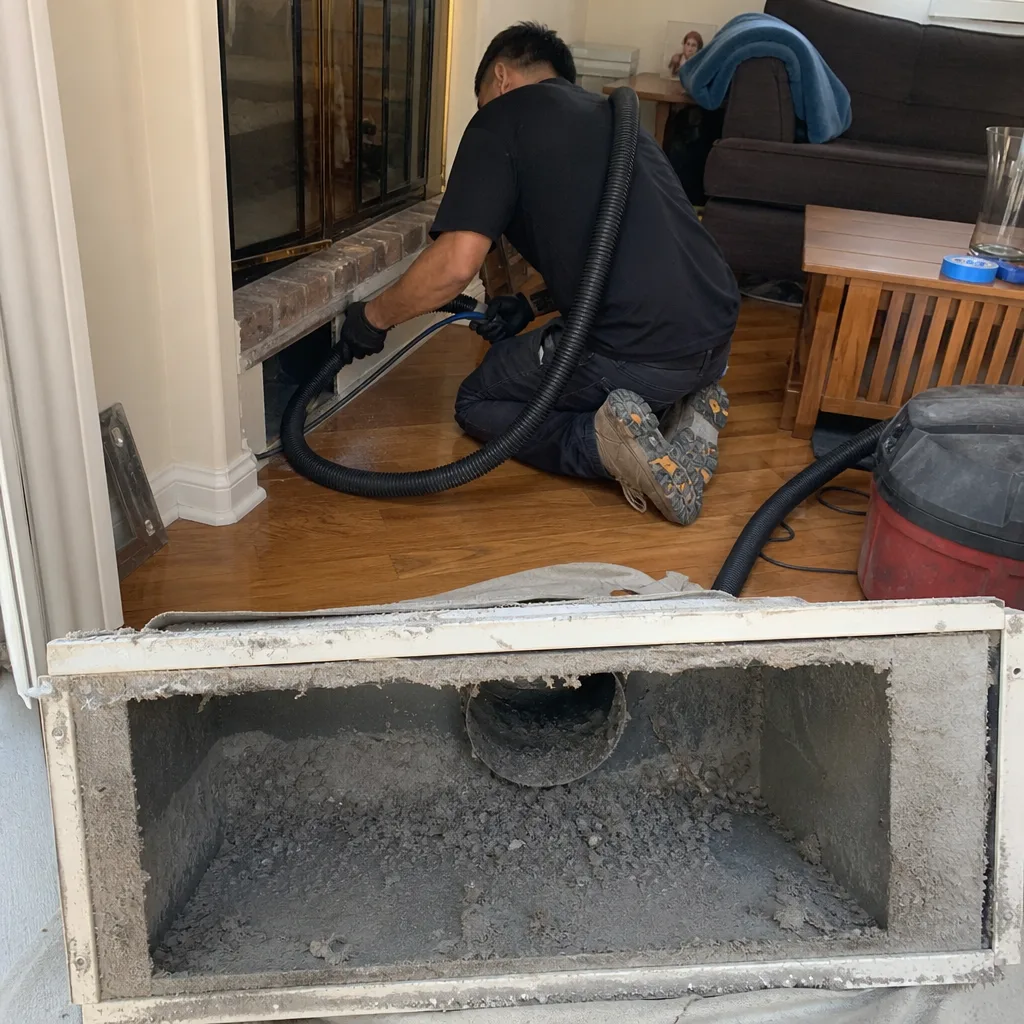 Before
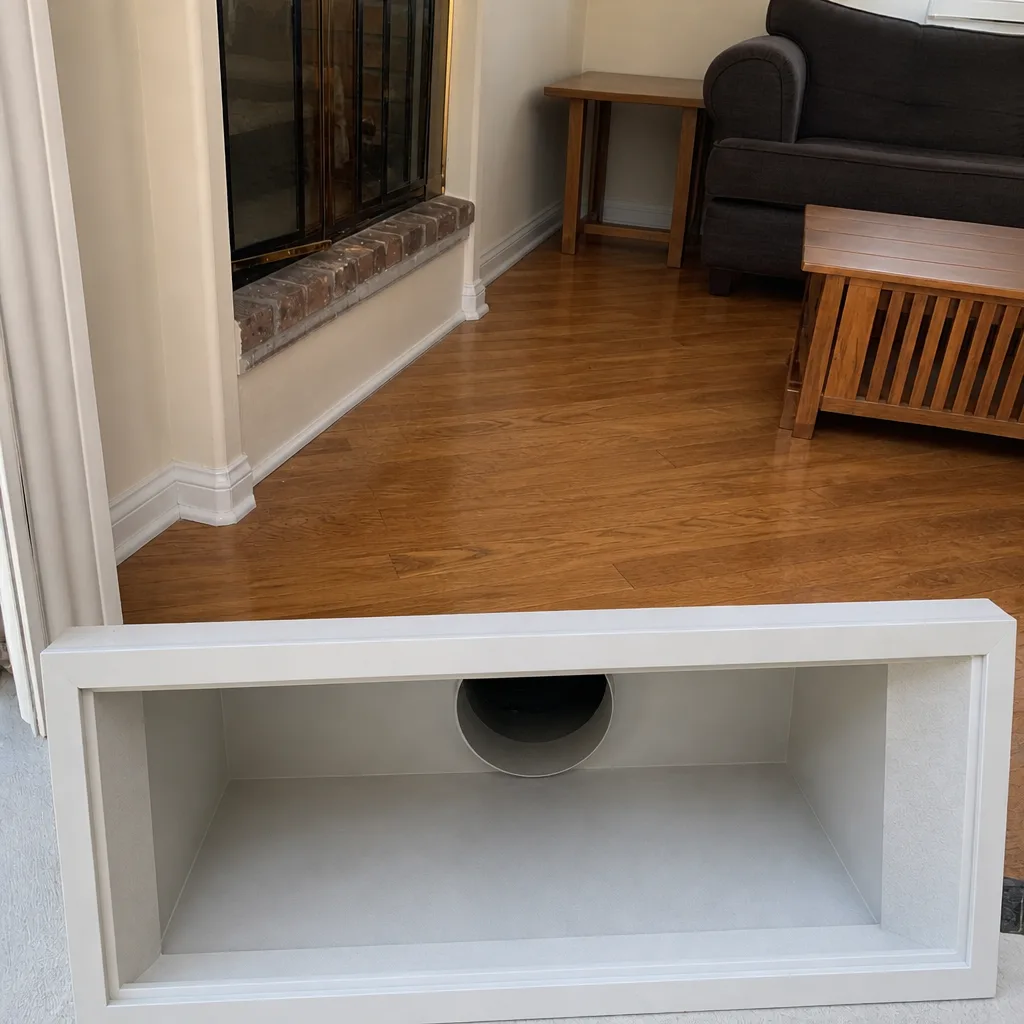 After
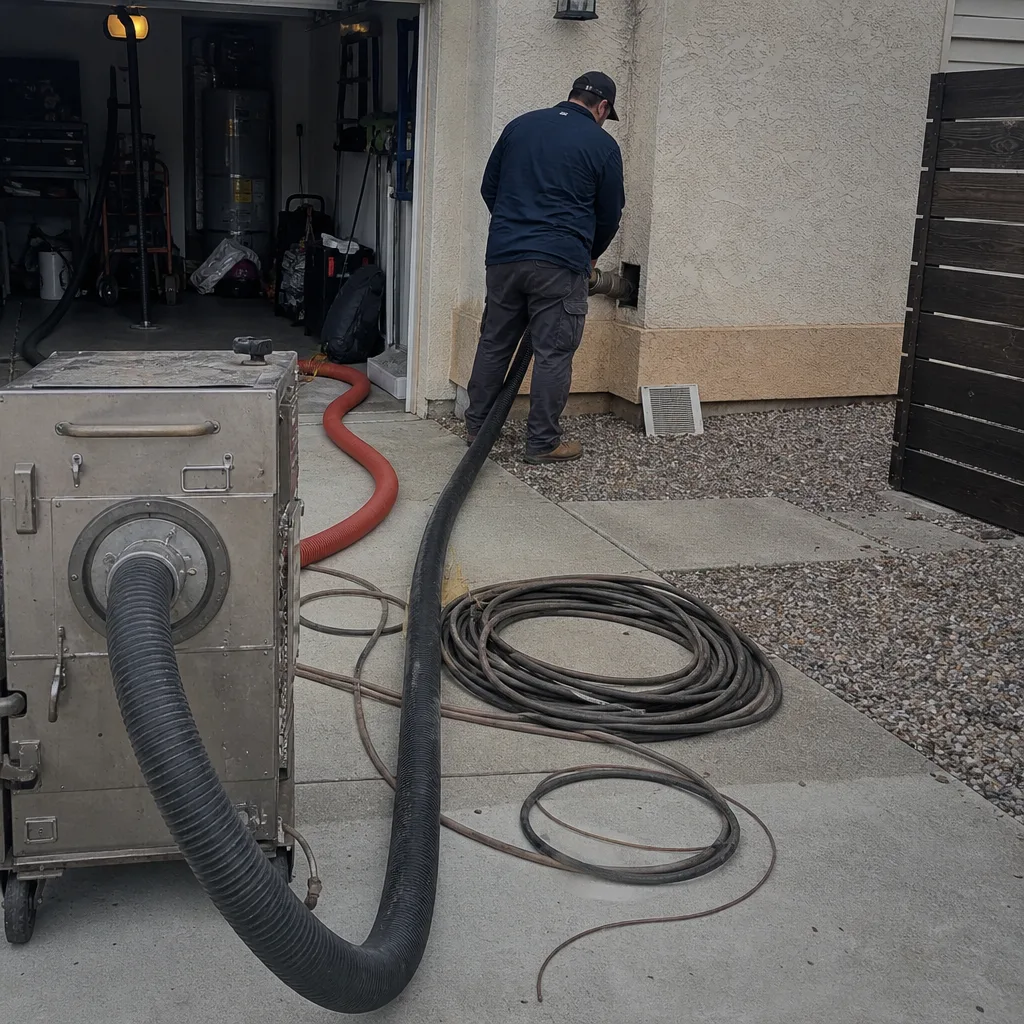 Before
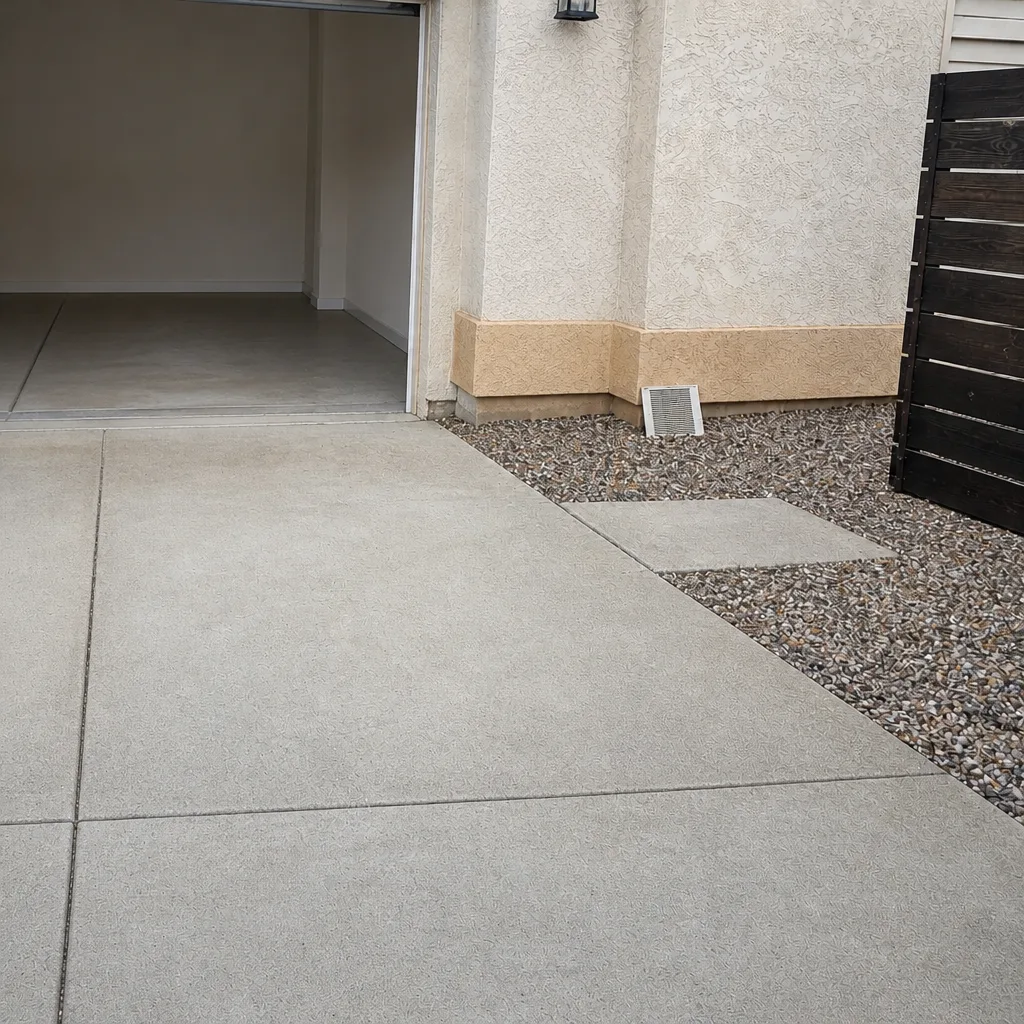 After
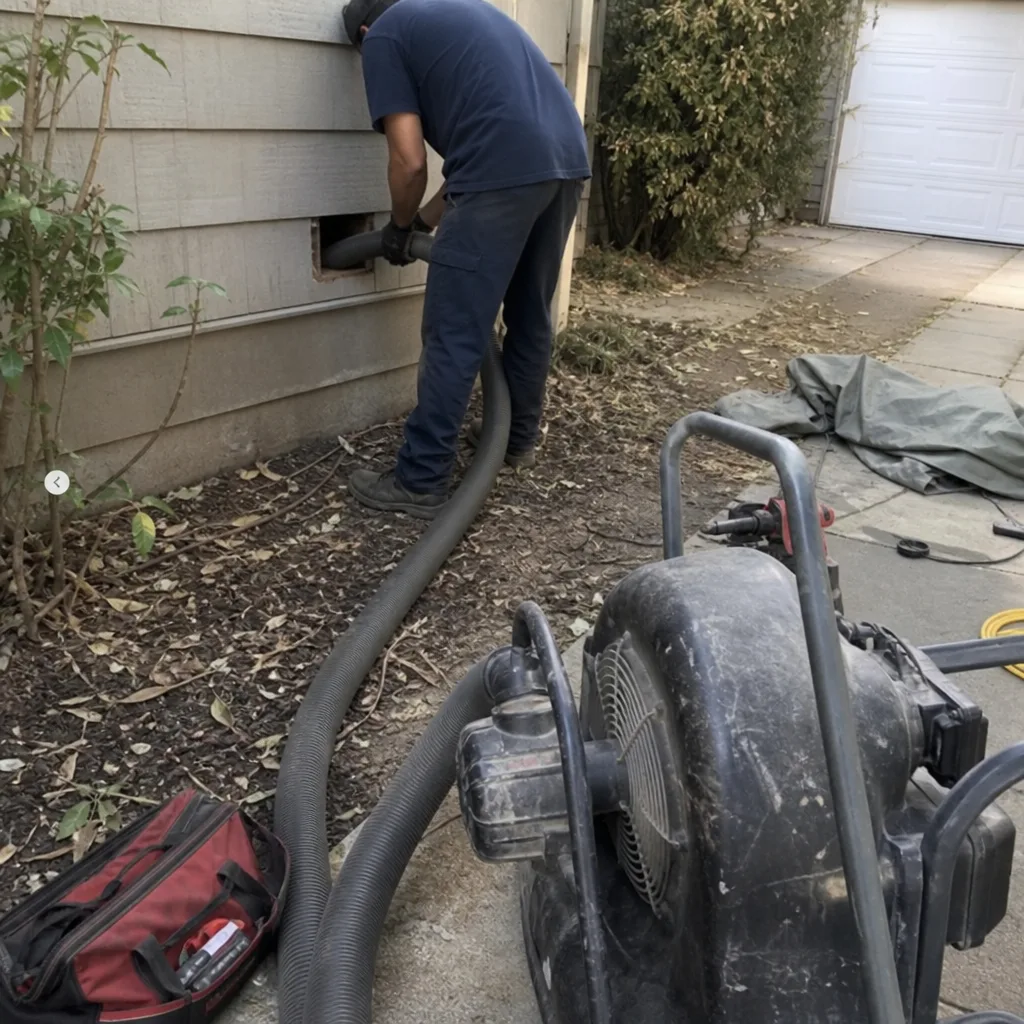 Before
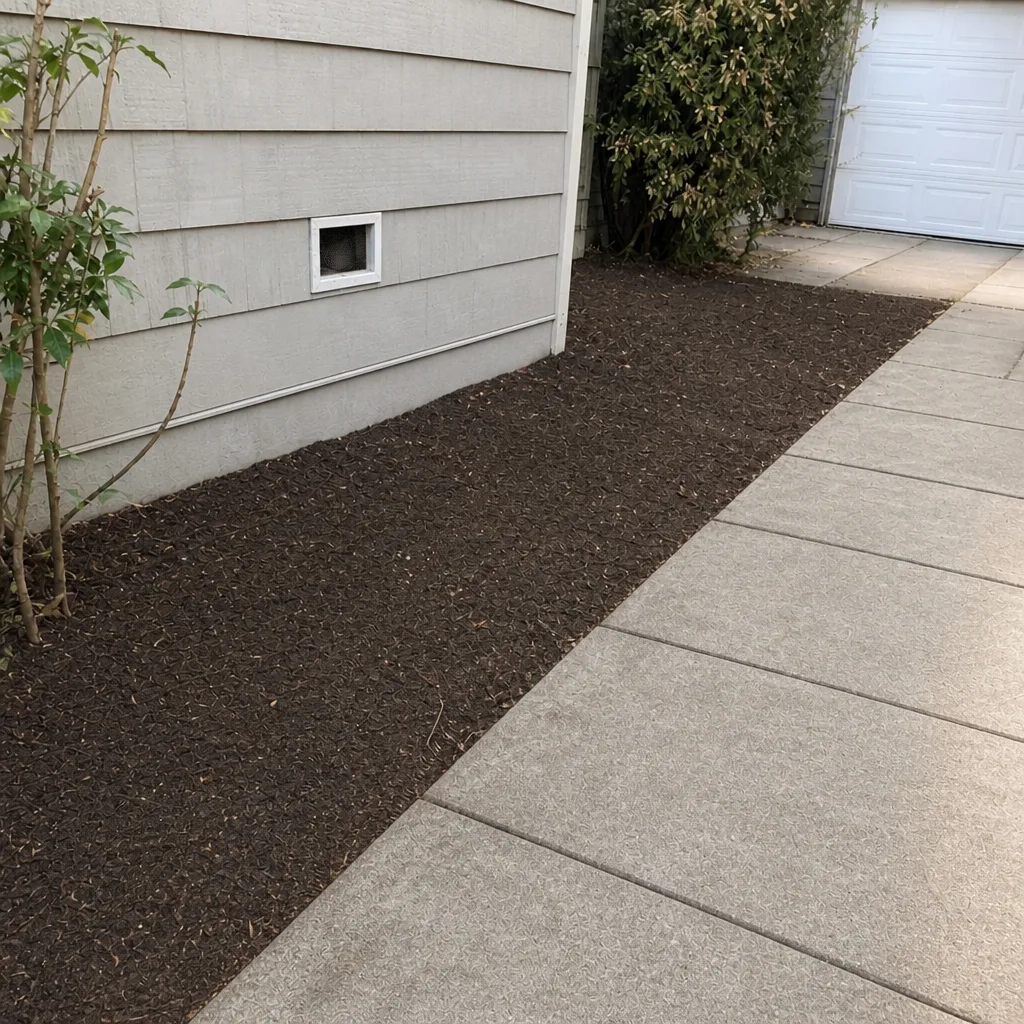 After
When to Call a Professional
Some duct issues are obvious and some aren’t. Call a professional if you’re noticing musty odors when the system first turns on, visible dust puffs from the registers, persistent allergy symptoms that get worse indoors, or a recent renovation that went through the house without covering the vents. A new baby in the home is another reason to have the system assessed. Inspections at sale often flag duct debris, and an HVAC contractor may have already told you the cleaning is overdue. Any of those situations warrants a professional assessment, not a household vacuum attachment and a Saturday afternoon.
If a dryer is taking unusually long to dry a load, or lint is visible around the vent flap, get the vent checked. Air Duct Cleaning Washington Square offers free estimates in Washington Square – call (877) 792-6053. We answer 24/7. Fast dispatch from 7am to 7pm, Sunday through Friday. One flat price per system agreed in writing before work starts, before-and-after photos of your own ducts, and a satisfaction guarantee on the cleaning.
Frequently Asked Questions
A whole-house duct cleaning in Washington Square typically runs into the hundreds of dollars, and the final price depends on the number of vents, the number of stories, the condition of the system, and whether sanitizing or sealing is included. You’ll want a written line-item quote before booking so there’s no chance the number changes after arrival. Call (877) 792-6053 for an exact estimate. Estimates are free.
No. California does not license air duct cleaning, which is why the equipment questions in this guide matter so much. Since the state does not issue a credential, you have to verify the contractor through their equipment, their method, their quote structure, and third-party signals like NADCA membership. The local pro is licensed and insured as their state requires for the trade work they perform, but the best protection is knowing what to ask.
The cheapest quotes leave out the parts of the job that take time. They skip mechanical source removal, they skip containment, and they quote a small number that turns into a larger invoice once the crew is on site. A professional quote covers the full scope in writing. Call (877) 792-6053 for a written scope and a flat price, or for an exact estimate on your system. Estimates are free.
Ask for before-and-after photographs of the main trunk and the return plenum, plus documentation of where access points were cut and how they were sealed. These are the sections of the system that hold the most debris and are hardest to stage. If a contractor can’t provide those documents, the work is unverifiable. Call (877) 792-6053 for a quote with full documentation included.
Most homes go several years between cleanings, and the right interval depends on the home. Pets, recent renovations, allergy concerns in the household, and the condition of the filter all pull the interval down. A system with poor filtration will need cleaning sooner than one with proper filtration. The best guide is the recommendation the crew gives you after inspecting your specific system. Call (877) 792-6053 for an assessment. Estimates are free.
Yes, if they offer the full lifecycle of services. Duct cleaning often reveals torn flex, leaks at connections, or gaps that need sealing. If the contractor only cleans, you’ll need a second professional to handle the repair, which delays the fix and leaves the system underperforming in the meantime. We offer cleaning, sanitizing, repair, and sealing from a single crew, so nothing is handed off. For a quote covering cleaning plus any repair work, call (877) 792-6053.
The Bottom Line
Hiring a duct cleaning contractor in Washington Square comes down to verification, not trust. Ask the three equipment questions about CFM, contact tools, and containment. Check for NADCA membership as a third-party signal. Read the quote line by line, not at the bottom. Watch for the door-to-door offers and the teaser pricing that sell a small visit and deliver an upsell. Then ask for the before-and-after photos, the access point documentation, and the deficiencies noted, in writing, when the work is done. That’s the entire process, and it takes about ten minutes of questions before you ever book the job.
If you’re ready to talk through your system, call (877) 792-6053. Air Duct Cleaning Washington Square offers free estimates, one flat price per system agreed before work starts, and before-and-after photos of your own ducts so you can verify the cleaning actually happened. We answer 24/7. Fast dispatch from 7am to 7pm, Sunday through Friday. For a look at the services we offer, start with Air Duct Cleaning Washington Square, and from there you can read more about air duct cleaning, schedule dryer vent cleaning, or book HVAC cleaning for the full system.
Written by the team at Air Duct Cleaning Washington Square.