
Last updated November 25, 2026
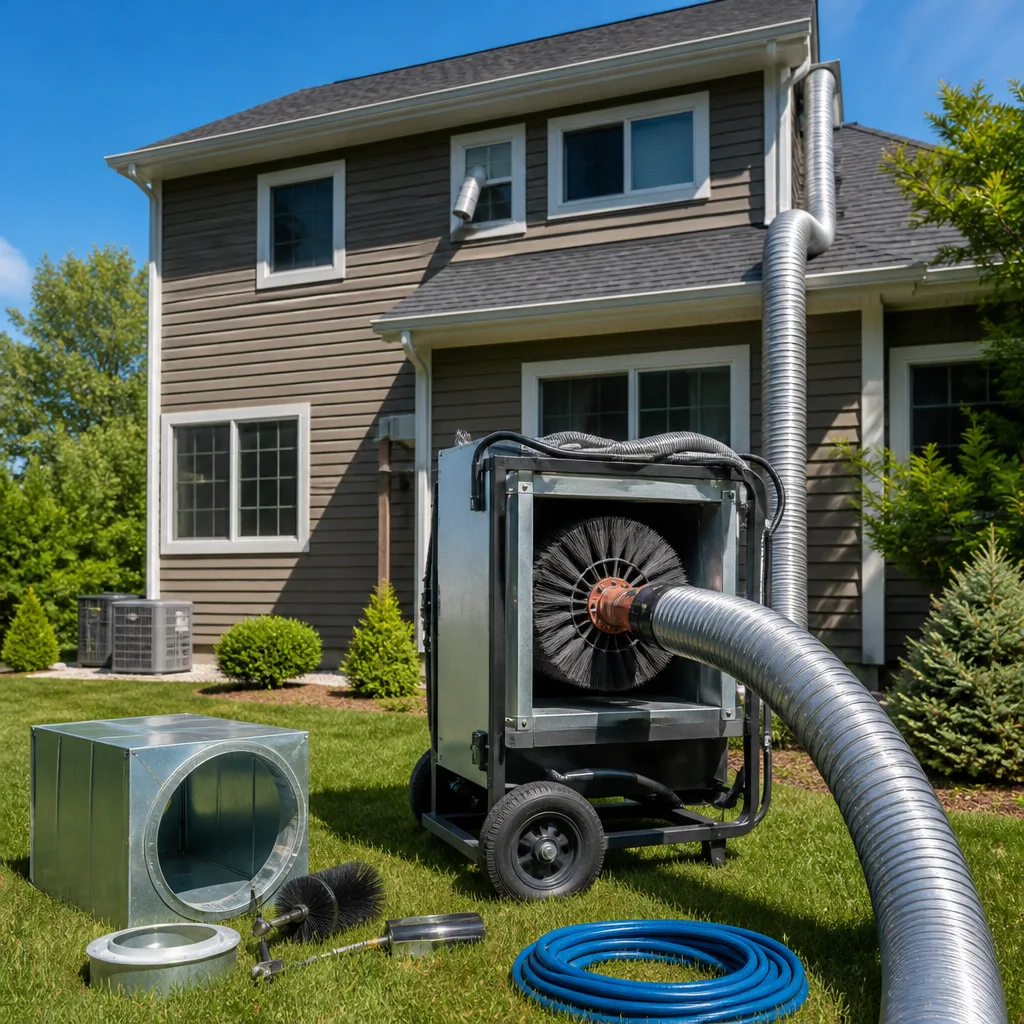 Whole-home duct cleaning
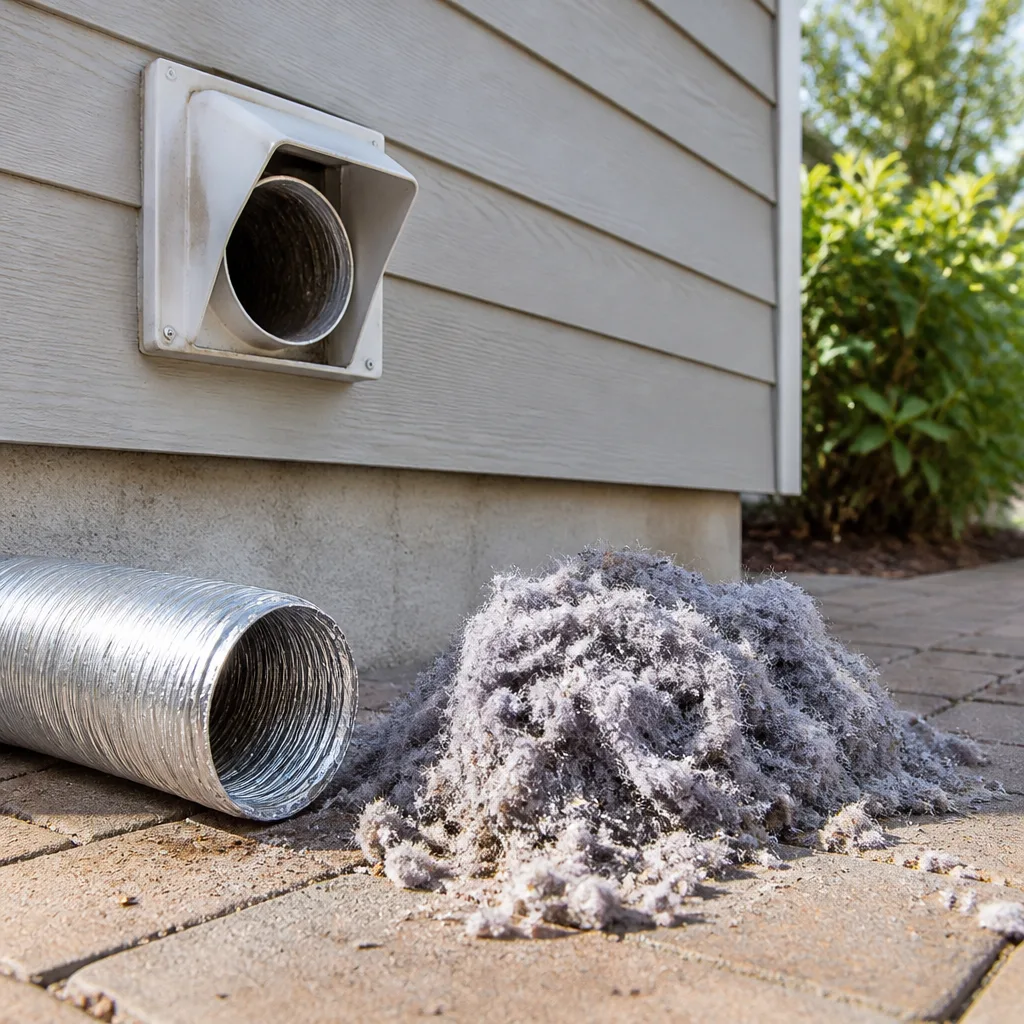 Dryer vent cleaning
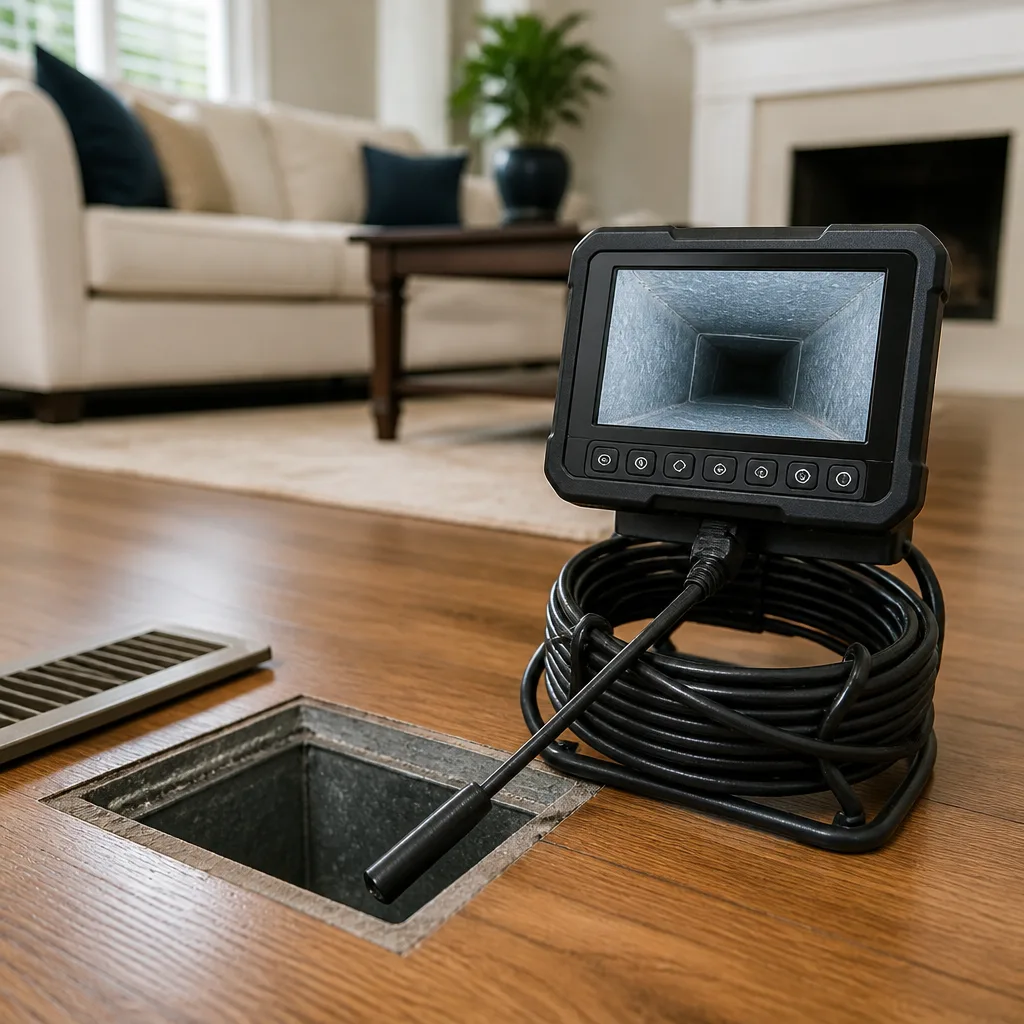 Camera inspection
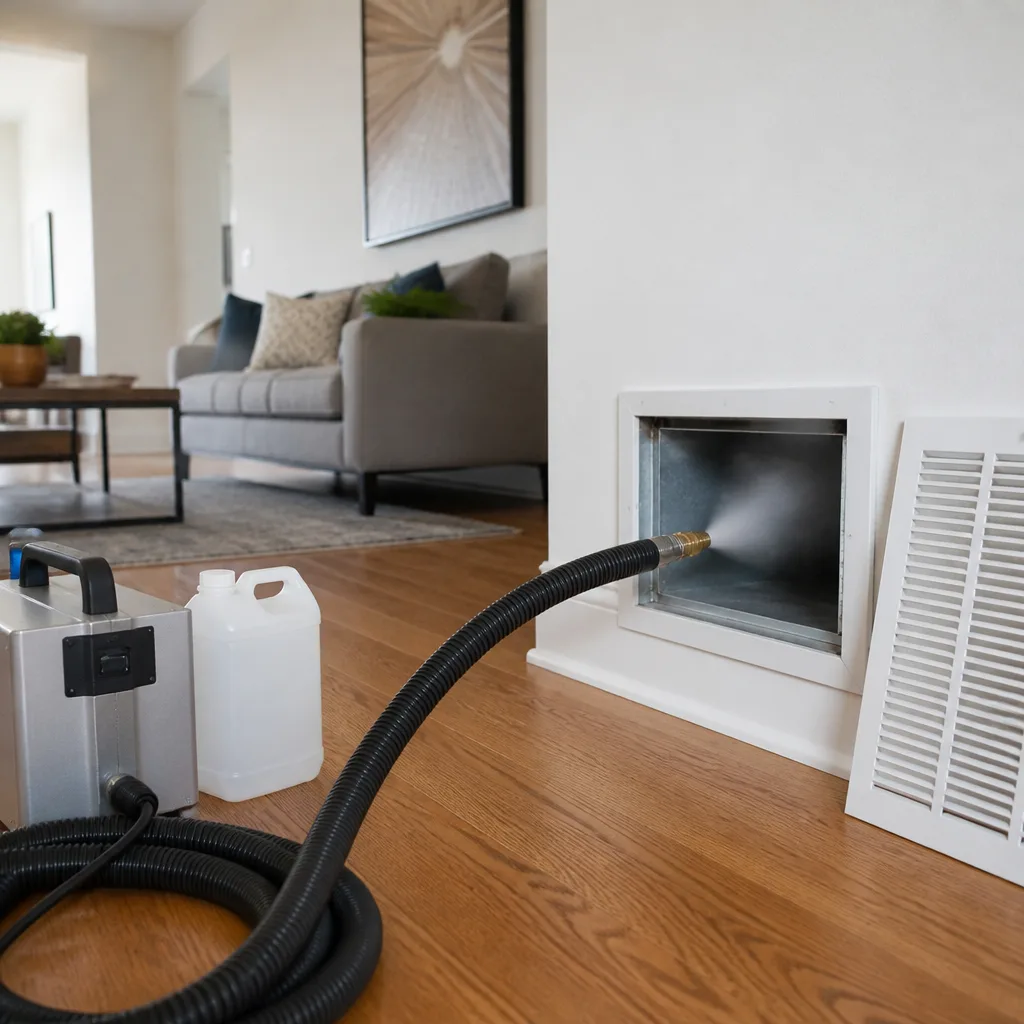 Sanitizing & deodorizing
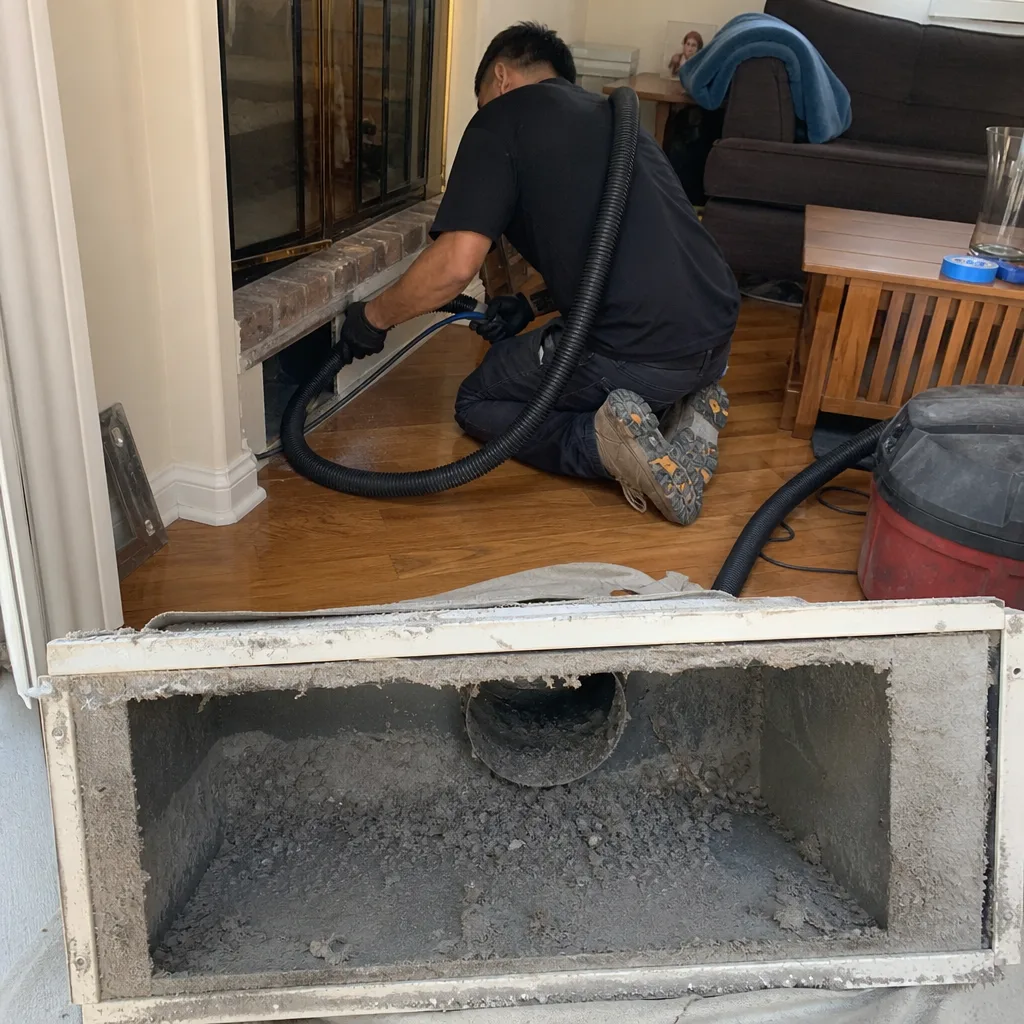
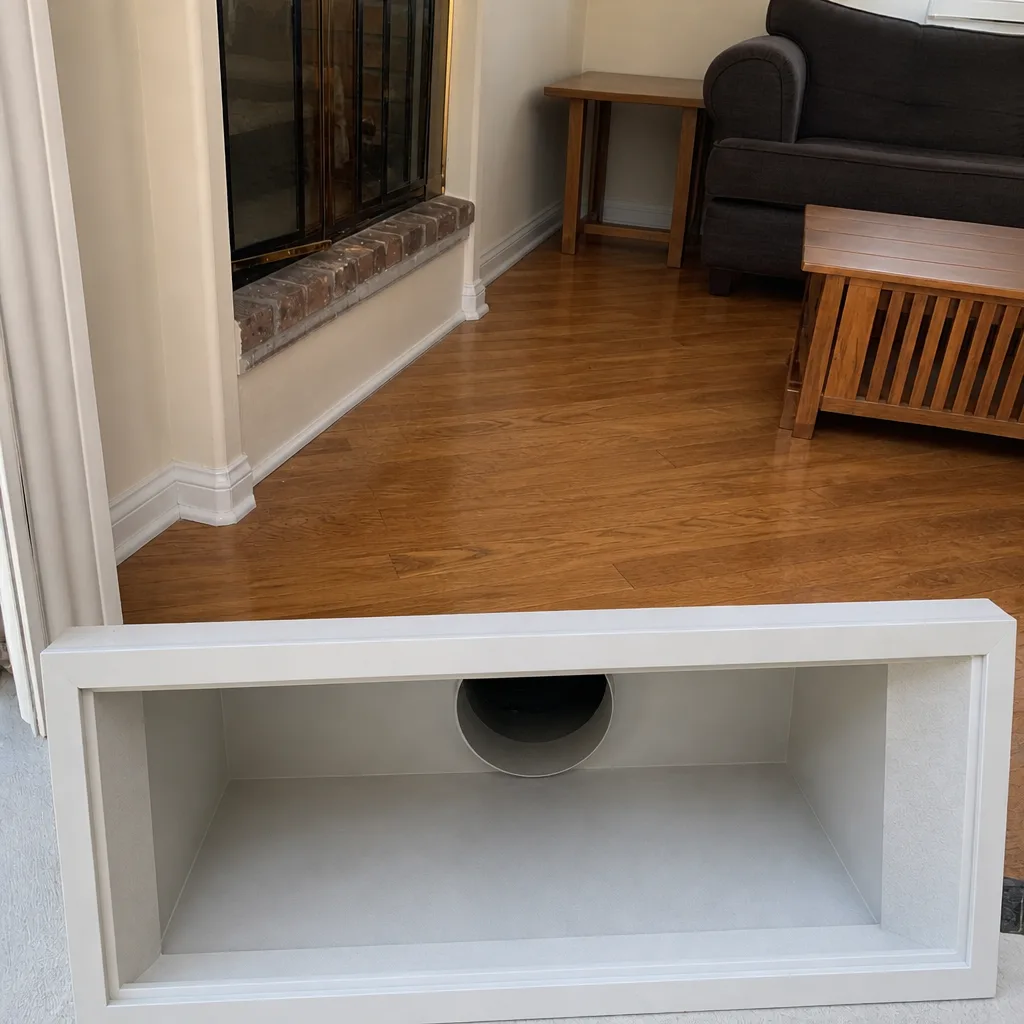
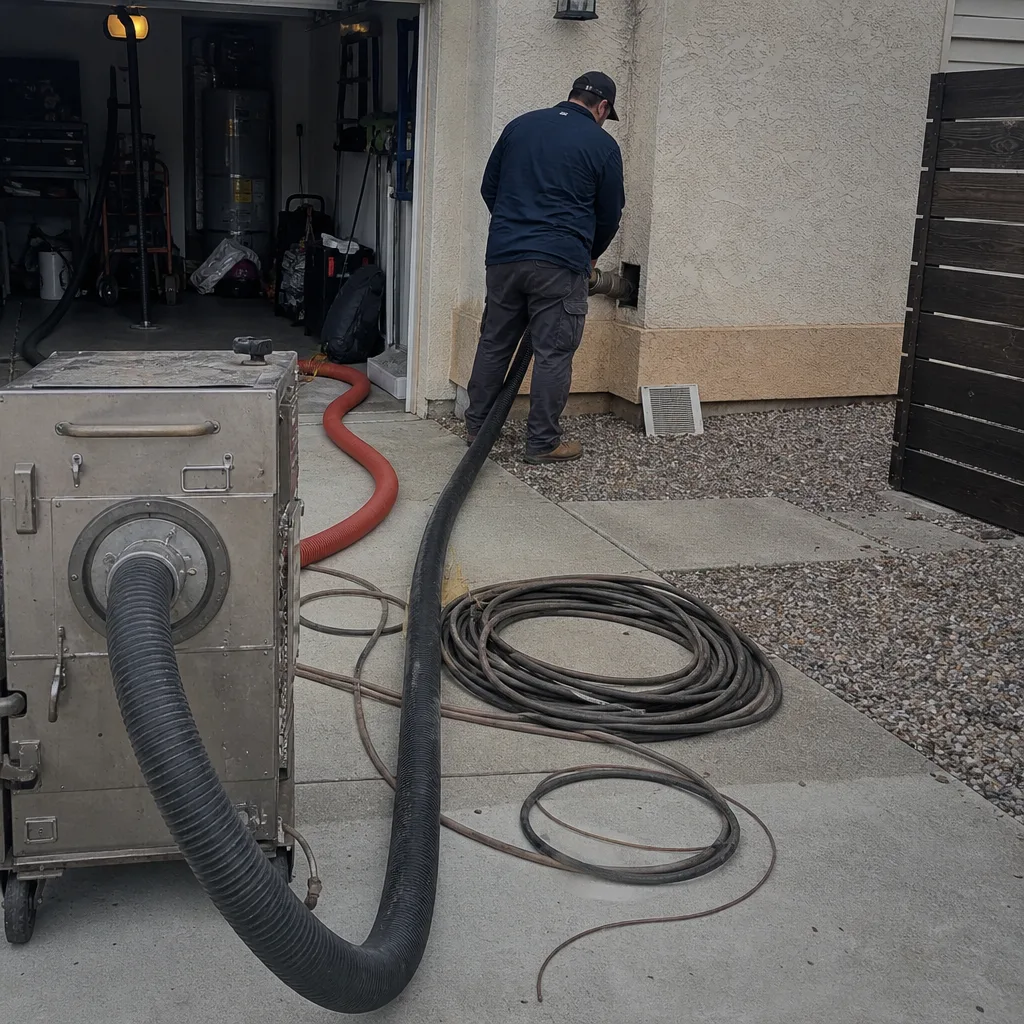
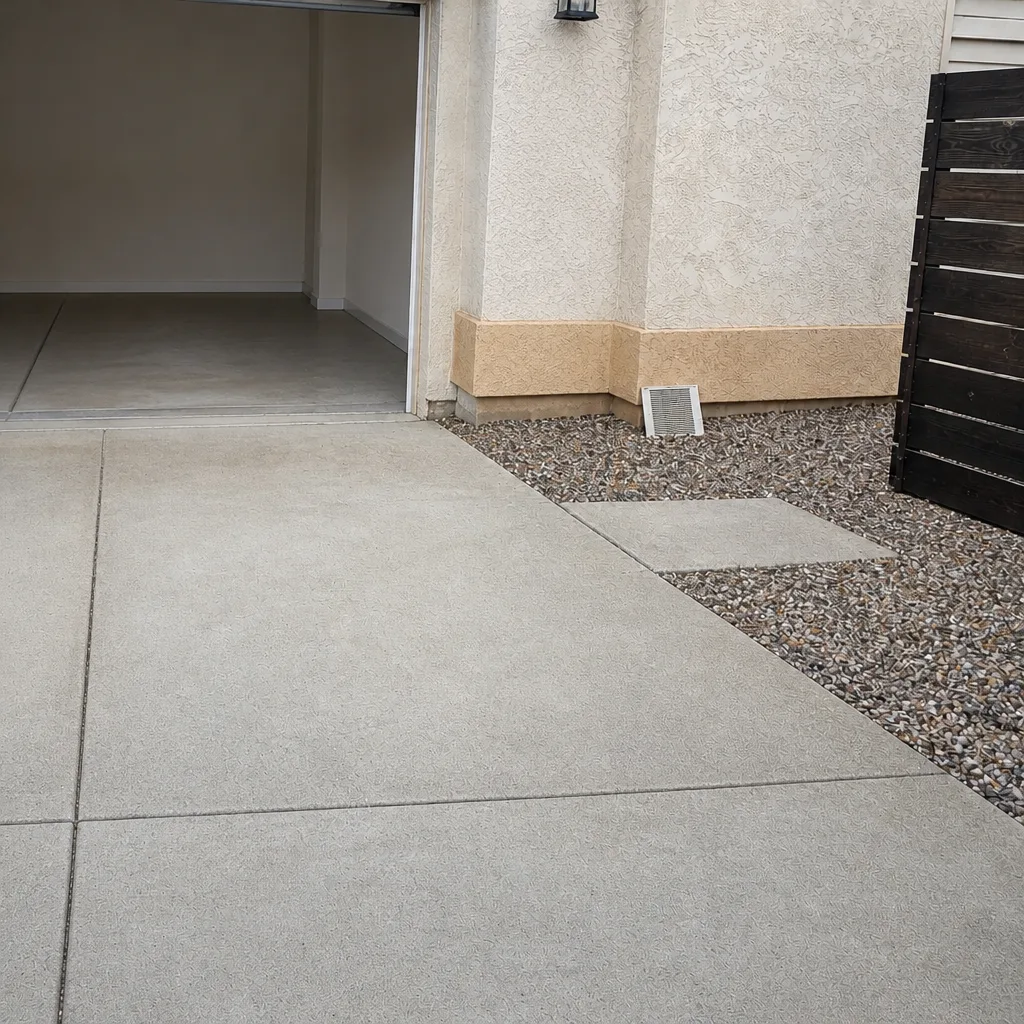
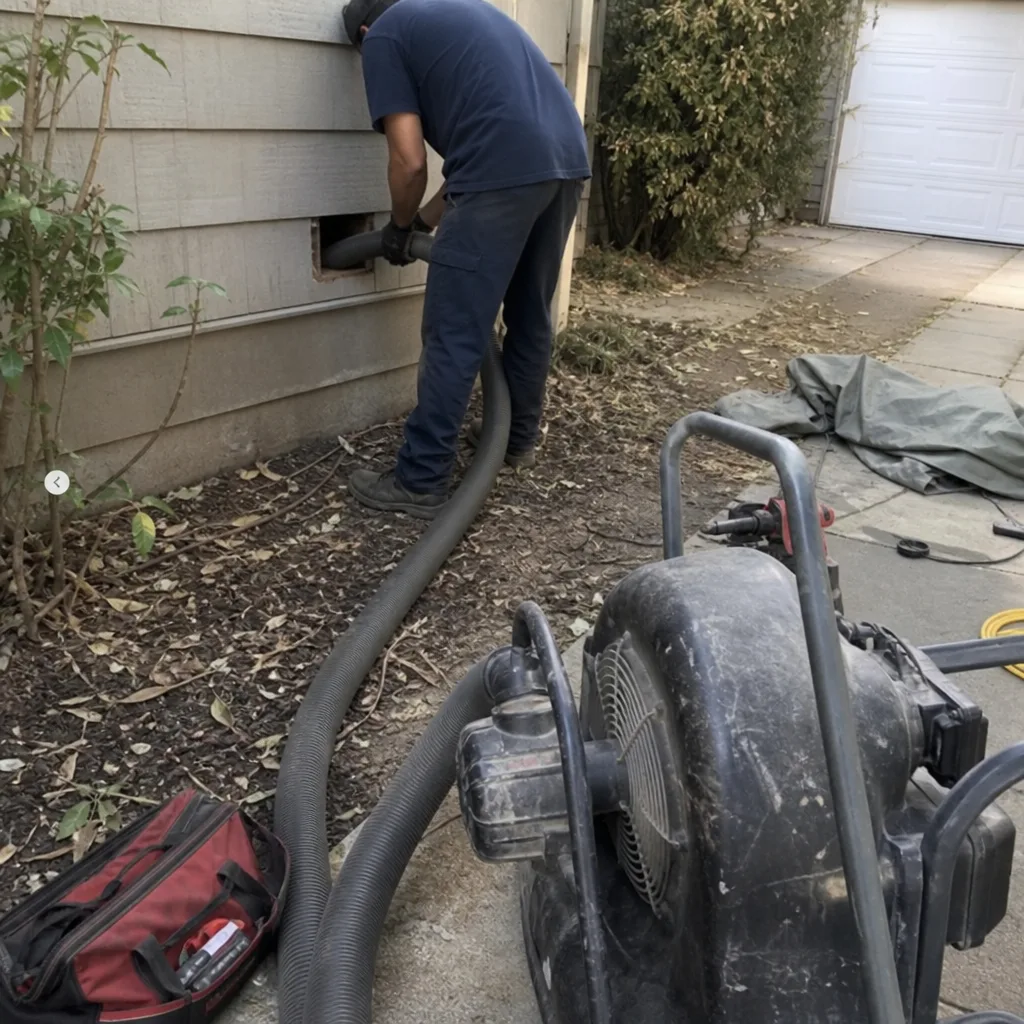
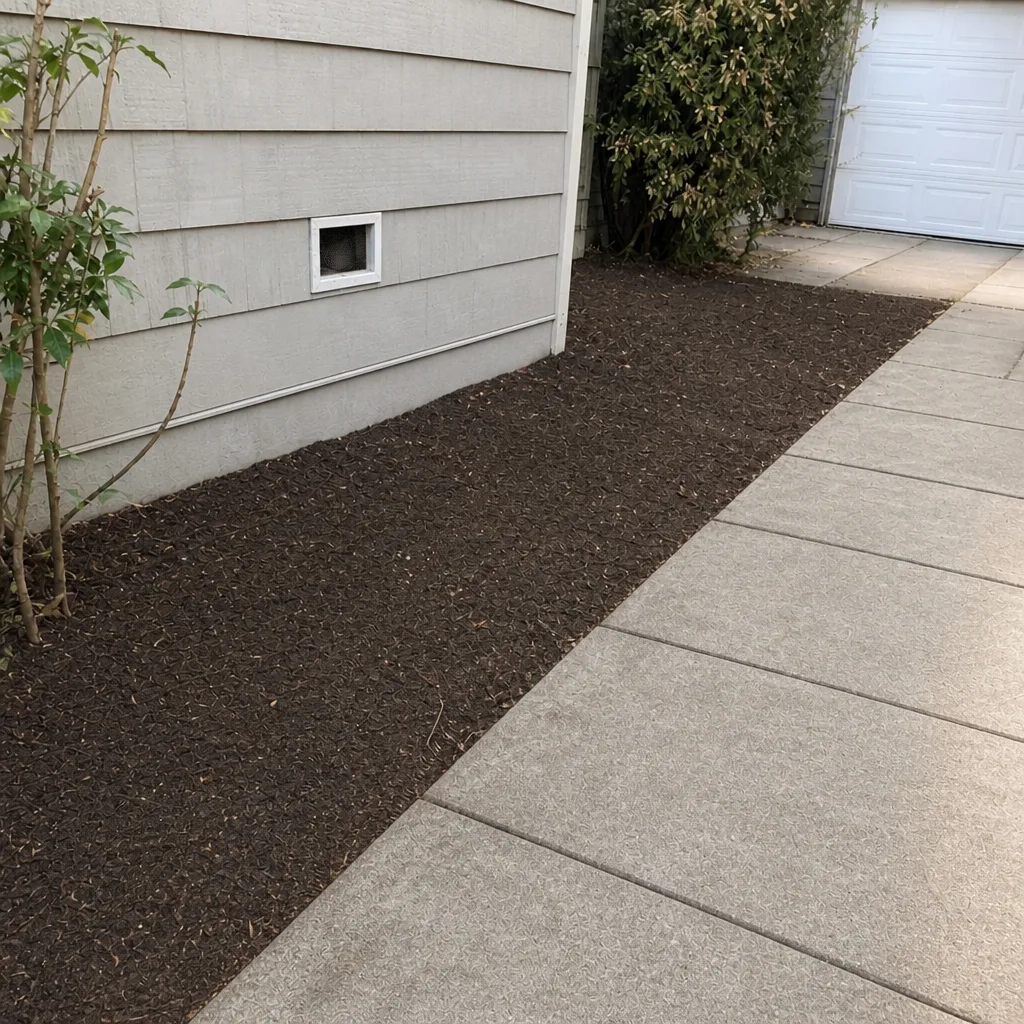
Whole-system duct and dryer vent check with before-and-after photos - you see exactly what came out of your vents
That "$99 whole-house special" is a bait ad - the real number appears once they are in your hallway, or the "clean" is a shop-vac at the register. We photograph the inside of your ducts before and after instead.
Air Duct Cleaning Cost Breakdown: The Washington Square Homeowner’s Reference for 2026
A $99 duct cleaning special and an $800 professional service both get called “air duct cleaning.” One uses a portable vacuum pulling a few hundred cubic feet per minute and compressed air to knock dust loose. The other uses truck-mounted negative pressure at around 4,000 CFM with contact tools that physically agitate debris off the duct walls. The price difference is mostly the equipment and the time it takes to do the work properly. In this guide we break down what each line item in a duct cleaning estimate actually pays for, how a Washington Square home’s size, layout and duct routing change the number, and how to compare three bids on scope instead of sticker price.
Quick Answer
Air duct cleaning in Washington Square for a typical 1,500 to 2,500 sq ft single-family home runs roughly $400 to $900 for a full-service job: supply and return ducts, registers, main trunk and air handler. Budget $99 to $199 only for a surface-level vent vacuum, and $1,200 or more when mold treatment, duct repair or sealing is added. The written estimate, set per job after we see the system, is what you actually pay.
Styles & brands we work with
- Whole-home duct cleaning
- Dryer vent cleaning
- Camera inspection
- Sanitizing & deodorizing
Table of Contents
- What Each Line Item in a Duct Cleaning Quote Covers
- How Washington Square Homes Change the Price
- What the $99 to $199 Price Point Actually Skips
- What Fair 2026 Pricing Looks Like for a Washington Square Home
- Why Equipment Is the Real Price Difference
- How to Compare Three Bids on Scope, Not Just Price
- Dryer Vent Cleaning as a Separate Line
- Common Mistakes to Avoid
- When to Call a Professional
- Frequently Asked Questions
What Each Line Item in a Duct Cleaning Quote Covers
A professional duct cleaning estimate is usually built from several distinct pieces of work, and the honest ones break those pieces out. When a quote arrives as one flat number with no breakdown, ask for the line items. Here is what each one is and what it involves.
- Base duct cleaning (supply system): Every supply run from the air handler to each register gets a rotary brush pass and negative-pressure extraction. This is the core of the job and where most of the labor sits.
- Return system: Return ducts carry the dirtiest air and often get skipped by discount operators because they’re harder to reach. Cleaning them properly usually adds a meaningful chunk to the total.
- Supply registers and grilles: Each register is removed, washed and reseated. Count them; a home with 16 registers is a bigger job than one with 8.
- Main trunk line: The large rectangular trunk that feeds the whole house needs its own agitation and extraction, not just a pass with the vacuum hose.
- Air handler cleaning: The blower compartment, evaporator coil area and drain pan collect dust and biological growth. Cleaning this is where air quality gains actually come from.
- Sanitizing: A post-cleaning surface treatment inside the ducts, applied after extraction so it isn’t immediately covered in dust.
- Dryer vent cleaning: A separate service with its own price, and one we treat as fire prevention rather than an optional add-on.
- Mold treatment or duct repair: Only when the inspection finds it. These are the line items that push a job toward the top of the range.
If you’ve only ever seen the flat-rate flyer version, this is why a full-service estimate looks higher. The scope is different. For the core service description, see air duct cleaning.
How Washington Square Homes Change the Price
Two houses of the same square footage can price differently once we’re on site. Here are the variables that move the number most in Washington Square and similar neighborhoods.
- Square footage and register count. More rooms means more supply runs, more registers to pull and wash, and more time on the brush. A 1,200 sq ft home may have eight registers; a 2,500 sq ft home may have twenty.
- Duct routing: attic, crawlspace or in-wall. Ducts run through an attic or a crawlspace take longer to access and often need a different extraction setup than ducts buried in walls or a slab. Access alone can add hours.
- Duct material and age. Older rigid metal duct can be cleaned aggressively with a rotary brush. Flexible insulated duct needs a gentler approach because the inner liner can tear. Knowing which you have before the crew arrives keeps the estimate honest.
- How long since the last cleaning. Ducts that haven’t been touched in many years hold more debris, which means more passes and more extraction time.
- System layout. Long runs, tight turns and multiple zones all add labor. A straightforward single-story layout cleans faster than a rambling floor plan.
Washington Square sits in a mild-winter climate, so the heating season is gentle and cooling runs longer. That means more months of the system pulling air through the same ducts, which is one reason we see return-side buildup here even in homes that don’t look dirty from the registers. The full-service scope we cover is on the Air Duct Cleaning Washington Square page.
What the $99 to $199 Price Point Actually Skips
The low-price duct cleaning you see advertised is real work, just a much smaller slice of it. Here’s what typically gets left off the invoice at that price, and why it matters.
- Return ducts. The dirtiest part of the system often gets a quick look and nothing more, because returns are harder to reach and clean slowly.
- Air handler and coil. If the blower compartment and evaporator coil aren’t cleaned, dust you just removed from the supplies is pulled right back through a dirty coil.
- Main trunk. A surface pass with a portable vacuum doesn’t reach the trunk walls; the debris stays put.
- Contact cleaning tools. Compressed air alone stirs dust into the air stream. Without a rotary brush and strong negative pressure at the same time, a lot of it settles back where it started.
- Post-cleaning sanitizing. Skipping the surface treatment means microbial growth in the ducts can bloom again.
The consequence is predictable: within a year or so the system looks and performs like it was never cleaned. What you save at the front end gets spent on a second cleaning. Purpose-built equipment, not repurposed shop vacuums, is what changes the outcome, and it’s the biggest cost driver in a real quote.
What Fair 2026 Pricing Looks Like for a Washington Square Home
These are estimated ranges, not fixed prices. The written estimate sets the final number, and it’s free.
| Scope | Typical 2026 range (1,500 to 2,500 sq ft) | What’s included |
|---|---|---|
| Surface vent vacuum | $99 to $199 | Registers and visible openings only |
| Standard full-system cleaning | $400 to $700 | Supply, return, trunk, registers, light air handler |
| Full-system + air handler deep clean + sanitizing | $650 to $900 | Adds blower compartment, coil area, post-cleaning treatment |
| Add mold treatment or heavy contamination | +$250 to $500 | Remediation-level work with dedicated extraction |
| Add duct repair or sealing | +$200 to $600 | Fixing leaks or damaged runs found during cleaning |
| Dryer vent cleaning (standalone) | $120 to $250 | Full dryer vent run, lint removal, airflow check |
For most Washington Square single-family homes in that size band, a realistic full-service number lands in the $400 to $900 range. Anything well below that is a smaller scope. Anything well above usually includes remediation or repair, and the estimate should say which. Our technicians have up to 8 years of experience, and they’ll walk you through exactly which line items your home needs before any work starts.
Why Equipment Is the Real Price Difference
The single biggest reason bids on the same house range from $99 to $1,200+ is the machinery behind the number. Here’s how the two ends of the market differ.
A discount operator typically arrives with a portable vacuum rated around 450 CFM and a compressed-air whips. They blow dust off the duct walls and hope the portable vacuum catches it before it settles. The problem is physics: a portable vacuum can’t hold strong enough negative pressure across a whole house of ductwork at once, so a large share of loosened debris simply redistributes.
A full-service operator runs truck-mounted negative pressure that pulls several thousand CFM, paired with rotary-brush contact tools so the debris is physically scrubbed and captured at the same time. We use the Rotobrush rotary-brush system for mechanical removal and Nikro negative-pressure equipment for contained extraction, so the dust comes out and stays out. For contamination-level situations (mold, post-renovation particulates, severe allergen loads), we bring Abatement Technologies equipment built for that class of work, and we finish with Guardsman-grade sanitizing applied inside the system.
Beyond cleaning, air quality gains come from addressing causes: Aprilaire and Honeywell whole-home filtration and air-quality products let us improve the system rather than just scrub it once. And because we handle cleaning, sanitizing, repair and sealing, we don’t hand you off to a second contractor when the cleaning reveals a leak. We clean the system, then we seal it, so it stays clean. If you also need the furnace and coil serviced, that’s covered under HVAC cleaning.
How to Compare Three Bids on Scope, Not Just Price
The only fair way to compare three duct cleaning quotes is line by line. Use this worksheet approach.
- Write the scope items across the top. Supply ducts, return ducts, main trunk, air handler, registers, sanitizing, dryer vent, mold treatment, repair. Nine columns.
- Put the three bids down the side. For each, mark yes, no or partial in every column based on what the bid actually says in writing.
- Ask each bidder the same three questions. What equipment are you using (CFM and brand)? How long will the job take? Will you show me before-and-after photos of my own ducts?
- Flag any bid that’s “everything included” without a breakdown. Those are the ones that creep on site.
- Compare the like-for-like rows only. A $99 bid and a $700 bid aren’t the same product; the worksheet shows you that in thirty seconds.
The bid with the clearest line items and the most specific equipment answer is usually the one with the fewest surprises. Price matters; scope matters more. If a quote doesn’t mention returns, the air handler or sanitizing, it’s not a full-system job. If you want a scope you can hold to, start with a written estimate and before-and-after photos of your own ducts.
Dryer Vent Cleaning: A Separate Line for a Separate Risk
Air duct cleaning and dryer vent cleaning share a name and little else. The dryer vent is a short, high-lint run that carries hot, moist exhaust out of the house. Lint buildup there is a fire hazard, which is why we price it as its own service rather than bundling it into a duct job as an afterthought.
In a Washington Square home, a typical dryer vent job runs $120 to $250 and includes pulling the full lint load out of the run, checking the exterior termination, and confirming airflow is restored. It’s a fast job compared with duct cleaning, and it’s often the highest-value appointment a homeowner can book because the failure mode is a fire, not a dust complaint. We treat it as fire prevention, not an upsell. See the full scope on our dryer vent cleaning page.
If you’re booking both, do them in the same visit. One crew, one walk-through, and a single written estimate that covers both jobs.
Common Mistakes to Avoid
- Buying on sticker price alone. The $99 quote and the $700 quote are rarely the same scope. Ask what’s included before you compare numbers.
- Assuming “duct cleaning” covers the air handler. If the blower and coil aren’t cleaned, the system stays dirty. Confirm it in writing.
- Skipping the return side. Returns carry the dirtiest air and are the first thing discount operators leave off the invoice.
- Not asking about equipment. A portable vacuum and a truck-mounted negative-pressure system are not interchangeable. Ask for CFM and tooling.
- Ignoring the dryer vent. It’s a separate appointment, but it’s the one most tied to safety. Don’t let it slide because you’re focused on ducts.
- Paying for a cleaning that isn’t verifiable. Ask for before-and-after photos of your own system. A real operator will show you.
- Putting off the repair the cleaning reveals. Once we’ve cleaned and found a leaking run or a damaged flex section, sealing it is what keeps the system clean long-term.
When to Call a Professional
Call a professional when you notice musty or dusty odors from the registers, when allergy or asthma symptoms seem worse indoors, after a renovation that sent drywall dust through the system, when a home inspection flags dirty ducts, or when the dryer is taking longer than it used to and the lint trap is clear. A full-system cleaning every few years is a reasonable baseline, but an HVAC failure, water intrusion or visible growth in a register calls for an inspection sooner. Air Duct Cleaning Washington Square offers free estimates in Washington Square. Call (877) 792-6053. We answer 24/7. Fast dispatch from 7am to 7pm, Sunday through Friday.
Frequently Asked Questions
For a typical 1,500 to 2,500 sq ft home, a full-service job runs about $400 to $900, depending on register count, duct access and whether the air handler needs deep cleaning. Surface-only jobs start near $99 to $199 but cover far less. Call (877) 792-6053 for an exact free estimate.
Cheaper quotes usually cover a smaller scope and less capable equipment: a portable vacuum instead of truck-mounted negative pressure, and often no return ducts or air handler cleaning. The price difference is the machinery and the labor behind it. A written line-item estimate is the way to compare fairly. Call (877) 792-6053 for one.
Ask for before-and-after photos of your own ducts and registers, and a written line-item invoice that shows what was cleaned. A professional process is visible and documented, not just described. Book an estimate and we’ll show you what a full-system job includes before any work starts.
Every few years for most homes, and sooner after a renovation, water intrusion, mold discovery or a new HVAC install. Homes with pets, allergies or heavy dust tend to need it more often. The right answer depends on your system, so a quick inspection is the best guide. Call (877) 792-6053 to set one up.
Only if the quote says so. Air handler and coil cleaning are frequently left off discount bids, which is why we list them as line items. If your bid doesn’t mention them, ask. Call (877) 792-6053 for a scope that includes them where needed.
No. Dryer vent cleaning is priced separately, typically $120 to $250, because it’s a distinct service with its own safety purpose. We recommend it alongside a duct cleaning when both are due. Call (877) 792-6053 to bundle them into one visit.
The Bottom Line
The duct cleaning price range in Washington Square is wide because the scope is wide. A $99 job cleans a fraction of what a $700 job does, and the equipment behind each number is different by an order of magnitude. Budget $400 to $900 for a full-service cleanup on a typical single-family home, expect add-ons for air handler deep cleaning, molding and repair, and price the dryer vent as its own appointment. Then compare bids on line items, not headlines. Purpose-built equipment and a written scope are what make the money spent actually show up in the air you breathe.
Call Air Duct Cleaning Washington Square at (877) 792-6053 for a free estimate. We answer 24/7. Fast dispatch from 7am to 7pm, Sunday through Friday. One crew, one written scope, one flat price per system agreed before work starts, and before-and-after photos of your own ducts.
Written by the team at Air Duct Cleaning Washington Square.
See the difference
 Before
 After
 Before
 After
 Before
 After