
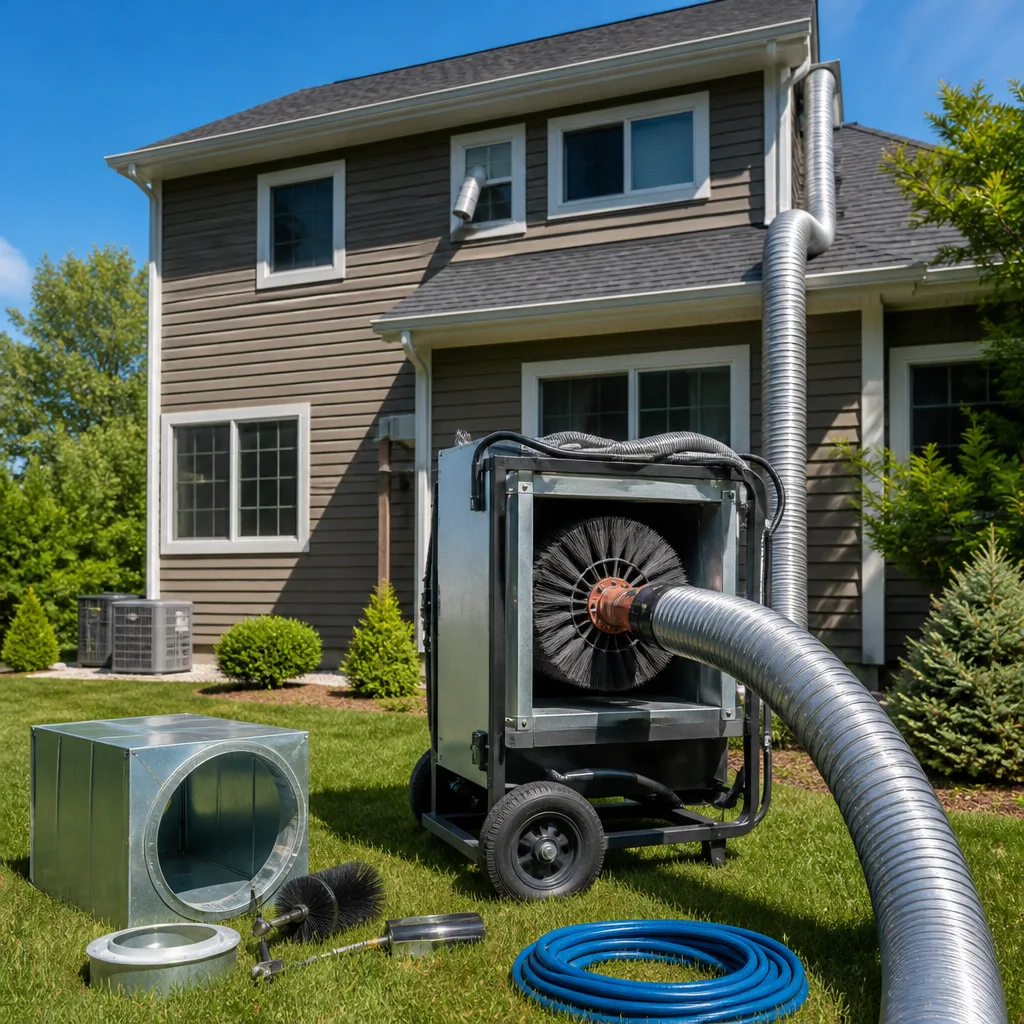
 Whole-home duct cleaning
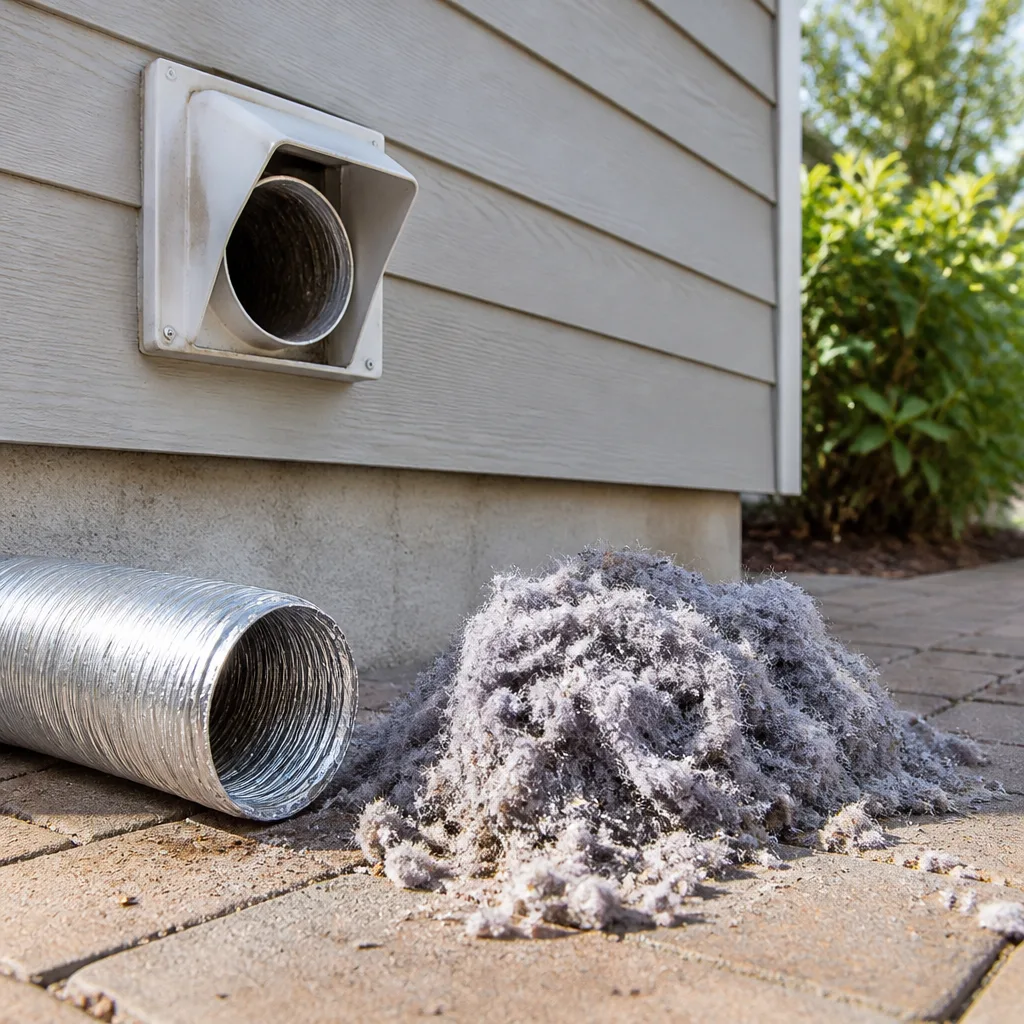 Dryer vent cleaning
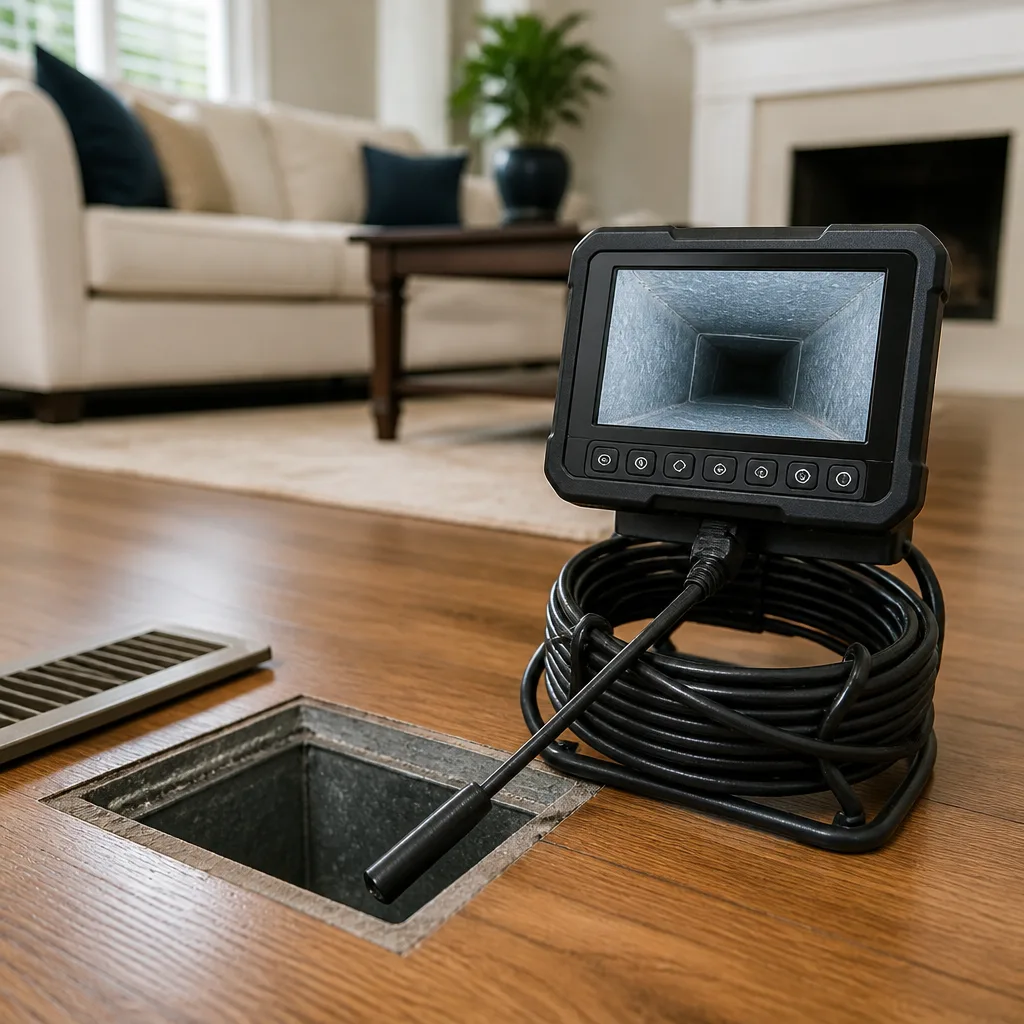 Camera inspection
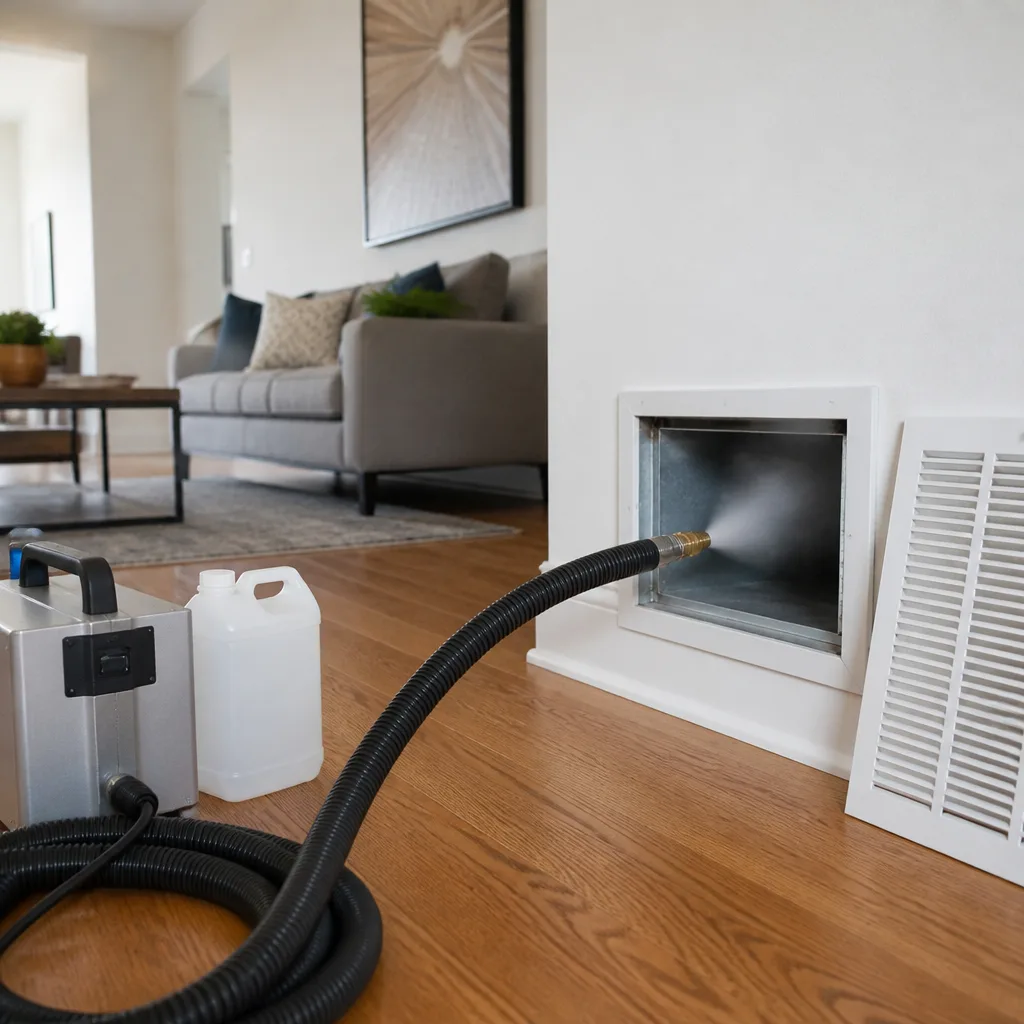 Sanitizing & deodorizing
Whole-system duct and dryer vent check with before-and-after photos - you see exactly what came out of your vents
That "$99 whole-house special" is a bait ad - the real number appears once they are in your hallway, or the "clean" is a shop-vac at the register. We photograph the inside of your ducts before and after instead.
Styles & brands we work with
- Whole-home duct cleaning
- Dryer vent cleaning
- Camera inspection
- Sanitizing & deodorizing
See the difference
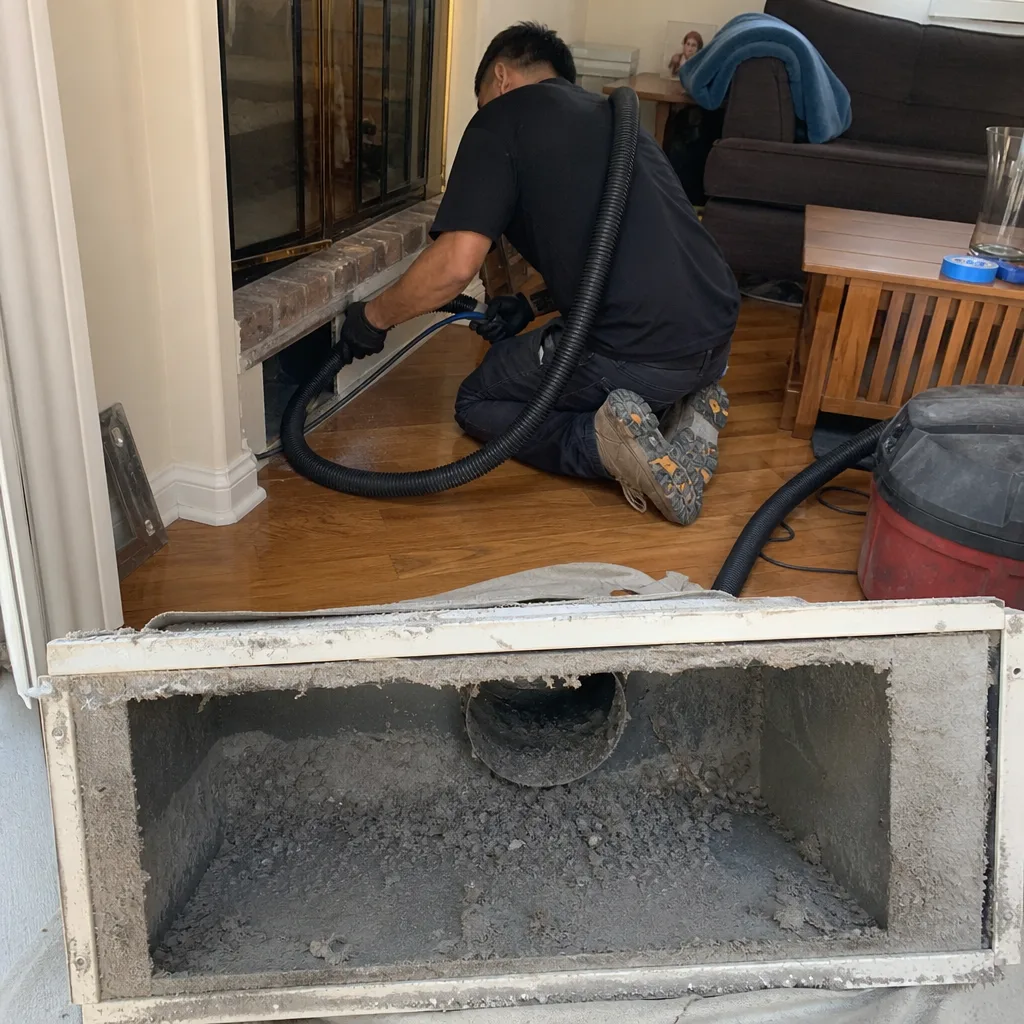 Before
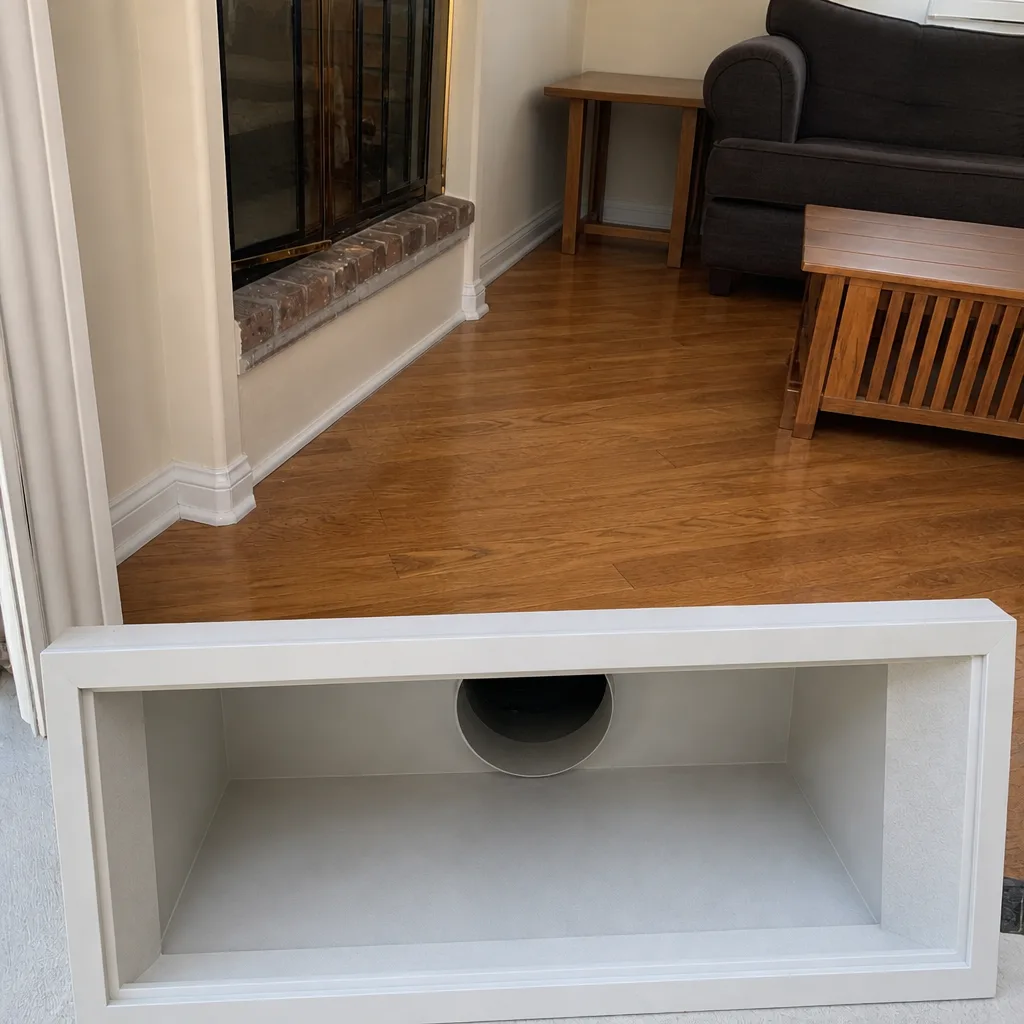 After
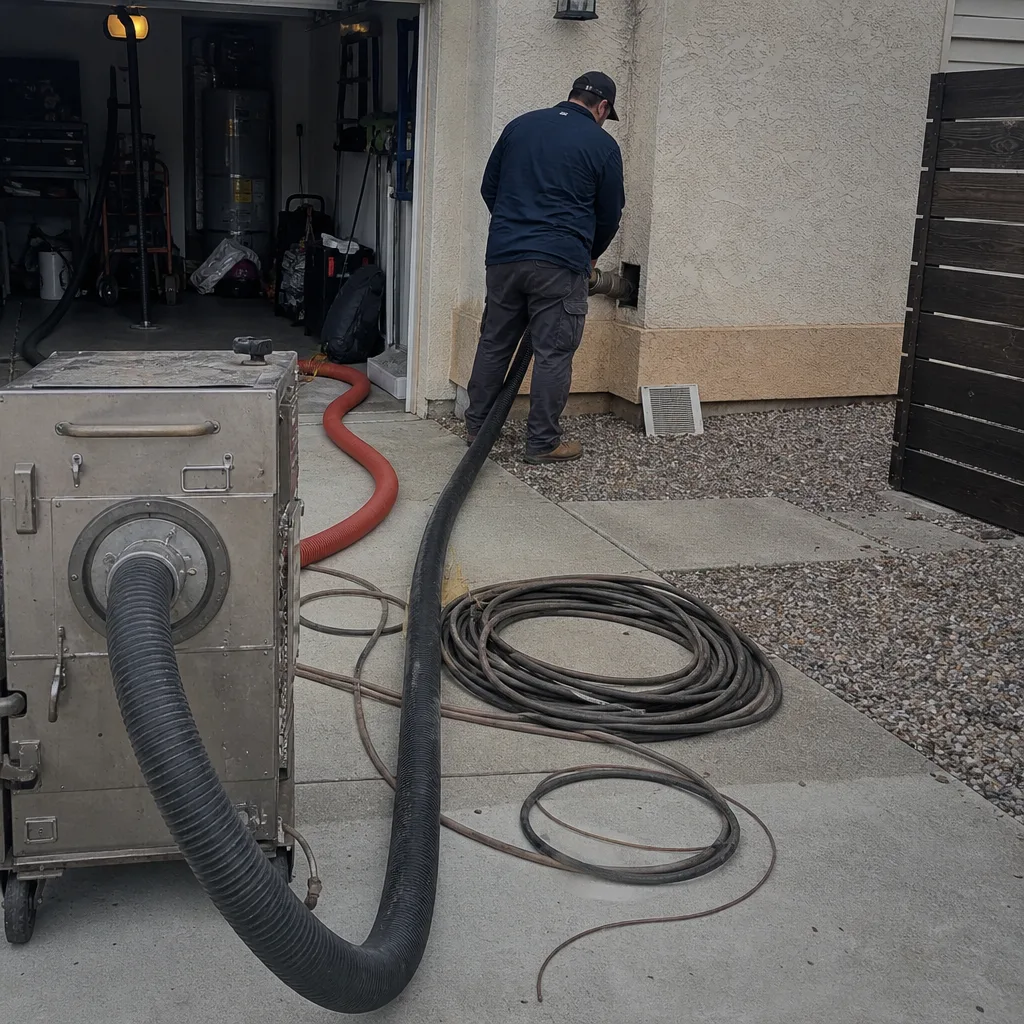 Before
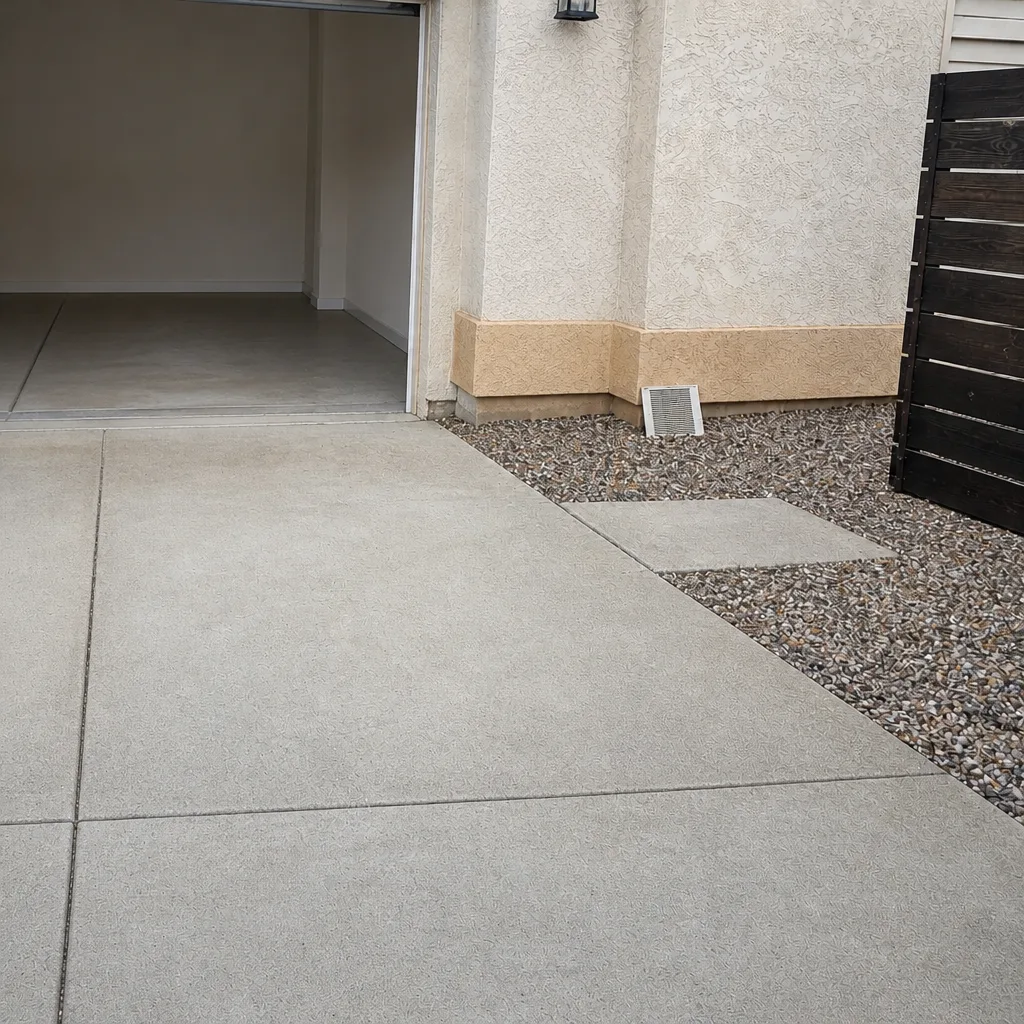 After
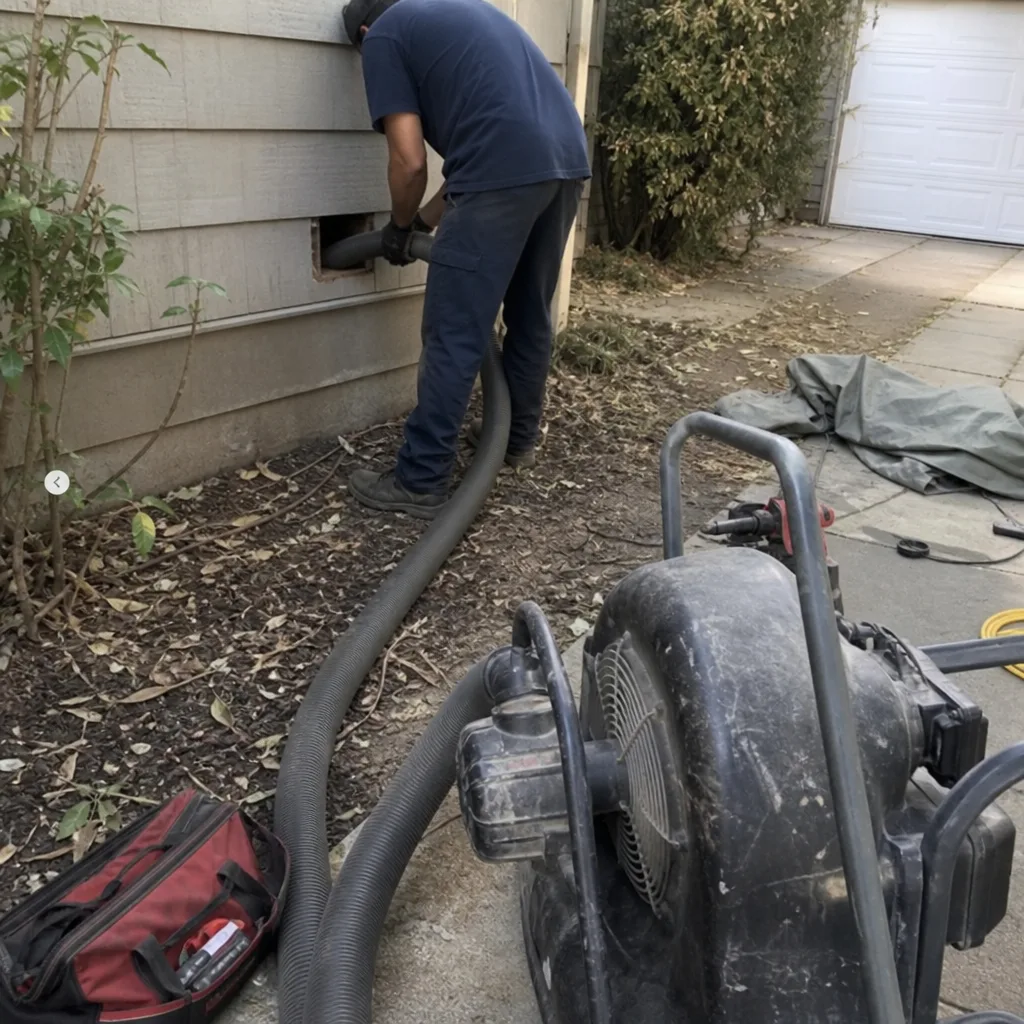 Before
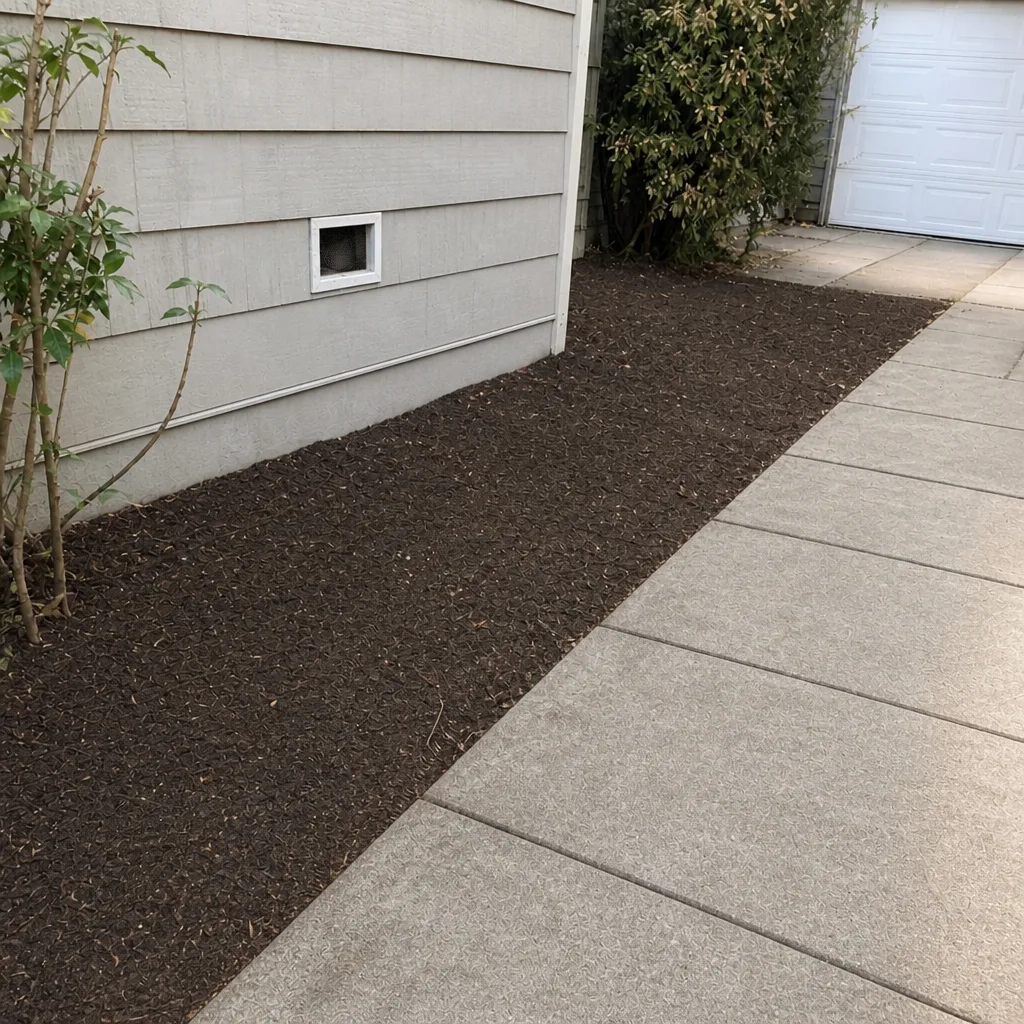 After
How Much Does Air Duct Cleaning Cost in South Coast Metro?
Air duct cleaning in South Coast Metro typically costs between $350 and $800 for a standard single-family home, with most jobs landing near the middle of that range. A small condo or apartment with one air handler often comes in under $400, while a larger house with multiple zones, heavy buildup, or a post-renovation cleanup can run $900 to $1,500 or more. The number that matters is the one on your written estimate, and here that estimate is free.
We’re Air Duct Cleaning Washington Square, a dedicated air-system services company. We clean ducts with purpose-built equipment, not repurposed shop vacuums, and we’ll tell you plainly what your home needs before anything gets scheduled.
Key Takeaways
- Typical South Coast Metro duct cleaning: $350 to $800 for a standard home.
- Add-ons like sanitizing, sealing, or extra vents change the total; the base clean is only part of the picture.
- Dryer vent cleaning is priced separately because it’s a fire-prevention service, not a duct add-on.
- Free estimates, and the written estimate sets the final price.
- Call (877) 792-6053 to get an exact figure for your home. We answer 24/7.
Air Duct Cleaning Cost Breakdown (2026)
Here’s how the numbers break down line by line. These are typical ranges for the South Coast Metro market in 2026, not a quote. Your written estimate is what sets the actual price.
| Service | Typical Range | What’s Included |
|---|---|---|
| Standard duct cleaning (single system, up to 10 vents) | $350 – $550 | Rotary-brush agitation of all supply and return runs, negative-pressure extraction, register and grille cleaning |
| Larger home or zoned system (11-20 vents) | $550 – $900 | Same process, more runs and vents, longer setup and extraction time |
| Heavy buildup or post-renovation cleanup | $800 – $1,500 | Abatement Technologies equipment for contamination-level debris, extra passes, containment |
| Sanitizing treatment (applied after cleaning) | $100 – $250 | Guardsman-grade sanitizing product applied to duct interiors once debris is removed |
| Duct repair and sealing (per section or joint) | $150 – $600 | Spot repair of failed joints, sealing of leaks the cleaning exposes |
| Dryer vent cleaning (standalone) | $125 – $225 | Full lint removal, blower and vent path cleared, airflow verified |
| Air quality products (Aprilaire / Honeywell) | $300 – $1,200 installed | Filtration or air-quality integration to address the cause, not just the symptom |
What drives the number up or down? Two things mostly: how much debris is actually in the system and how many separate runs the equipment has to travel. A condo with one air handler and a short duct run is a quick, contained job. A two-story house with a zoned system, a finished basement return, and fifteen years of dust is a different kind of appointment. A recent renovation is its own category, since drywall dust and construction particulate settle deep and take more passes with the right equipment to remove completely. Sanitizing adds cost because it’s a separate application step after the debris is gone, not a spray-and-go before cleaning.
One thing we’re clear about: the base price covers real cleaning, with professional-grade machinery and a proper extraction setup. Purpose-built equipment moves the cost base up a bit compared to a vacuum-and-hose operation, and it’s the difference between debris leaving the system and debris getting stirred around inside it.
What Affects Air Duct Cleaning Pricing in South Coast Metro
South Coast Metro sits in a cluster of dense residential and mixed-use buildings where duct systems vary a lot from one address to the next. That variety, more than anything else, is why two neighbors can get very different estimates. Here’s what moves the number.
- System size and vent count. A single air handler serving eight vents is a shorter visit than a zoned system serving twenty. Every added run means more agitation, more extraction hose, and more time.
- Debris volume and type. Light household dust cleans up fast. Drywall dust from a recent remodel, or years of pet dander and debris packed into returns, takes additional passes and, in heavier cases, Abatement Technologies equipment rated for contaminant scenarios.
- Access to the ductwork. Ducts running through tight closets, above finished ceilings, or behind cabinetry take longer to reach and service than exposed runs in an open utility area. Access is a real labor variable, and it shows up in the estimate.
- Whether repairs are needed. Cleaning often reveals what’s underneath: disconnected joints, crushed flex runs, leaks at the plenum. If repair and sealing are needed, that’s priced separately, and it’s why we handle the full duct lifecycle rather than handing you off to a second contractor.
- Sanitizing and air-quality goals. If the trigger for the appointment is musty odor, allergies, or a new baby in the house, sanitizing after cleaning and possibly Aprilaire or Honeywell air-quality integration will be part of the conversation. Both affect the total, and both address root causes rather than just what’s already dirty.
- Dryer vent service. Dryer vent cleaning isn’t an add-on. It’s a fire-prevention appointment with its own scope and its own price, and we price it as a standalone service so you know exactly what you’re paying for.
South Coast Metro’s climate matters here in a quieter way than people expect. Winters are mild, which means the HVAC system runs through much of the year without the long idle stretch that some colder markets get. A system that runs more continuously moves more air through the ducts, and more air through the ducts means debris accumulates and gets distributed rather than sitting still. Households here often notice dust settling faster between cleanings for that reason. It’s not dramatic, but it’s worth knowing when you’re deciding how often to schedule service.
How to Save on Air Duct Cleaning
There’s no magic discount, but there are practical ways to keep the number reasonable without cutting into the work itself.
- Get the estimate before you book. A free estimate tells you what your home actually needs instead of what a flat rate says it needs. If the number is higher than you expected, ask what’s driving it. Sometimes it’s debris volume, sometimes it’s access, and sometimes it’s a repair the cleaning will reveal.
- Bundle related air-system work in one visit. If you already know the ducts need cleaning and the dryer vent hasn’t been touched in a while, doing both in the same appointment saves the setup and teardown time that would otherwise be duplicated.
- Address repairs during the same visit. If cleaning exposes a failed joint or a crushed run, fixing it then means one appointment instead of two. We clean the system, then we seal it, so it stays clean, and that’s the natural moment to handle repair.
- Clean after renovation, not before. If a remodel is on the schedule, wait until the drywall dust has settled. Cleaning early means cleaning twice, and the second pass is the one that actually matters.
- Keep the filter routine honest. Regular filter changes won’t eliminate the need for duct cleaning, but they slow how fast debris builds in the system between visits.
Call (877) 792-6053 and we’ll talk you through what applies to your home. Estimates are free, and there’s no charge to find out what the job actually looks like.
Why Cheap Duct Cleaning Quotes Often Don’t Hold Up
A quote that’s well below the typical range usually means one of two things: the equipment isn’t up to the job, or the scope described isn’t the scope performed. The most common version is a crew with a shop vacuum and a hose who runs the machine for fifteen minutes per vent and calls it done. Debris gets agitated, some of it gets pulled out, and the rest settles back into the system within a week or two. That’s a real cost, just deferred.
Our setup is different by design. A Rotobrush rotary-brush system physically agitates debris from the duct wall, the mechanical pass that a vacuum alone can’t replicate. Nikro negative-pressure equipment holds the duct under negative pressure while that agitation happens, so dislodged material travels out of the system rather than into the room. For heavier scenarios, drywall dust, mold, or allergen-related concerns, Abatement Technologies equipment handles the containment side. We name the equipment because it’s what separates a real cleaning from a cosmetic one, and because you should be able to ask what machine is coming into your home.
From the first pass to the final seal, it’s one coordinated visit. If cleaning exposes a joint that needs repair or a run that should be sealed, we handle it in the same appointment. Better air starts with knowing what’s actually in your ducts, not with a promise that the number will be the lowest on the page.
Duct Cleaning vs. Dryer Vent Cleaning: What Each Costs and Why Both Matter
These get blended together in a lot of pricing guides, and they shouldn’t be. Air duct cleaning focuses on the HVAC system: supply and return runs, registers, the air handler. Dryer vent cleaning focuses on a single short run from the dryer to the exterior, and the debris there is lint, which is combustible. The two services use different equipment, take different amounts of time, and get priced separately.
Dryer vent cleaning in South Coast Metro typically runs $125 to $225 as a standalone appointment. It’s priced that way on purpose. Treating it as an upsell tacked onto a duct job is how vent cleaning gets skipped, and skipped vent cleaning is how lint builds up in a path that gets hot. We offer it as its own safety service because that’s what it is.
Air duct cleaning at $350 to $800 covers the system that circulates conditioned air through every room in the house. If you’re booking one and wondering about the other, ask. Both can happen in a single visit, and doing it that way is usually more sensible than two separate appointments.
What to Expect During a Duct Cleaning Appointment
Most homeowners want to know how the visit actually goes, and that’s a fair question. Here’s the shape of it.
- Setup and inspection. We walk the system first to identify vent count, access points, and anything that looks like a problem area. This is where the estimate gets confirmed against what the ducts actually show.
- Negative-pressure containment. Before any agitation starts, the extraction equipment goes on and the system goes under negative pressure. Debris loosened from the duct wall has somewhere to go other than the living room.
- Rotary brush agitation. Each run gets a mechanical pass with the rotary brush, loosening what’s bonded to the duct interior.
- Extraction and register cleaning. Debris is pulled out under pressure, and registers and grilles are cleaned separately since they collect a layer of their own.
- Sanitizing (if scheduled). Guardsman-grade sanitizing product gets applied to duct interiors after cleaning, not before. Cleaning first means the sanitizer reaches the duct surface instead of a layer of dust.
- Sealing and repair, if needed. Any exposed leaks, disconnected joints, or crushed runs get addressed before we leave.
Our technicians have up to 8 years of experience, and they’ll walk you through what they find as they go. If something changes the scope mid-visit, you hear about it before it happens, not on the invoice.
How Often Should You Schedule Duct Cleaning in South Coast Metro?
Every two to three years is a reasonable baseline for most households here. Because the climate keeps HVAC systems running through most of the year, debris accumulates steadily rather than seasonally, and a longer gap often means a heavier job and a steeper price when you finally book it.
Schedule sooner in a few situations: after a renovation or major drywall work, after moving into a home with unknown service history, if anyone in the household has allergy or respiratory concerns, or if you’re noticing musty odors when the system kicks on. Pet owners and households with heavy foot traffic tend to drift toward the shorter end of that range. A property manager turning a unit between tenants is another common trigger, since a professional cleaning record is easier to show than a verbal assurance.
Residential and Light Commercial Pricing
Most of what we quote is residential. Light commercial spaces, small offices, retail suites, and multi-unit residential buildings, get priced on the same logic but with different variables: more air handlers, longer runs, and often a need to schedule around occupancy. The equipment scales to the building, and the estimate reflects the actual scope. If you manage a property in South Coast Metro, the estimate process is the same: we look at the system, we tell you what it needs, and the written estimate sets the price.
FAQs – Air Duct Cleaning Cost
How much does air duct cleaning cost in South Coast Metro?
Air duct cleaning in South Coast Metro typically costs $350 to $800 for a standard single-family home, and $900 to $1,500 or more for larger homes, zoned systems, or heavy post-renovation buildup. Call (877) 792-6053 for an exact quote. Estimates are free.
Is it cheaper to clean the ducts or replace them?
Cleaning is almost always cheaper than replacement. A full duct cleaning runs $350 to $800 for a standard home and handles debris, dust, and normal buildup. Replacing ductwork is a substantially larger project and only comes into play when runs are crushed, badly disconnected, or otherwise failing. Repair and sealing in the $150 to $600 range is the middle option that solves most problems cleaning turns up. Call (877) 792-6053 and we’ll tell you which one your system actually needs.
How much does dryer vent cleaning cost in South Coast Metro?
Dryer vent cleaning typically runs $125 to $225 as a standalone service in South Coast Metro. We price it separately from duct cleaning because it’s a fire-prevention appointment with its own scope, not an upsell. Call (877) 792-6053 to book it or pair it with a duct cleaning visit.
Does duct sanitizing cost extra, and is it worth it?
Yes. Sanitizing typically adds $100 to $250 and is applied after the cleaning pass, using Guardsman-grade product. It’s worth it when the trigger is musty odor, mold concern, allergies, or a recent renovation. For a routine cleaning with no odor or respiratory concern, the base service is usually enough. Call (877) 792-6053 and we’ll tell you honestly whether it applies to your situation.
Can you come today?
Same-day service is often possible depending on the schedule. Call (877) 792-6053 and we’ll find the earliest opening. We answer 24/7, and dispatch runs 7am to 7pm, Sunday through Friday. Estimates are free either way.
Get an Exact Price for Your Home
Ranges are useful for planning, but the number that matters is the one for your specific system. Call (877) 792-6053 for a free estimate. We answer 24/7, with fast dispatch from 7am to 7pm, Sunday through Friday. We’ll look at your ductwork, explain what we find, and put the price in writing before anything gets scheduled.
Pricing reflects the South Coast Metro market as of 2026. Air Duct Cleaning Washington Square offers free estimates – call (877) 792-6053.
Written by the team at Air Duct Cleaning Washington Square.
What Our Customers Say
"My wife's allergies had been bad in this house since we moved in. It's been two months since they did the ducts and it's noticeably better. Not a miracle, but real."
- Ernesto Guzman"Two guys, about three hours, plastic down at every register, and they wiped the vent covers before putting them back."
- Sofia Salazar"Did the dryer vent while they were here for a small add on price. The dryer now finishes a load in one cycle instead of two."
- Bethany Ackerman